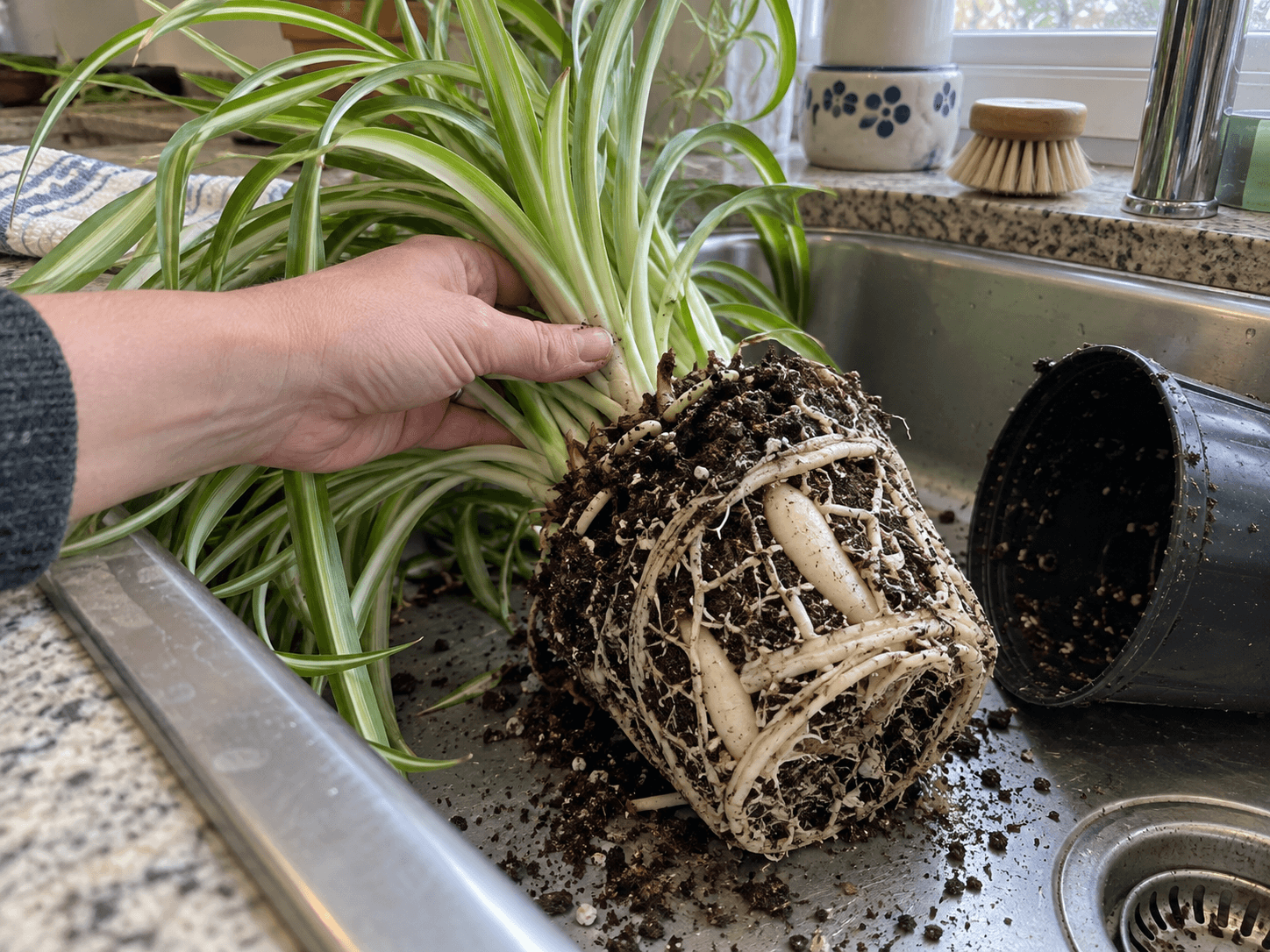
Repot for a reason
Check whether a plant really needs repotting, choose a modest new pot and follow a careful sequence that preserves healthy roots.

149 pieces · Page 6 of 13
Check whether a plant really needs repotting, choose a modest new pot and follow a careful sequence that preserves healthy roots.
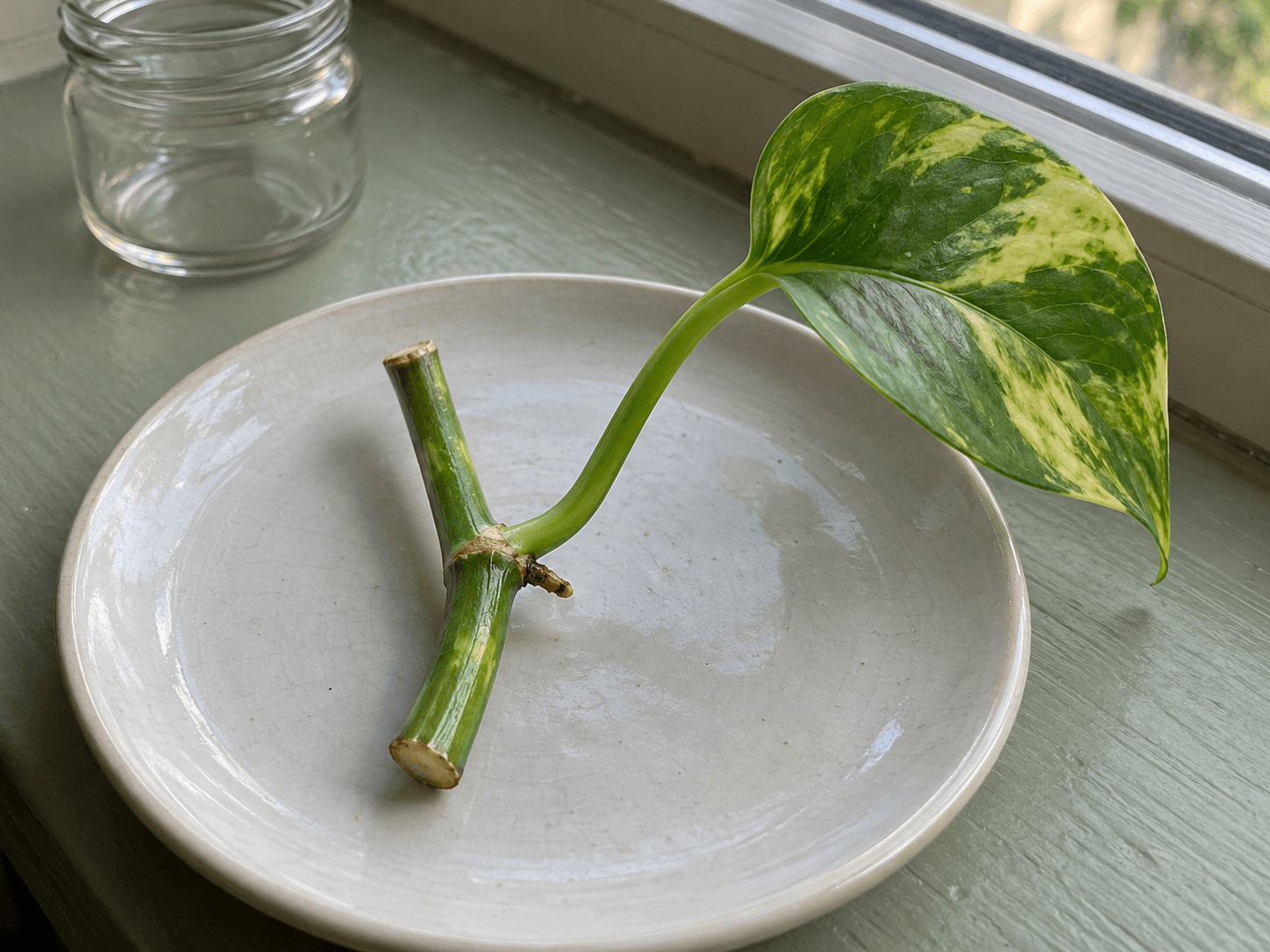
Take a useful pothos cutting, keep leaves out of the rooting water and move an established cutting into a small draining pot.
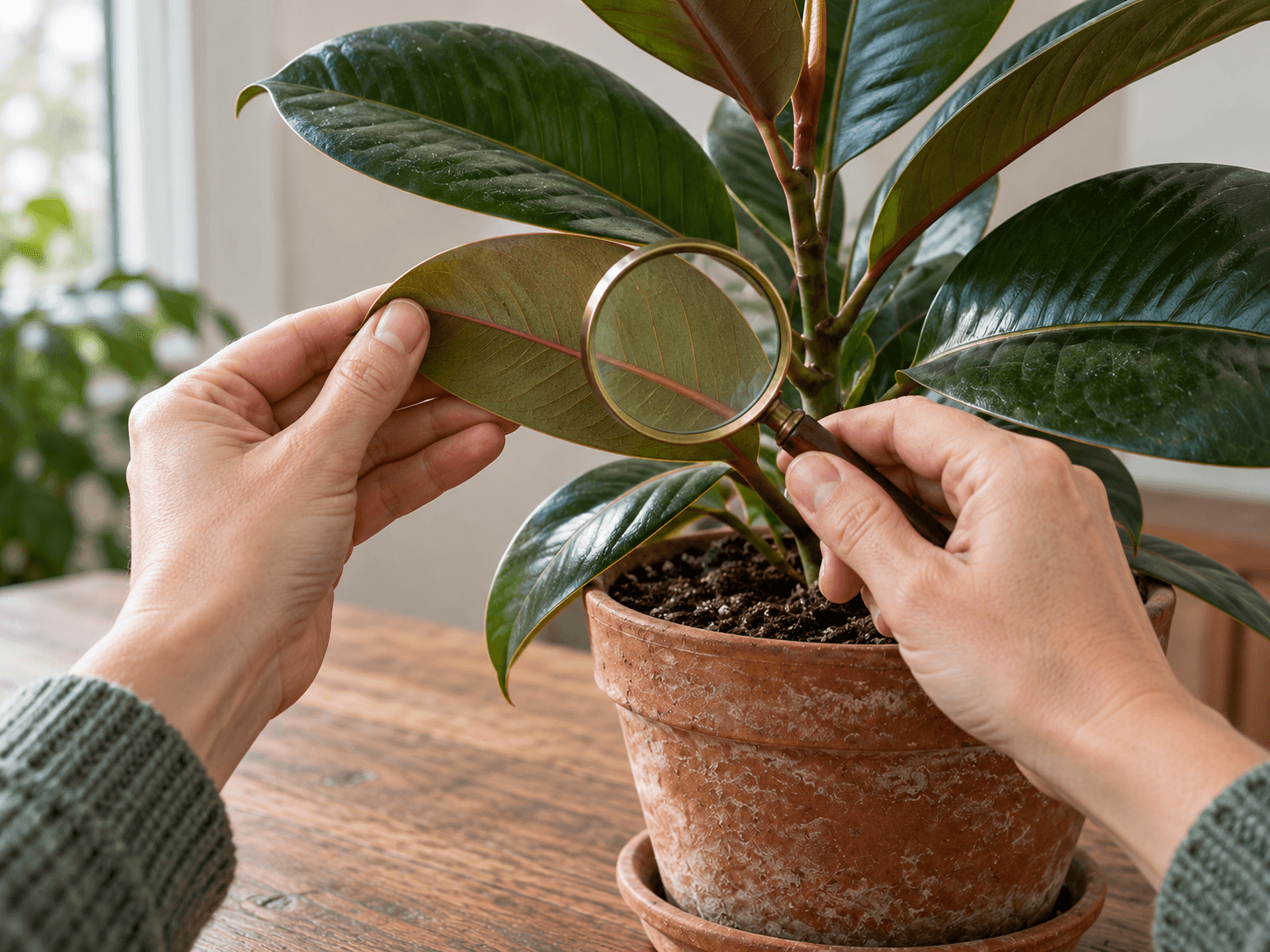
Use leaf position, soil moisture and recent changes to investigate yellowing without assuming every plant has been overwatered.
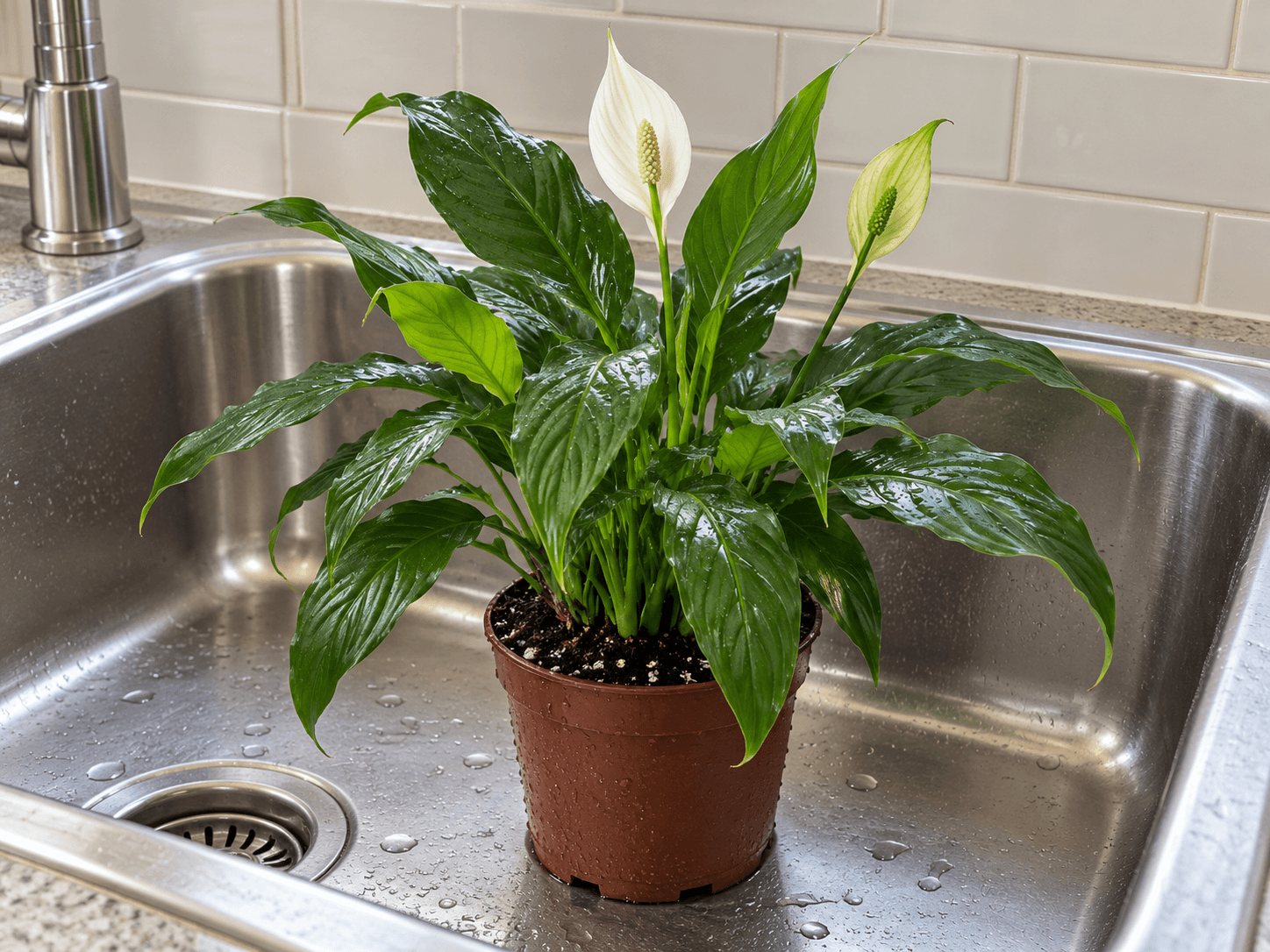
A practical wilt check that starts with the pot and separates a thirsty plant from a plant that cannot use the water it already has.
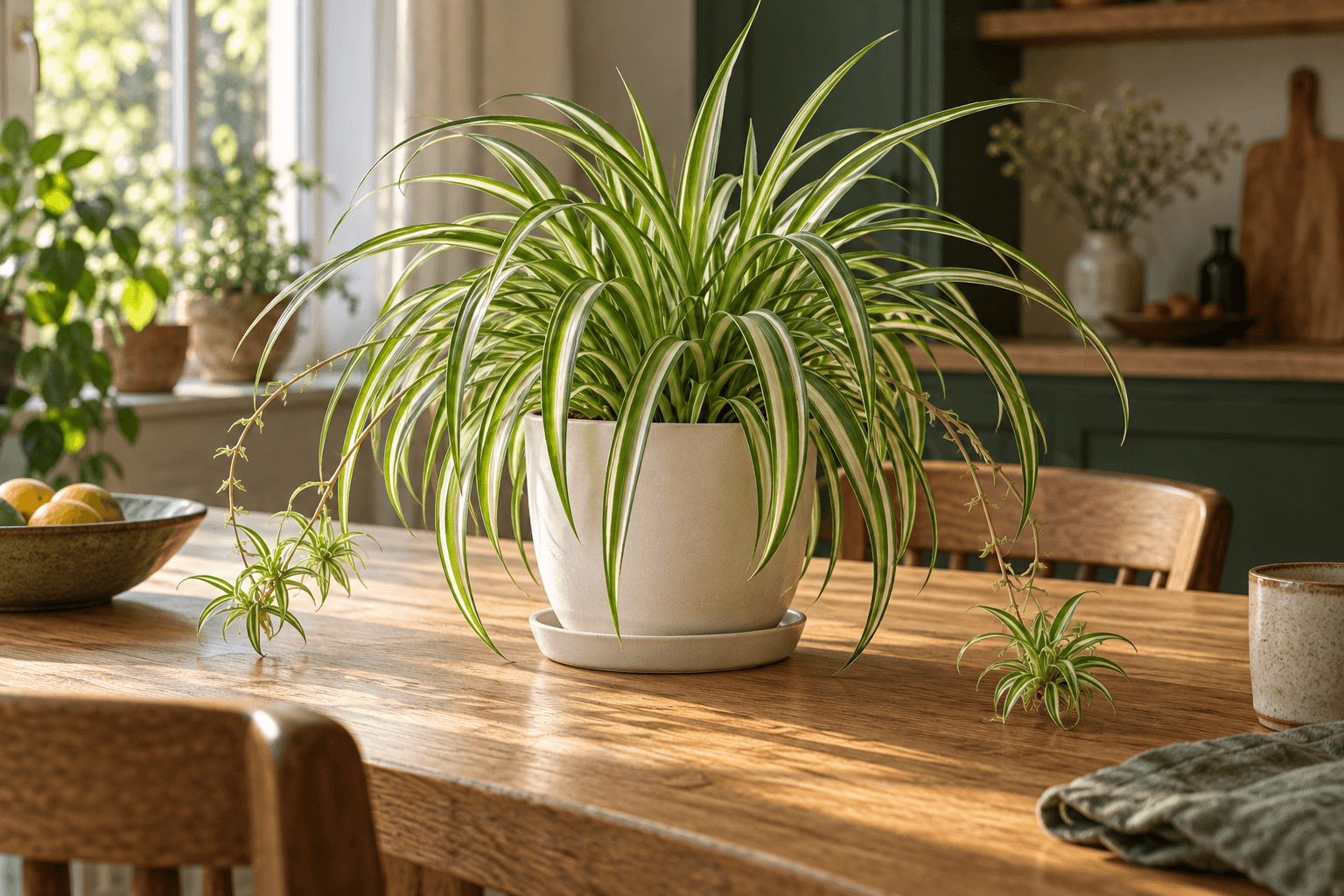
Investigate brown leaf tips without assuming every plant needs misting. Includes a measured way to compare changes and trim cosmetic damage.
Inspect cottony deposits, stippling and webbing, isolate a suspect plant and choose a measured response suitable for Canadian homes.
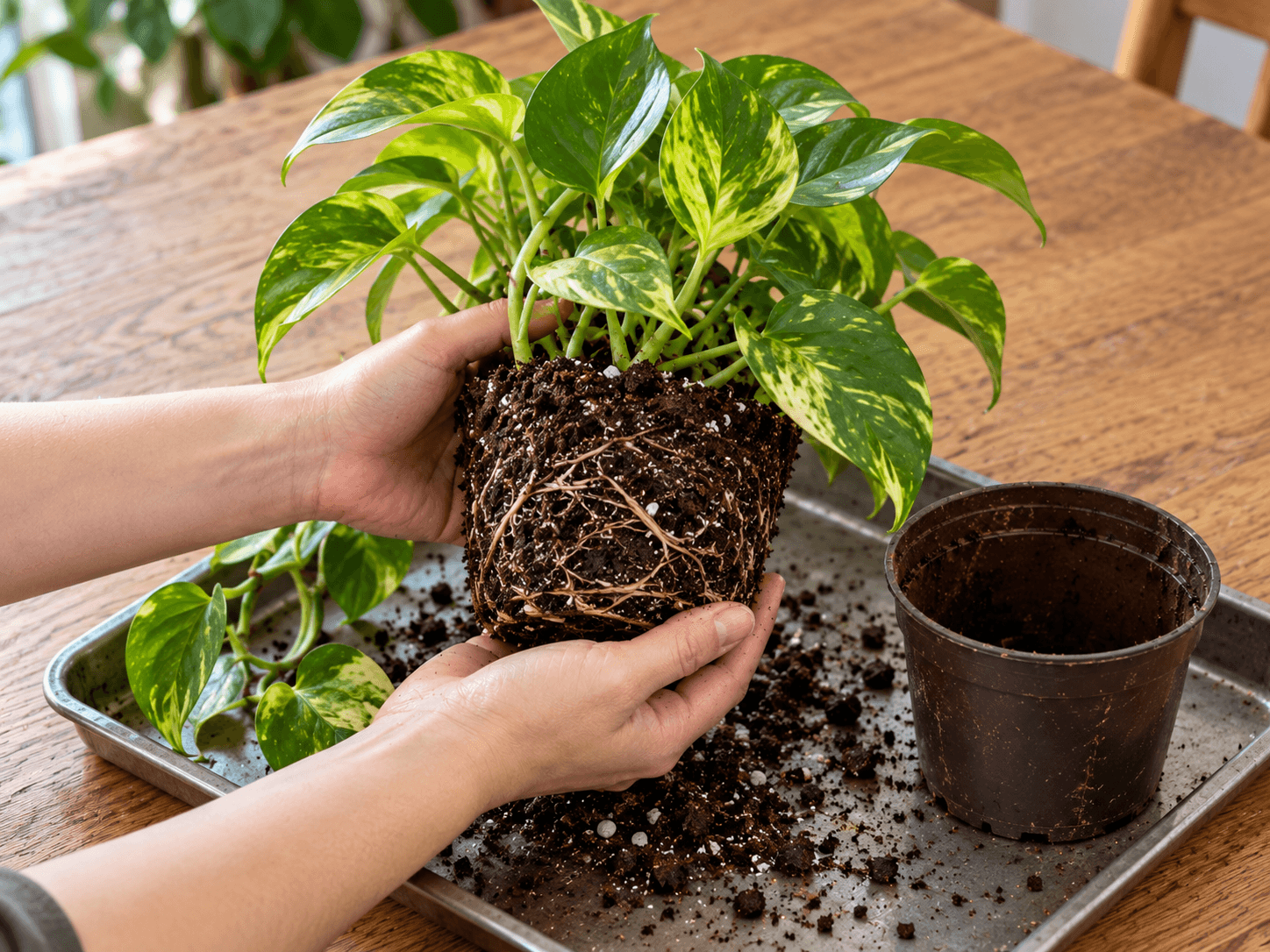
Distinguish fungus gnats from other household flies, reduce persistently wet conditions and understand what sticky traps can and cannot do.
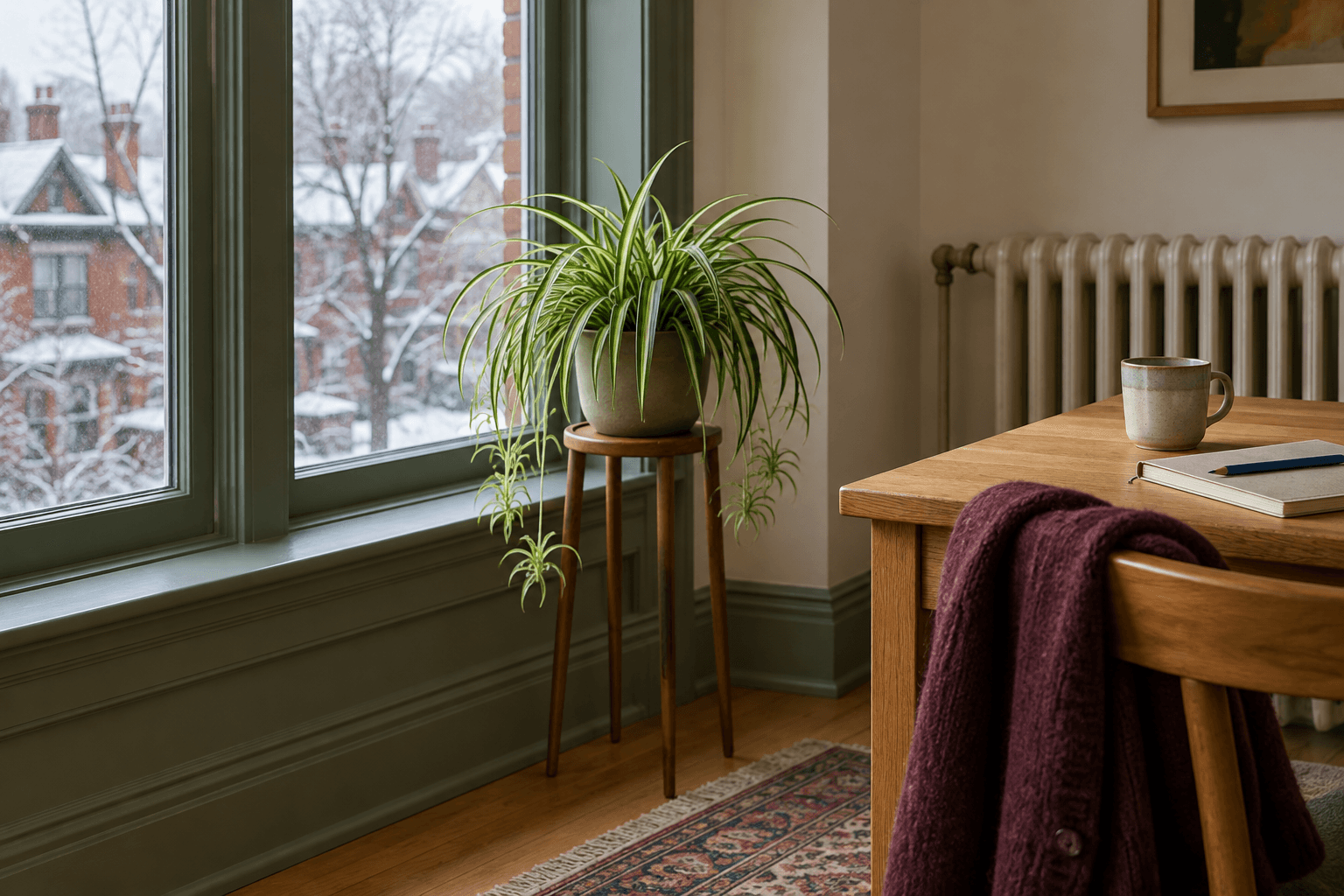
Adjust houseplant care for shorter days, cold windows and indoor heating, without imposing the same winter schedule on every plant.
Understand when fertilizer is useful, account for nutrients already in potting mix and avoid treating yellow leaves with an automatic dose.
Clean broad leaves gently, handle fine fronds carefully and make a short maintenance routine useful without coating foliage in shine products.
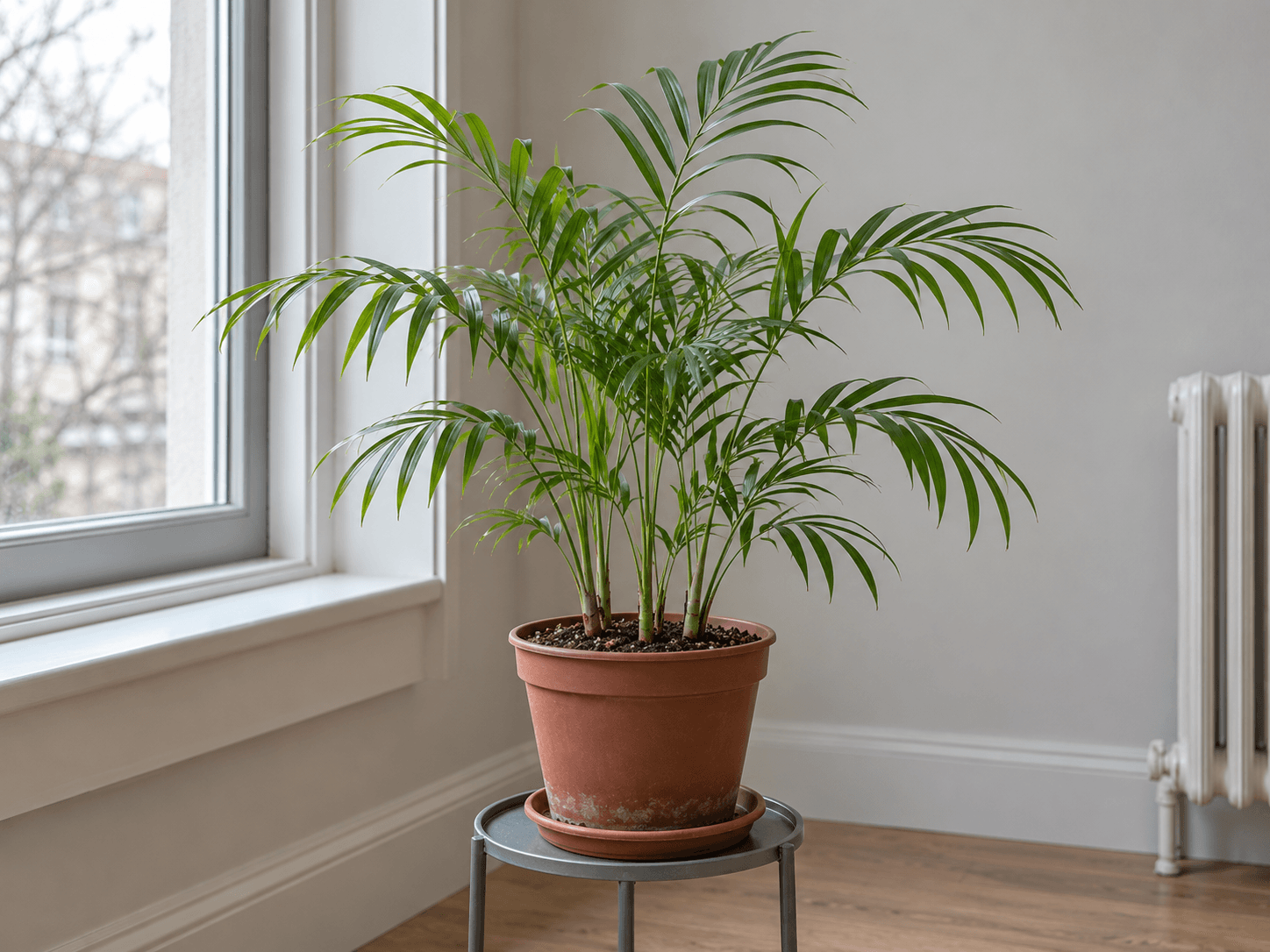
Start with exact botanical names, choose better-suited plants for accessible displays and account for pots, trailing vines and curious pets.
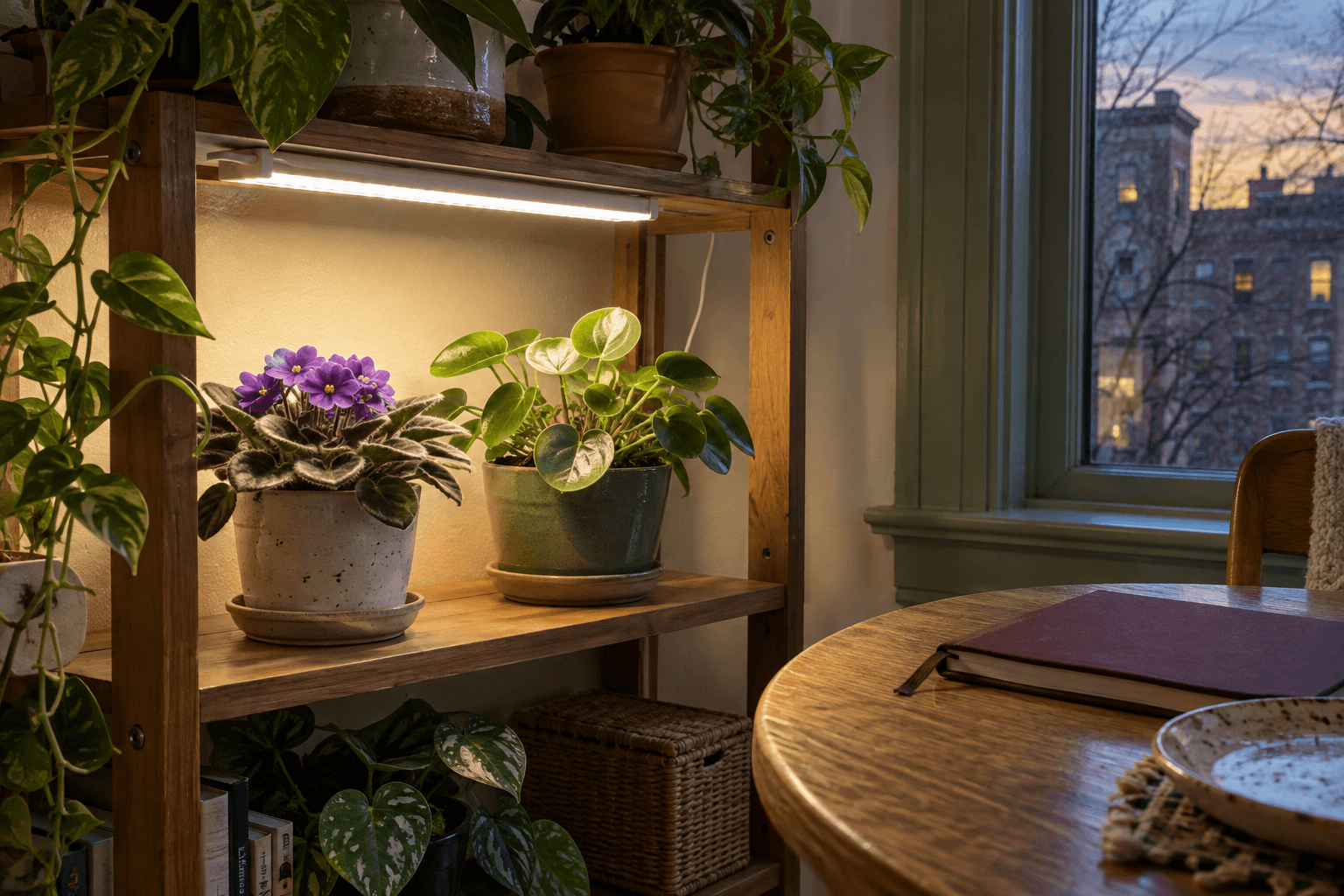
Match a small light to the leaves it must reach, then make the timing and watering routine easy to repeat.
Meet Mara and Jules, the neighbours up and down the hall, in a continuing series about learning to live with plants.
Begin with the windowBrowse all 16 stories