Feed the growth you have
Understand when fertilizer is useful, account for nutrients already in potting mix and avoid treating yellow leaves with an automatic dose.
The short answer
Ask what is limiting the plant
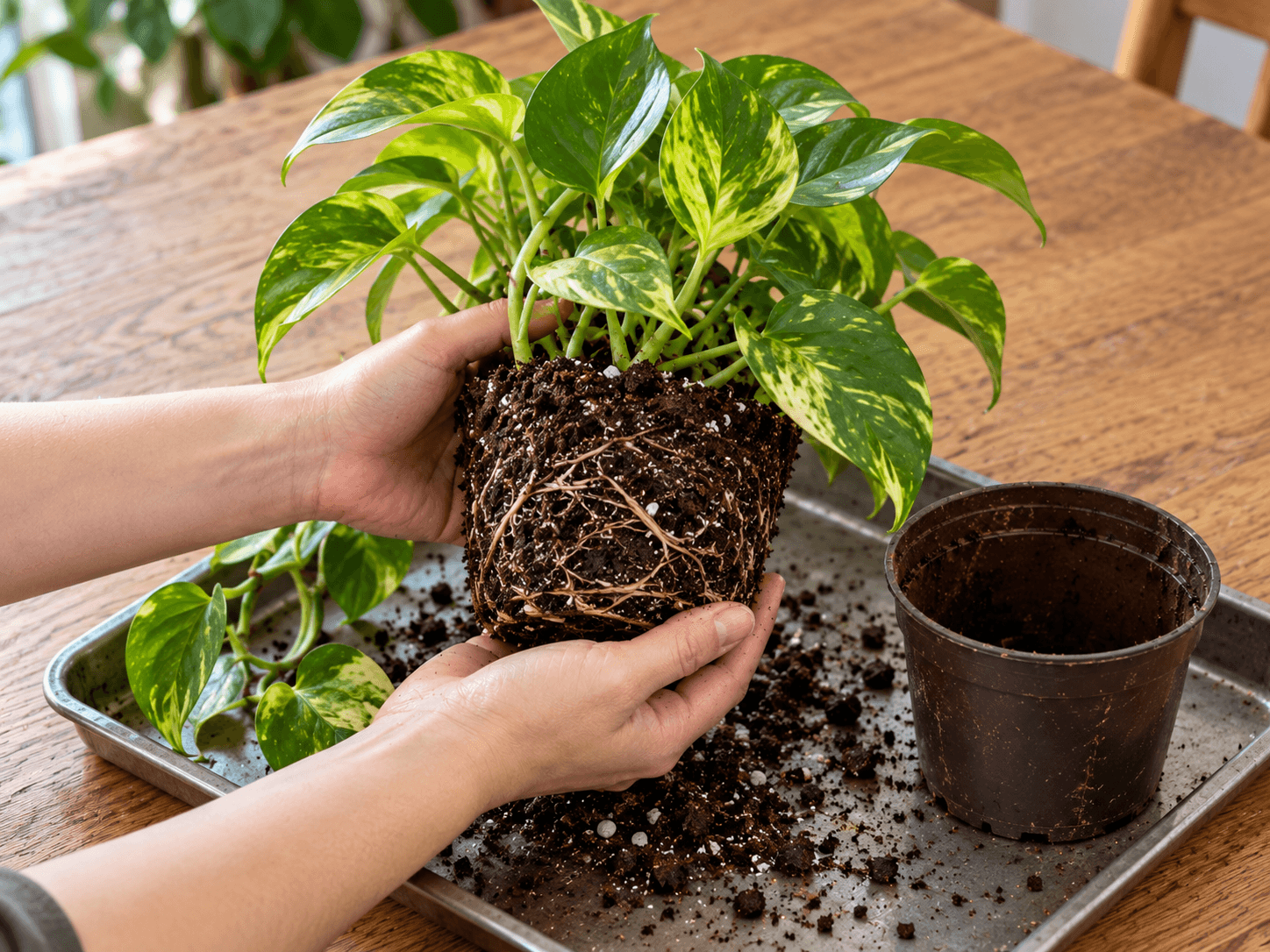
Before feeding, check light, moisture and root condition. A plant in a dark corner cannot turn extra fertilizer into the growth that suitable light would support. A declining plant in wet soil needs investigation, not a larger dose.
Look at the most recent leaves and shoots. Active growth is a more useful cue than a date printed in a generic calendar. A plant under suitable lights may grow through winter, while one at a dim window may slow for months.
Read both the fertilizer and the mix
- Check whether the potting mix contains a fertilizer charge or controlled-release granules.
- Choose a product intended for the plant group and application method.
- Read the concentration, frequency and any seasonal or plant-specific instructions.
- Measure accurately and record the application so it is not repeated by another household member.
Do not combine several products just because each seems mild. Their nutrients add together. An orchid product, a general feed and a tonic should not become an accidental stack of treatments.
More is not more useful
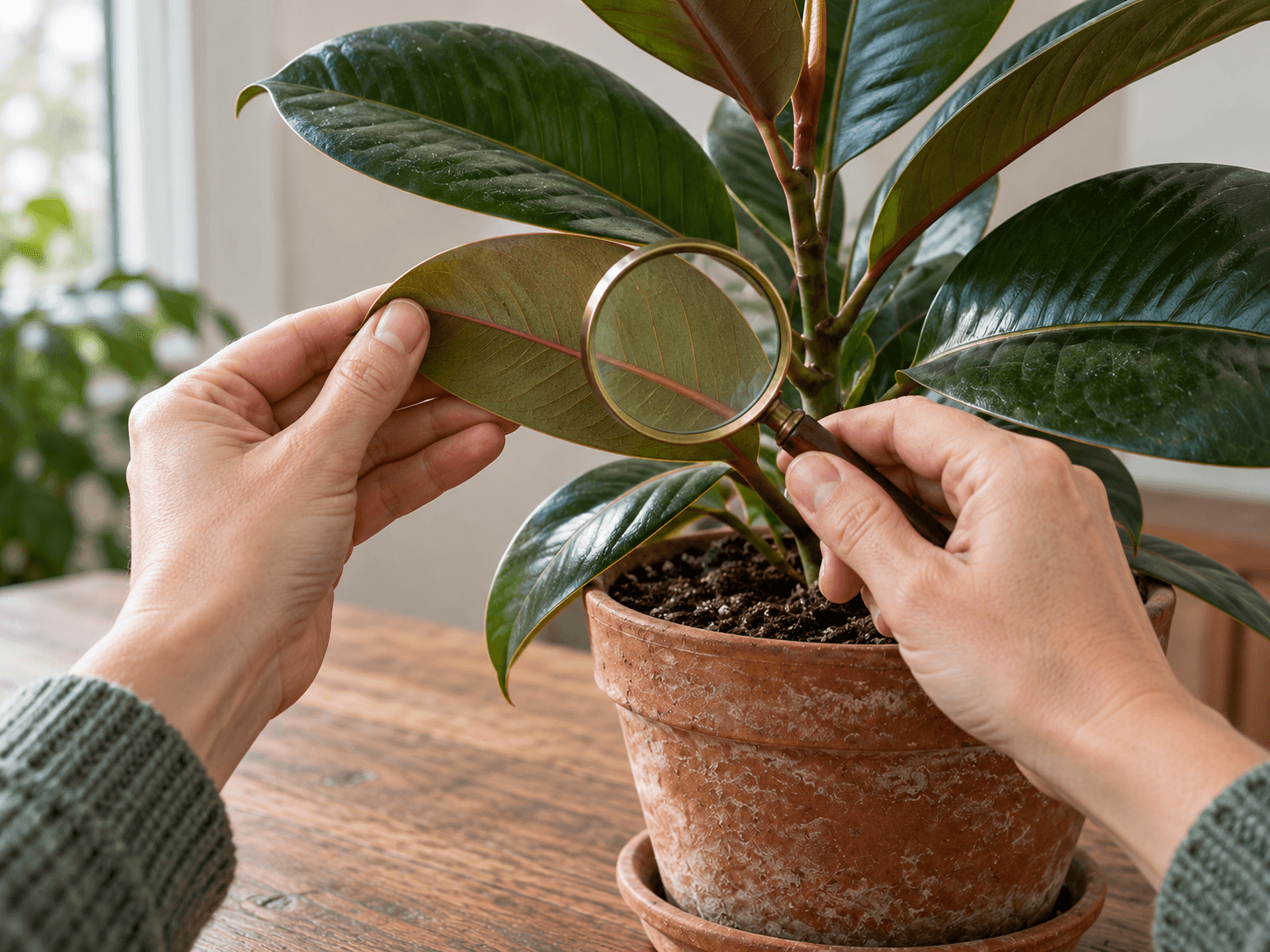
Excess fertilizer salts can damage roots and contribute to brown leaf tips. A crust on the mix or pot rim is worth investigating, although dissolved minerals in water can also leave deposits. Review what has actually been applied before choosing a response.
When appropriate for the plant and medium, watering from the top and allowing runoff can help remove accumulated salts. It requires a draining pot and a root system able to tolerate the watering. It is not a reason to repeatedly saturate an already waterlogged plant.
| Situation | Better next step |
|---|---|
| Healthy new growth; no recent feed | Check the product and species directions. |
| Recently repotted in fertilized mix | Read the bag and wait as appropriate. |
| Yellowing or wilt with wet roots | Investigate moisture and root health. |
| Slow winter growth in dim light | Reduce or pause feeding; review light. |
Look for steady growth
A useful response is healthy development over time, not a sudden dramatic transformation. Keep conditions reasonably stable so you can tell what changed. Existing brown tips or yellow leaves generally will not reverse because you fed the plant.
For a small collection, a simple note on the bottle or calendar can prevent duplication. Keep products in their original containers and out of reach of children and pets. Buying a more complicated feed is rarely the first answer to a problem you have not identified.
Find a related guide below.
Back to the beginningSources & notes
Care guidance checked against these horticultural references on 20 October 2026.
- NC State Extension: Plants grown in containersContainer materials, potting media, nutrition and indoor care.
- Royal Horticultural Society: Growing houseplantsIndoor conditions, seasonal care, humidity and holiday planning.
- University of Maryland Extension: Diagnose indoor plant problemsOverlapping causes of wilt, yellowing, poor growth and root damage.
- NC State Extension: SpathiphyllumGenus-level identification, moisture, flowering and calcium oxalates.