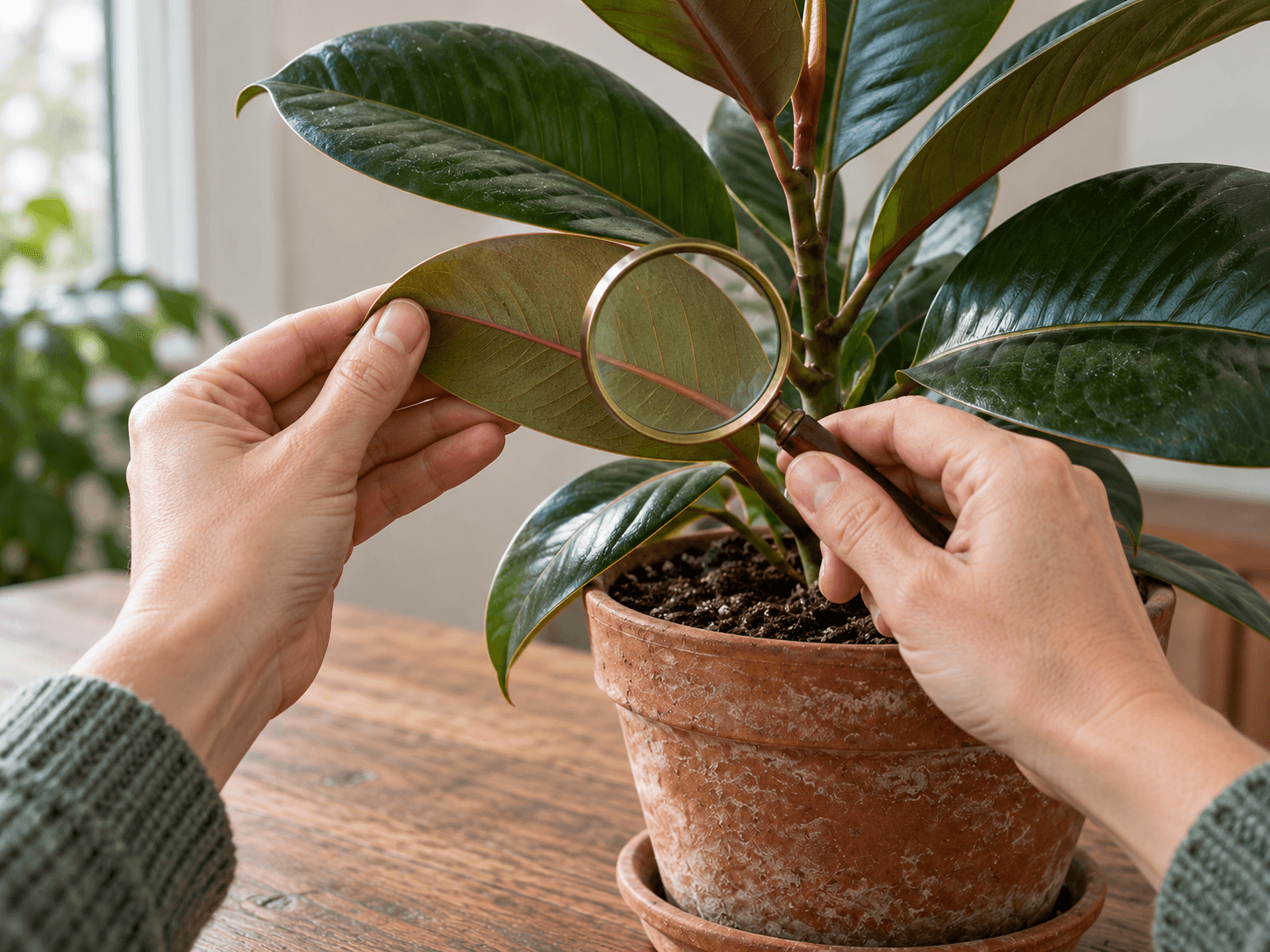
One yellow leaf. Several possibilities.
Use leaf position, soil moisture and recent changes to investigate yellowing without assuming every plant has been overwatered.

Work through yellow leaves, drooping and pests without jumping to a diagnosis.
20 pieces · Page 1 of 2
Use leaf position, soil moisture and recent changes to investigate yellowing without assuming every plant has been overwatered.
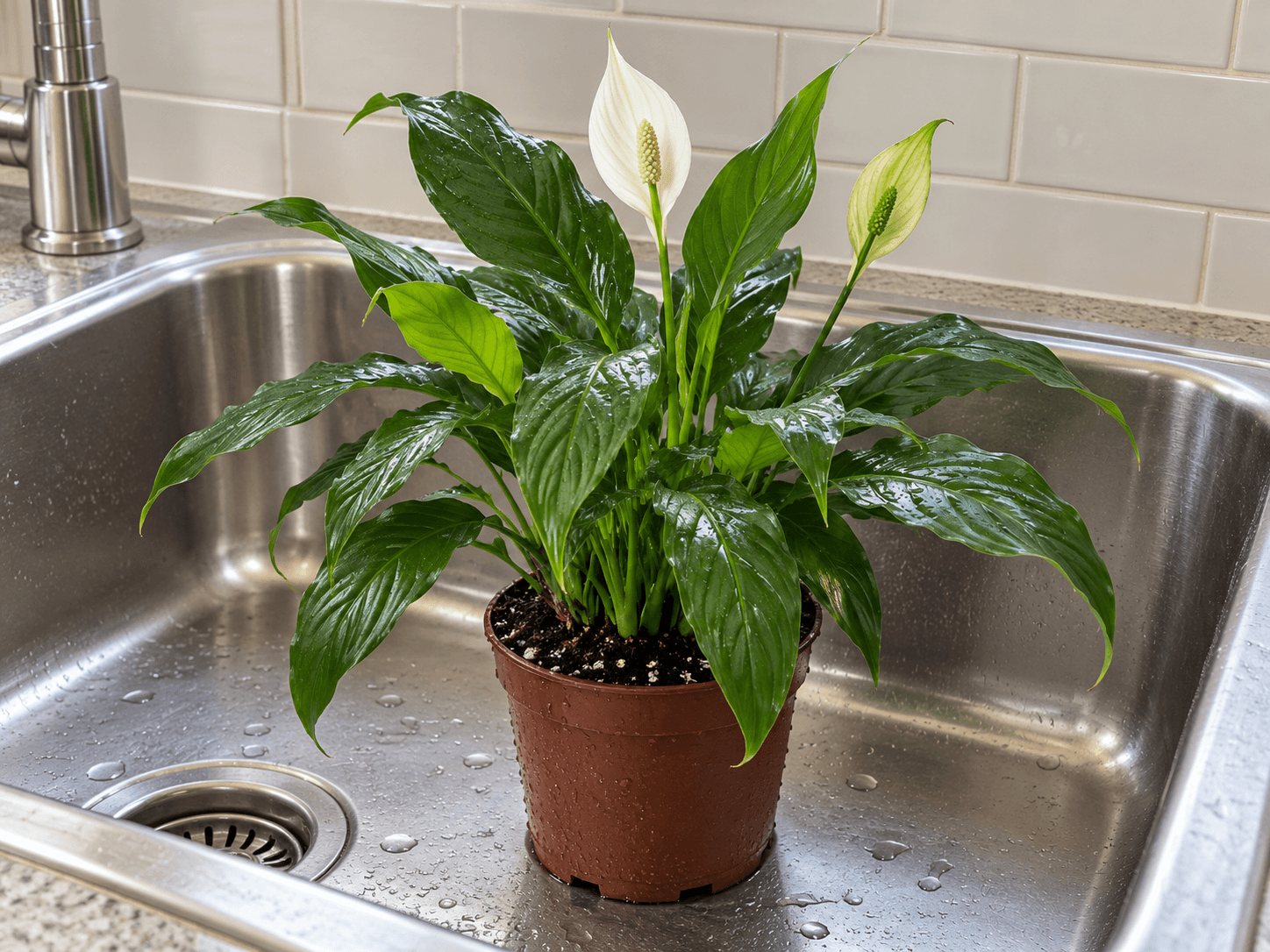
A practical wilt check that starts with the pot and separates a thirsty plant from a plant that cannot use the water it already has.
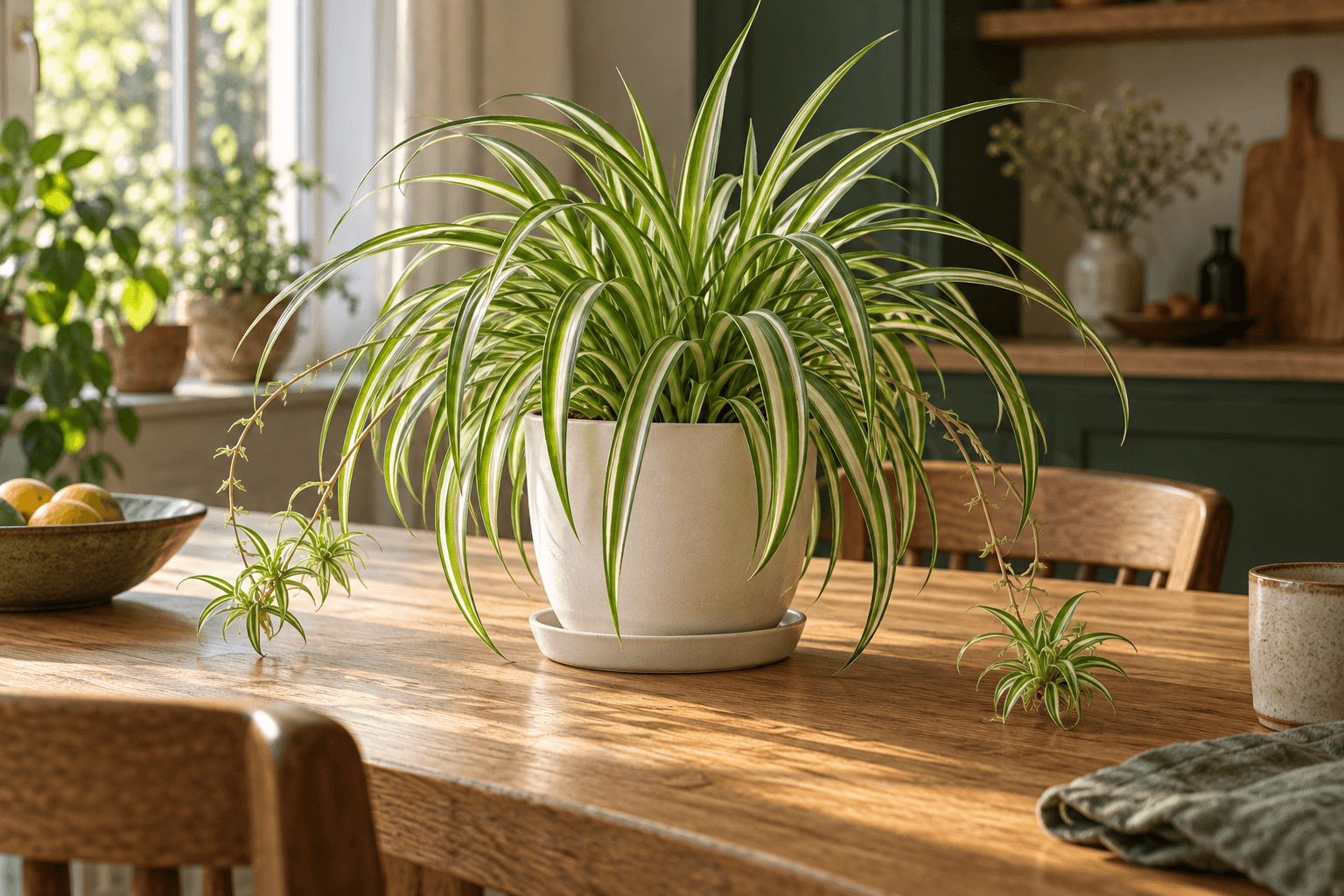
Investigate brown leaf tips without assuming every plant needs misting. Includes a measured way to compare changes and trim cosmetic damage.
Inspect cottony deposits, stippling and webbing, isolate a suspect plant and choose a measured response suitable for Canadian homes.
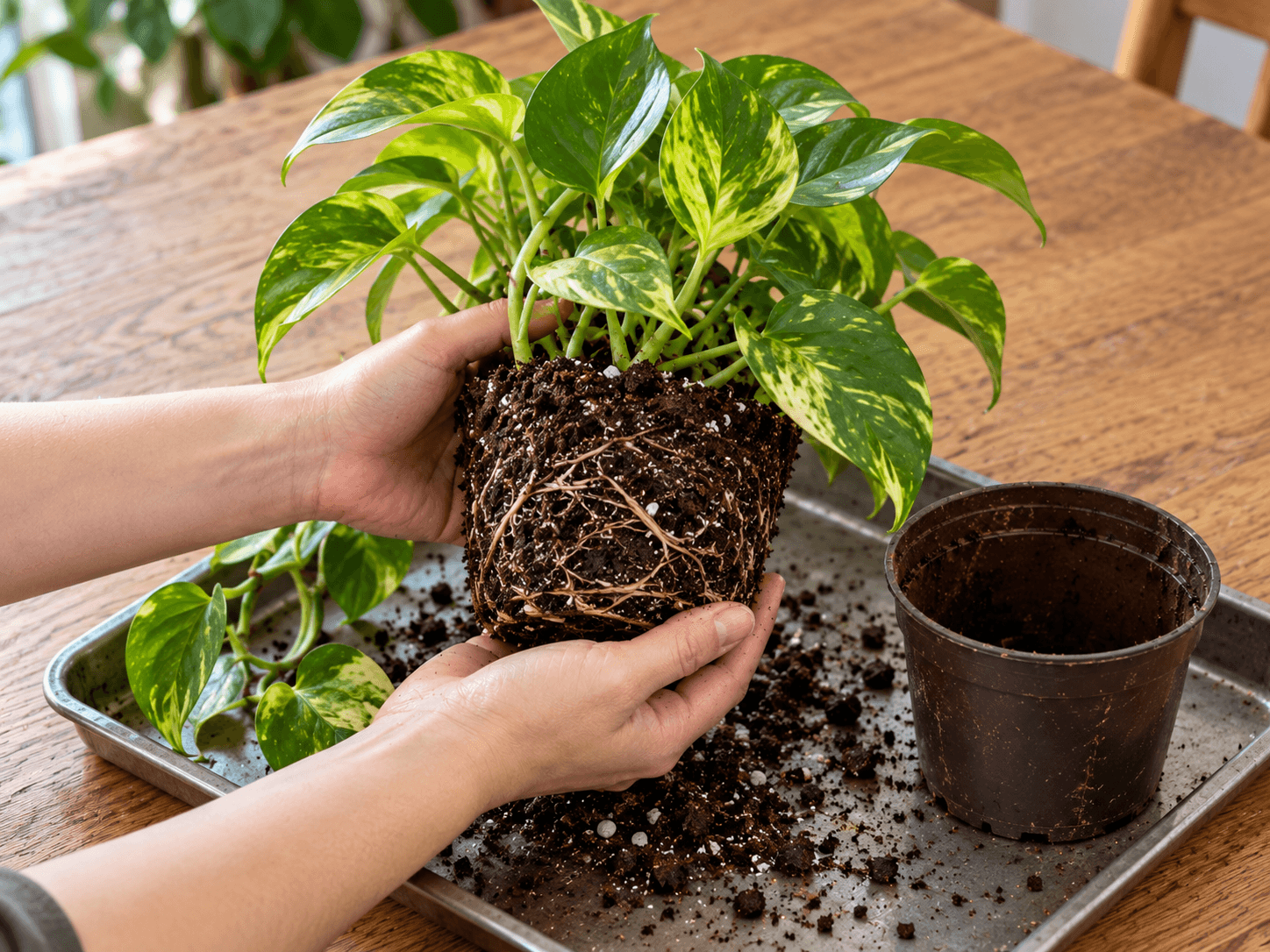
Distinguish fungus gnats from other household flies, reduce persistently wet conditions and understand what sticky traps can and cannot do.
Set up an observation spot, check the pot and learn what arrived before rearranging the whole collection.
A wilted plant in wet mix needs a closer look. Assess roots and drainage before adding another treatment.
Check stems and leaf undersides for persistent bumps, and use documented photographs before treating the plant.
Silvery scarring and distorted growth deserve an inspection. Find the insect before choosing the treatment.
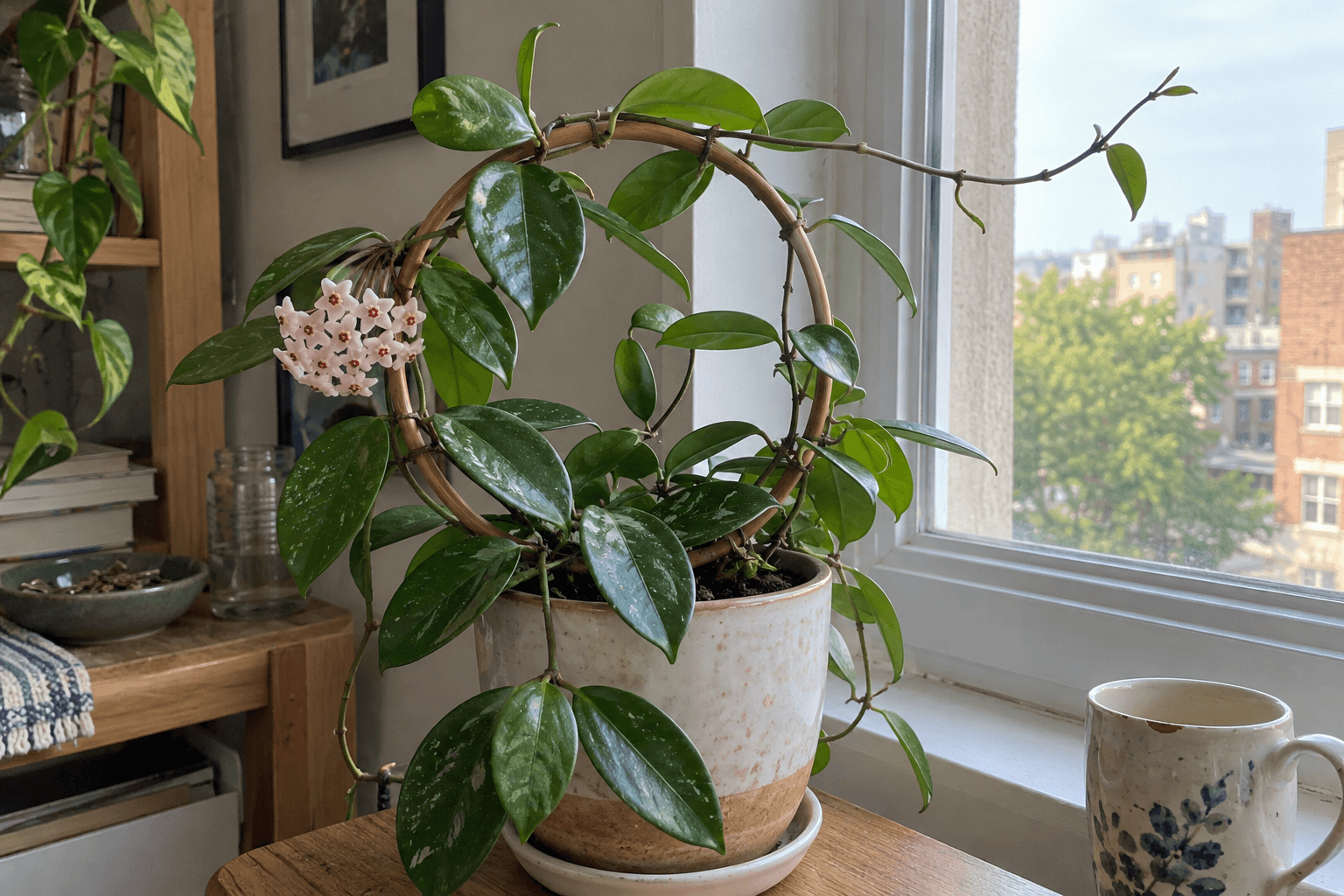
A tacky leaf or shelf can reveal a pest you have not seen yet. Start above the mark and follow the evidence.
Surface growth can point to persistently damp conditions. Distinguish it from mineral crust and insects before acting.
A small fruiting body can arrive without warning. Protect curious hands and paws while checking the growing conditions.