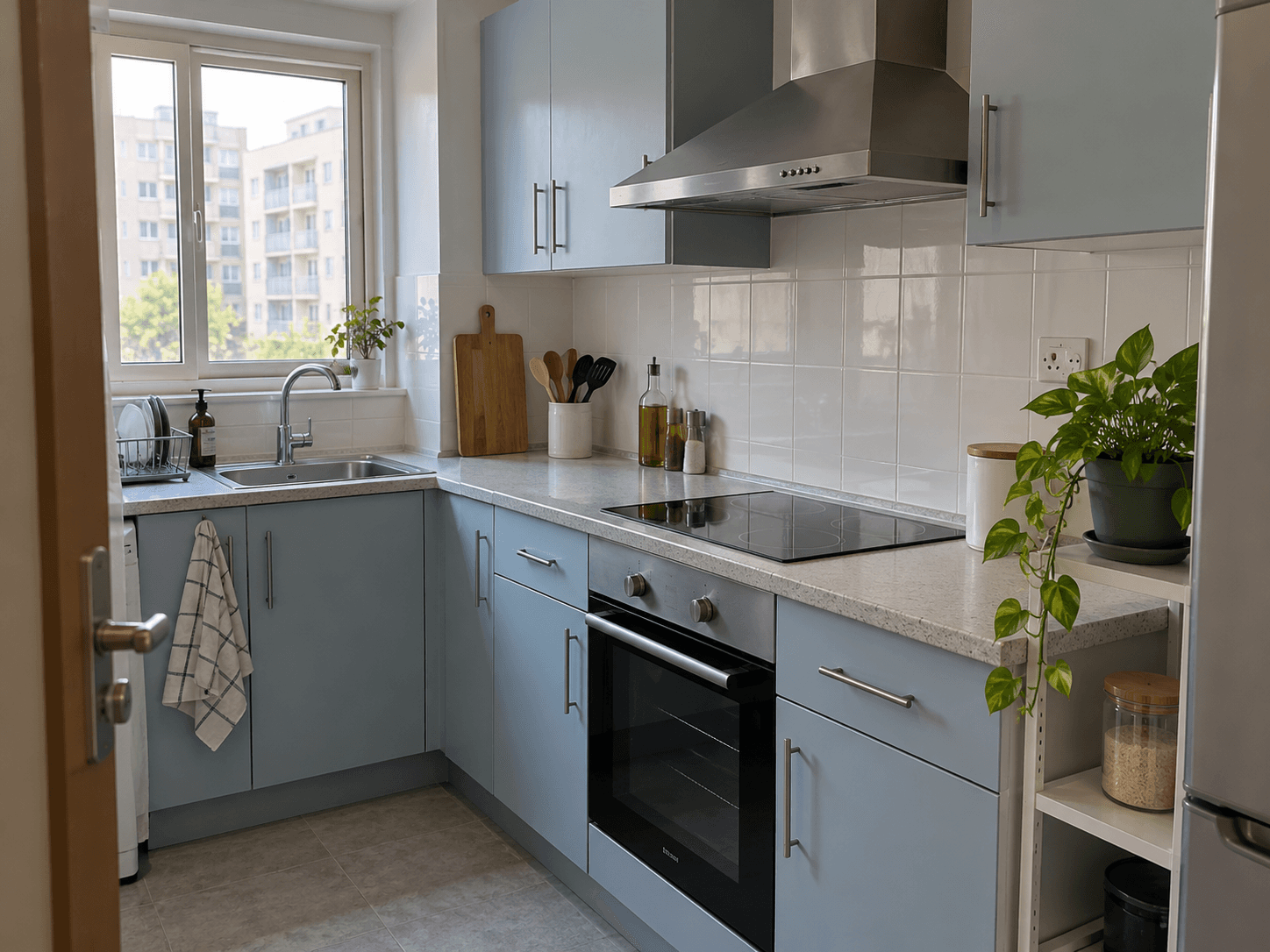
Choose the plant for the plant
Laboratory pollutant removal does not make a few pots a room air cleaner. Separate a plant purchase from the work of improving household air.

149 pieces · Page 11 of 13
Laboratory pollutant removal does not make a few pots a room air cleaner. Separate a plant purchase from the work of improving household air.
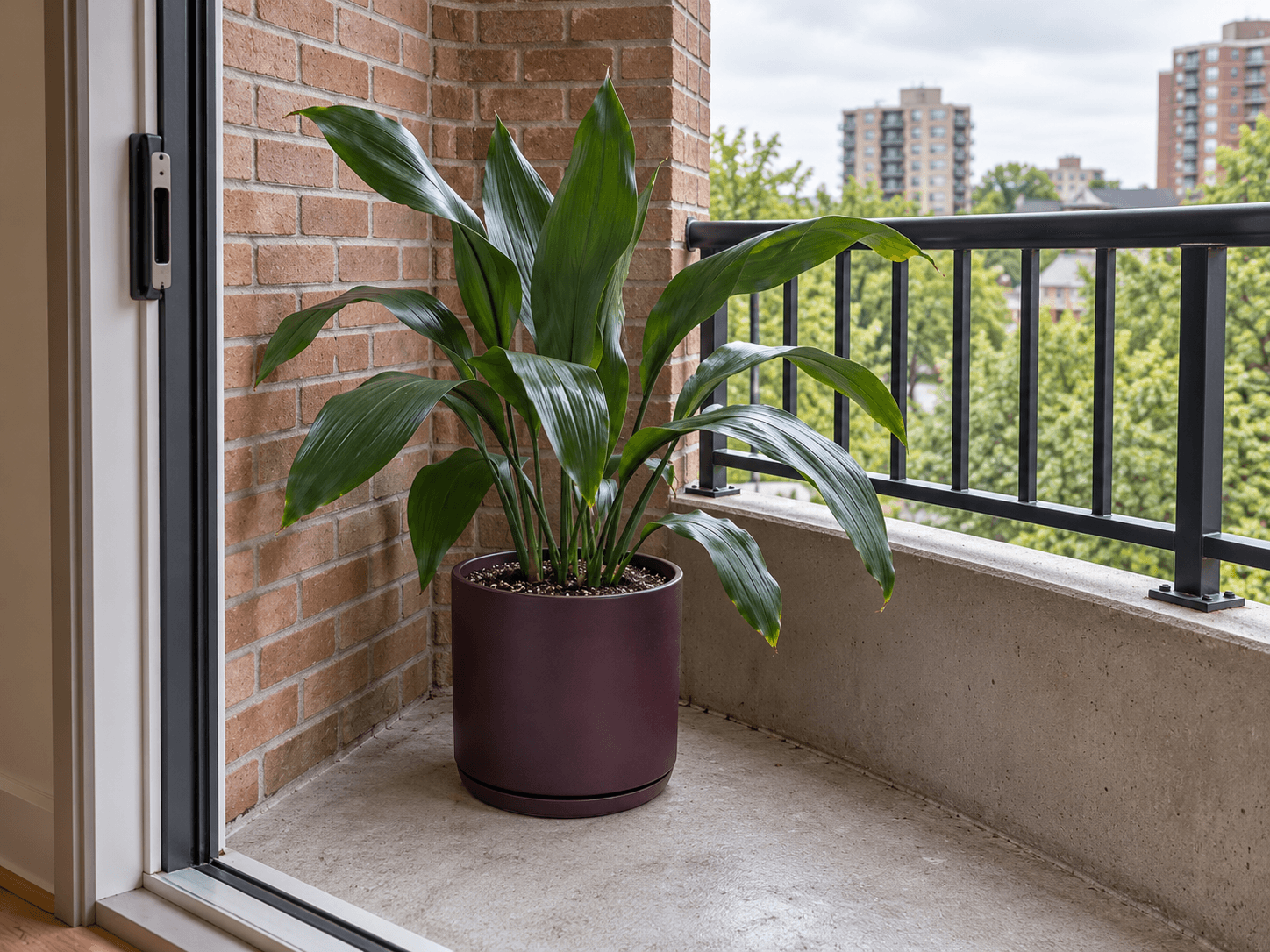
A warm balcony can still be too exposed. Check what happens at pot and leaf height before moving an indoor plant outside.
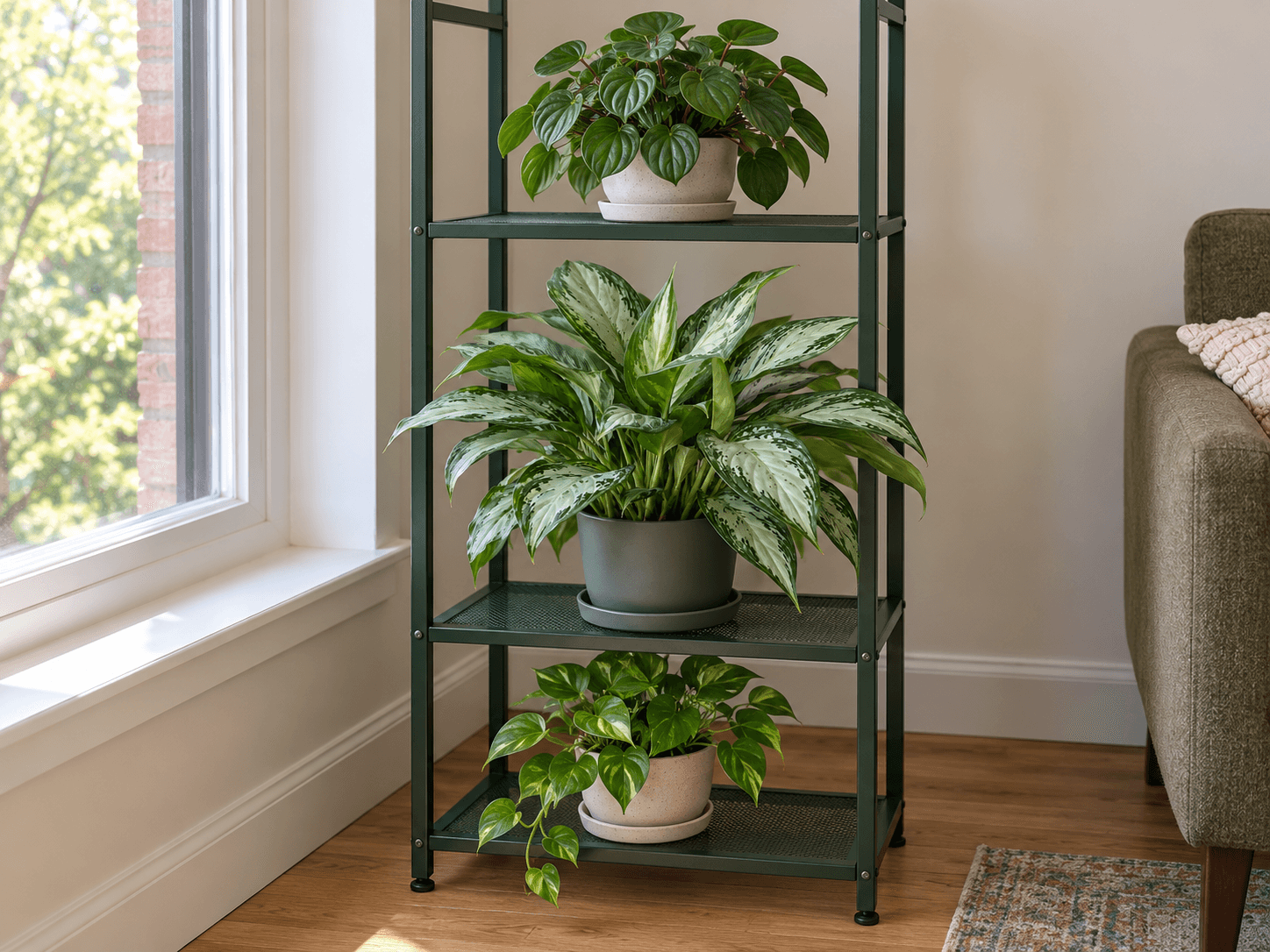
A useful plant shelf needs more than enough space for the pots. Leave light, leaf room and a clear path for everyday care.
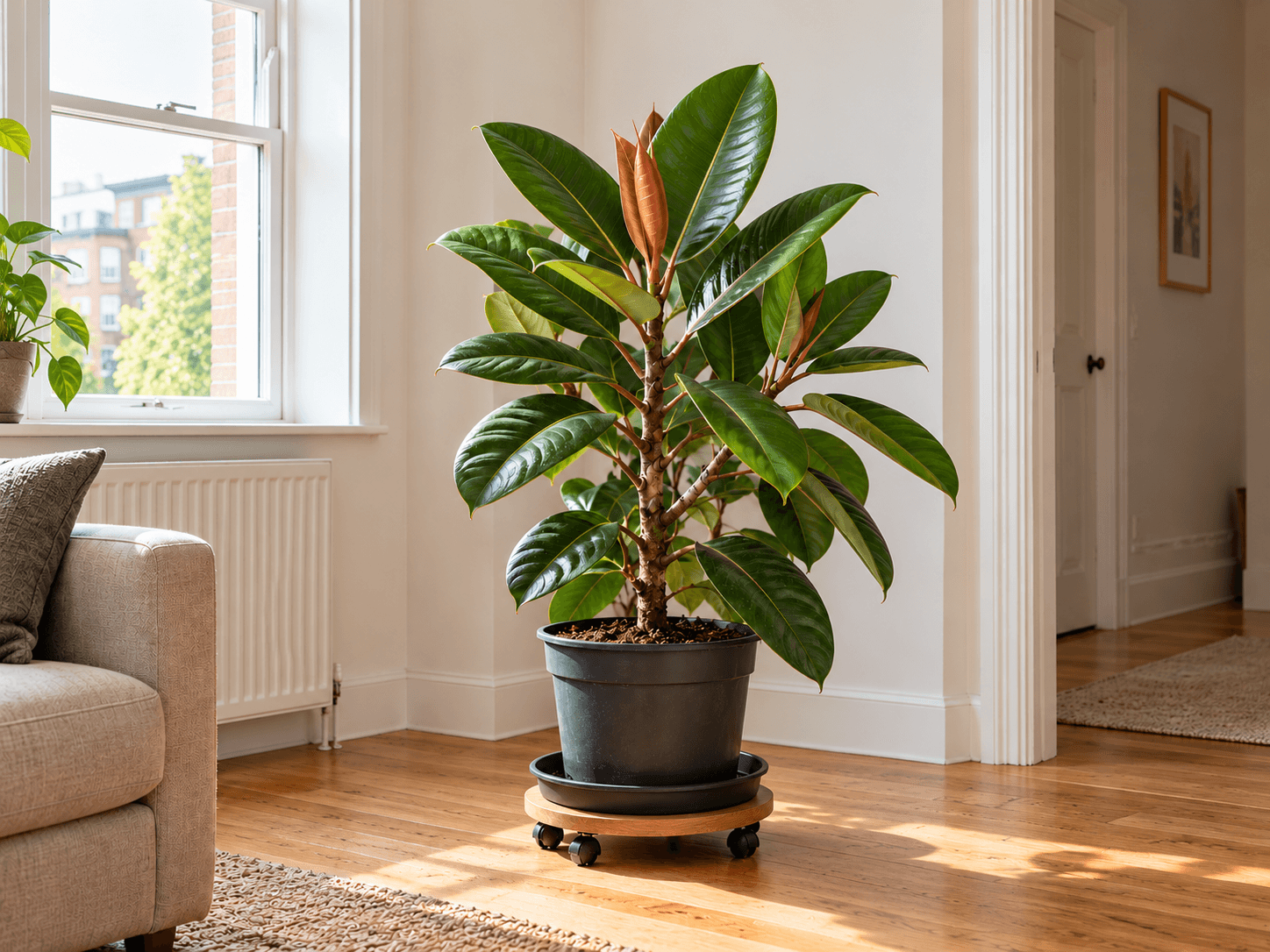
Check the mature spread, the carrying route and the runoff before a floor plant becomes part of the furniture.
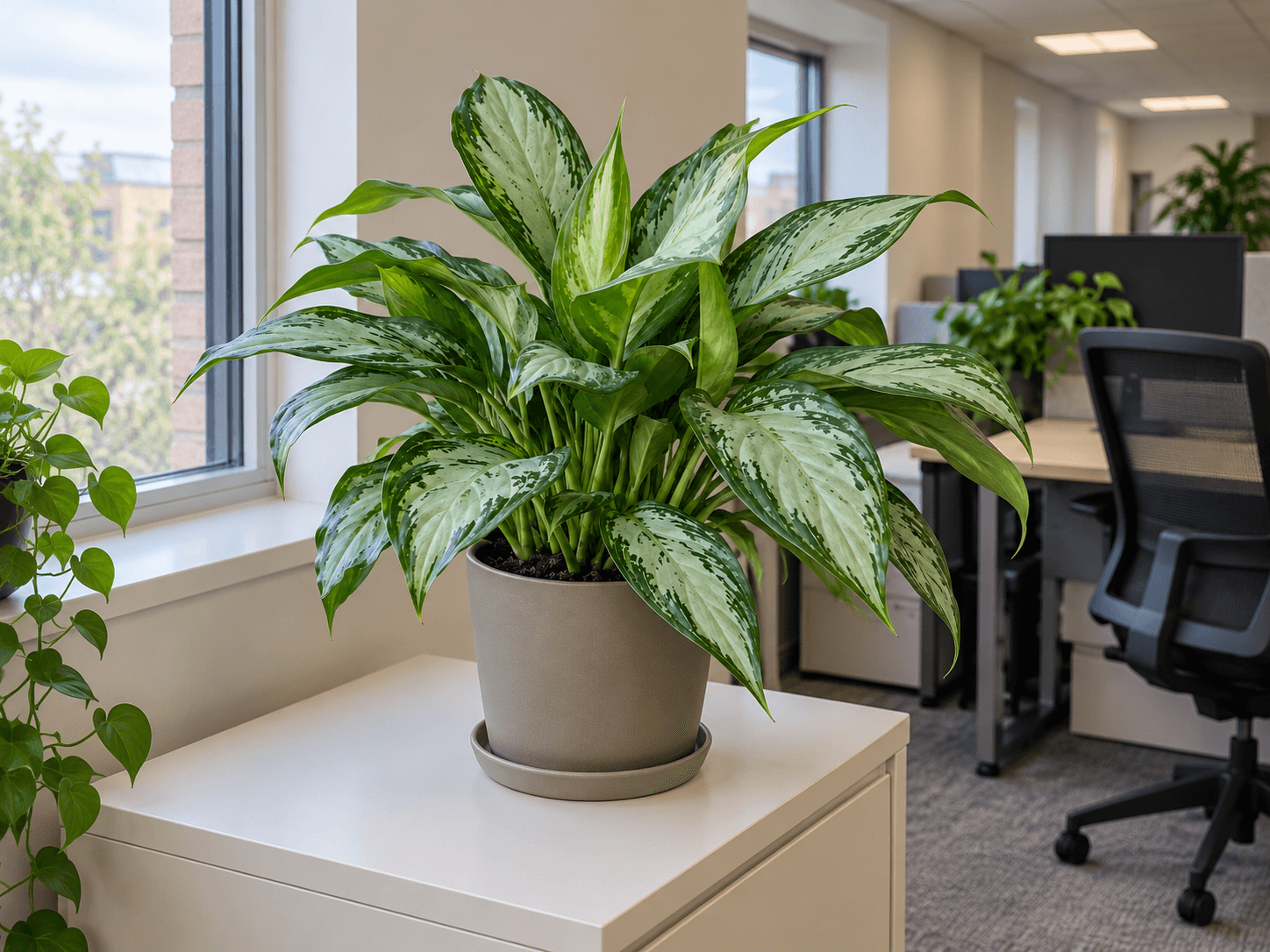
Choose a responsible person, a backup and a short record of what happened. Shared care works better when a wet pot does not get watered twice.
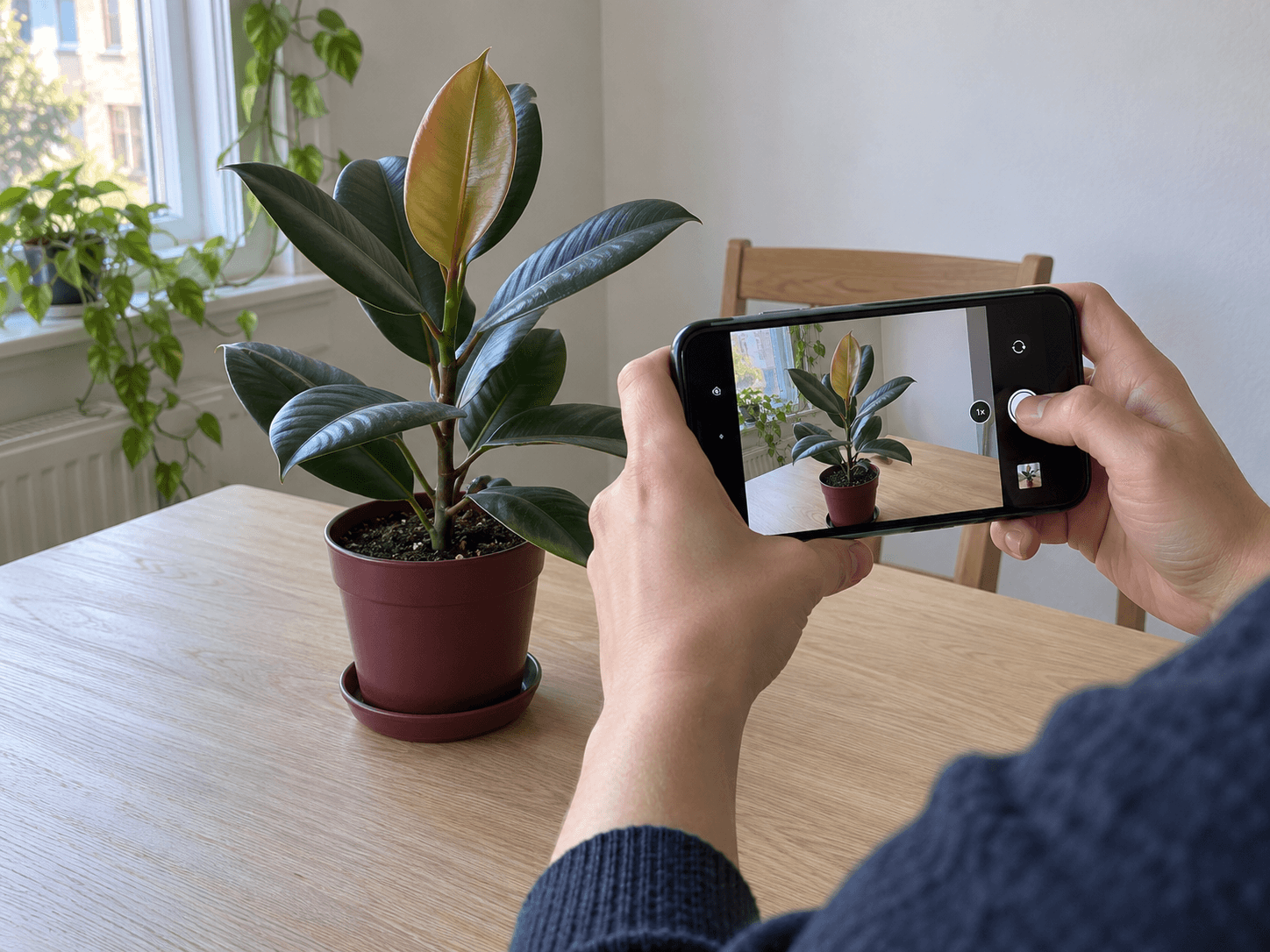
Record what you saw and what you did, with enough context to understand a change later. A few clear entries beat a complicated tracking system.
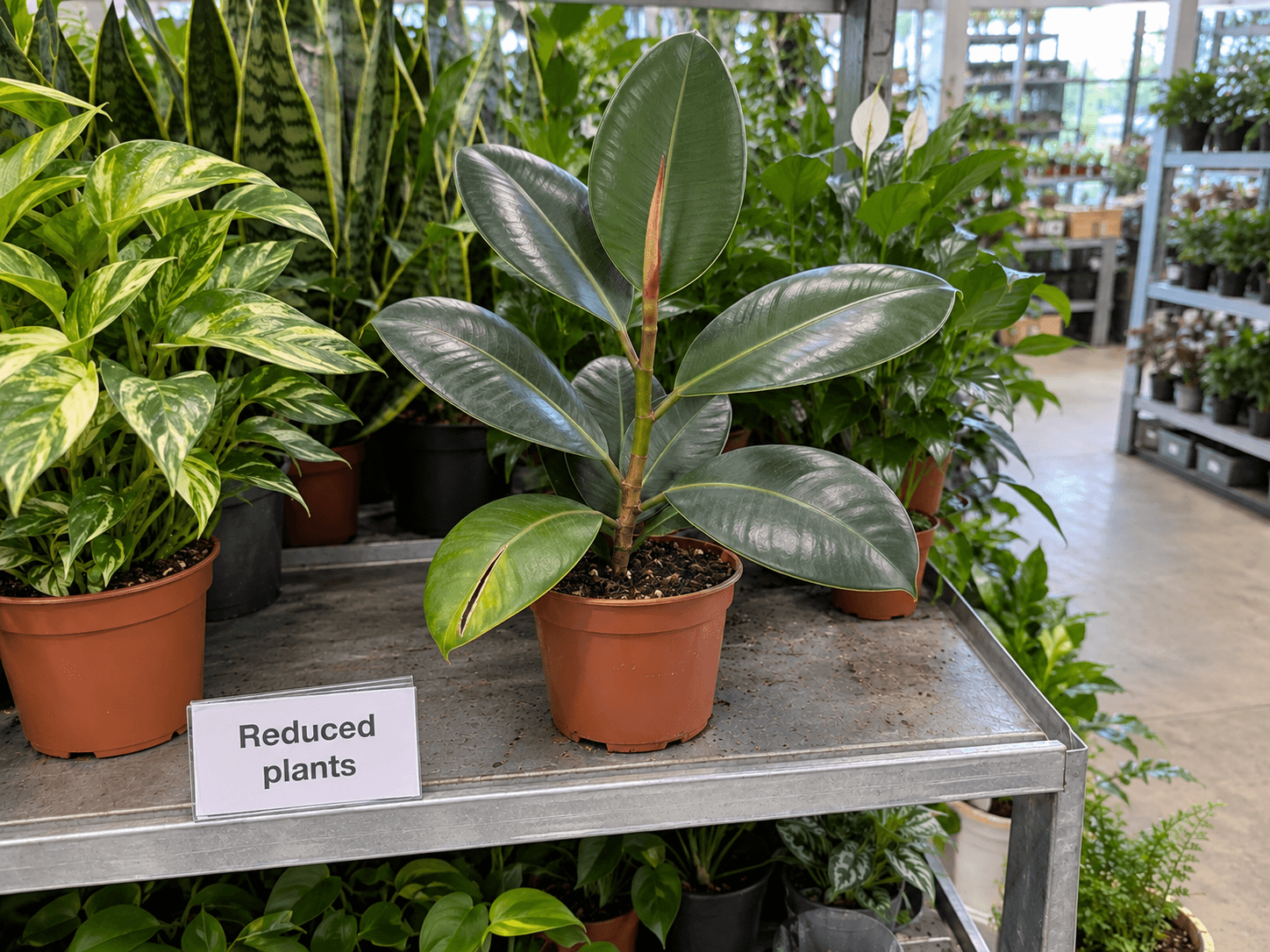
A torn leaf can be a reasonable compromise. An unknown problem needs a closer look, a suitable home and an honest estimate of the care involved.
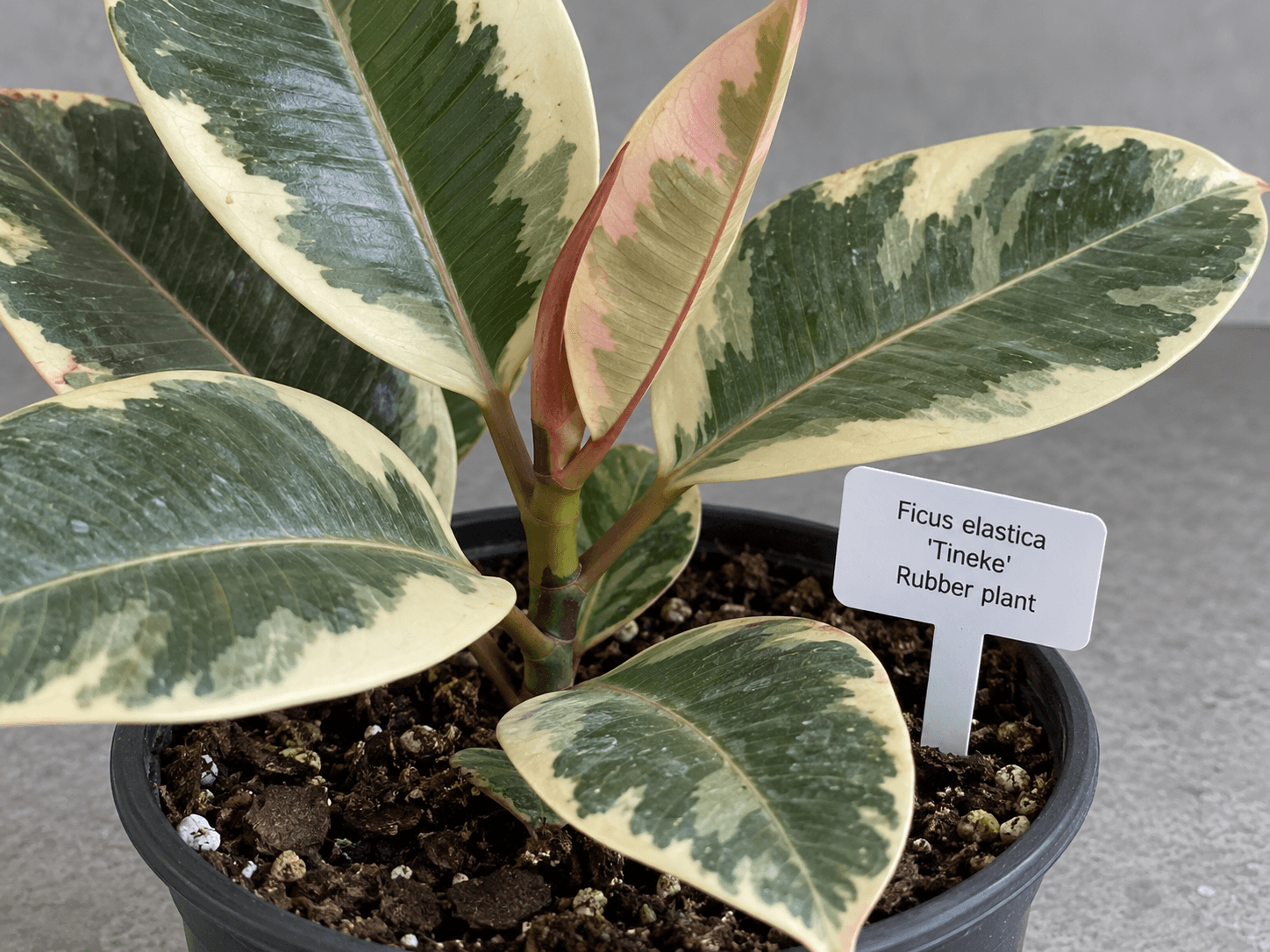
Read the sun, water drop and thermometer symbols on a houseplant label. Learn what to check at home and which plant name to save.
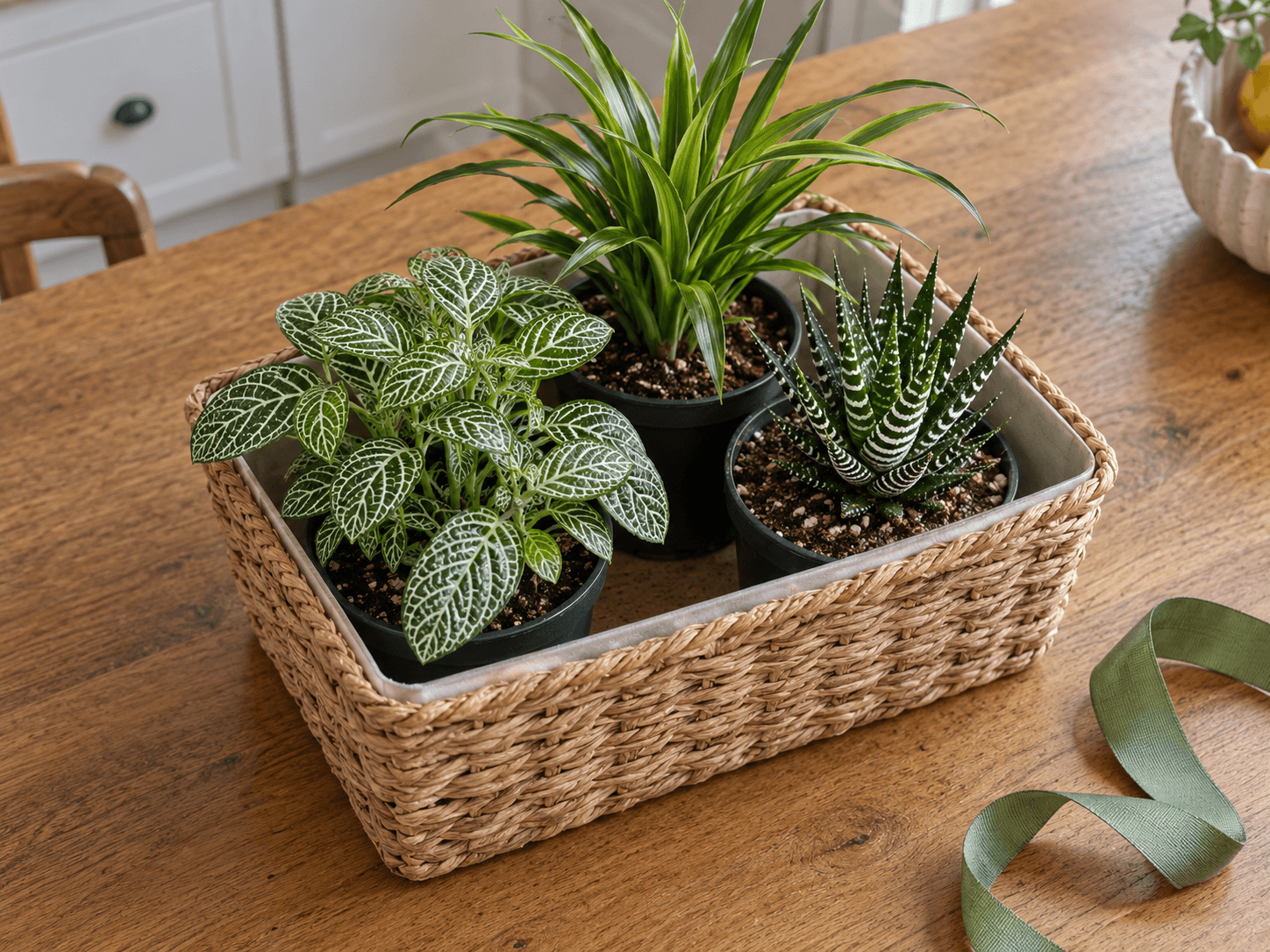
Find out whether the plants share a root space or only a decorative basket. That distinction makes the next watering much easier to get right.
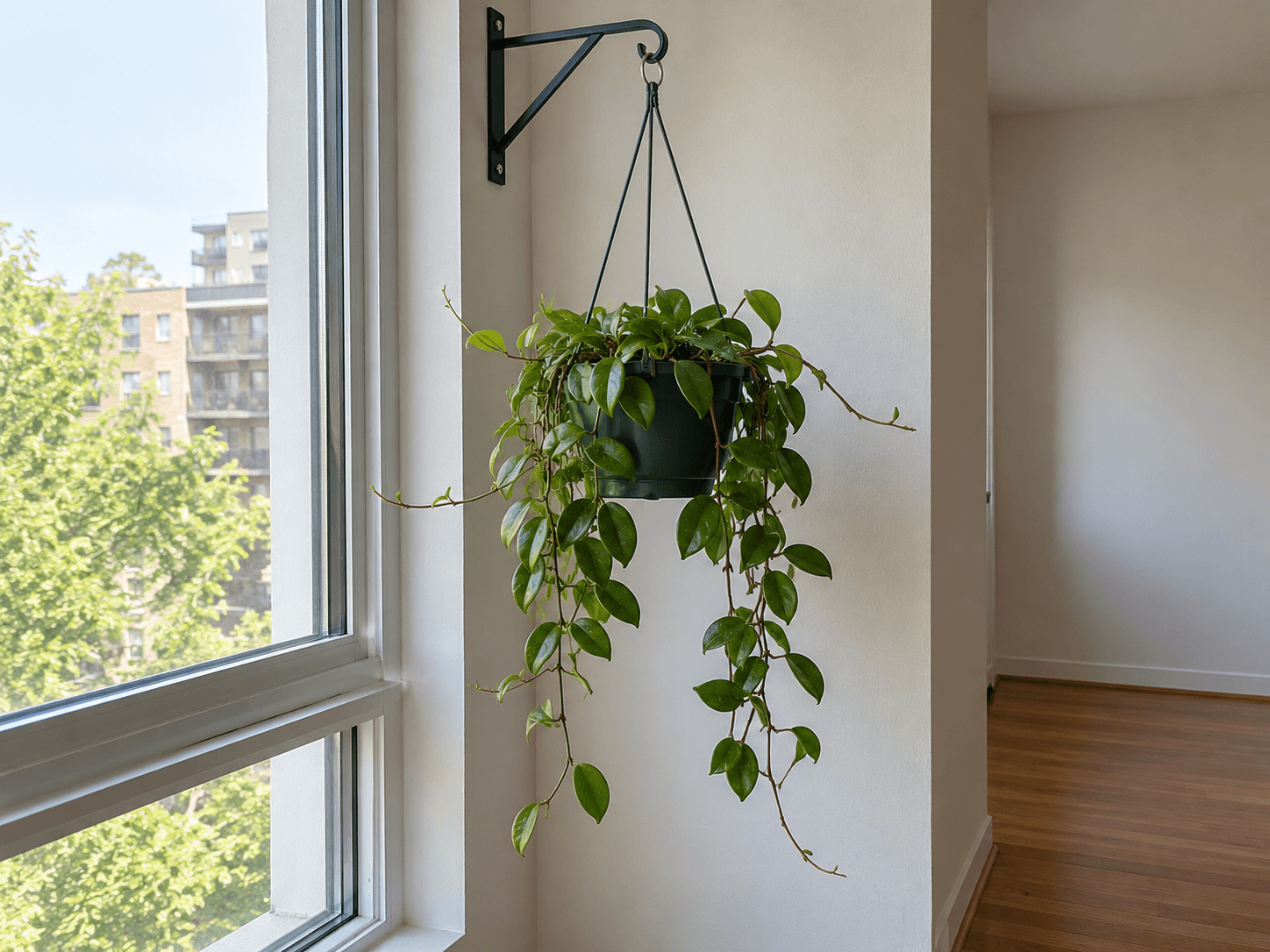
Choose a hanging position you can reach, inspect and water. A trailing plant needs a workable care route as much as an attractive place.
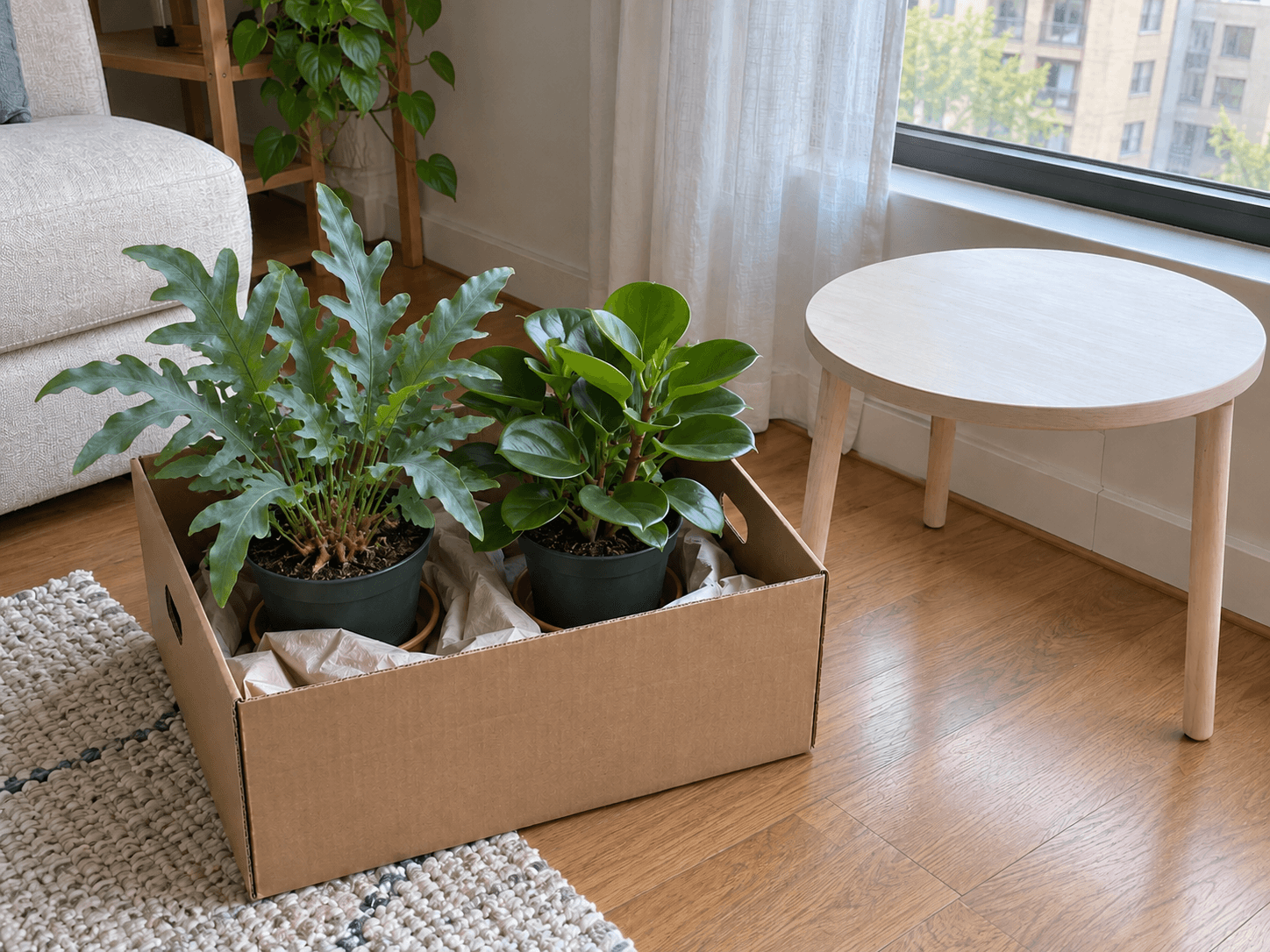
A temporary room has different light and drying conditions. Set up the new position together and leave instructions that help the sitter make a decision.
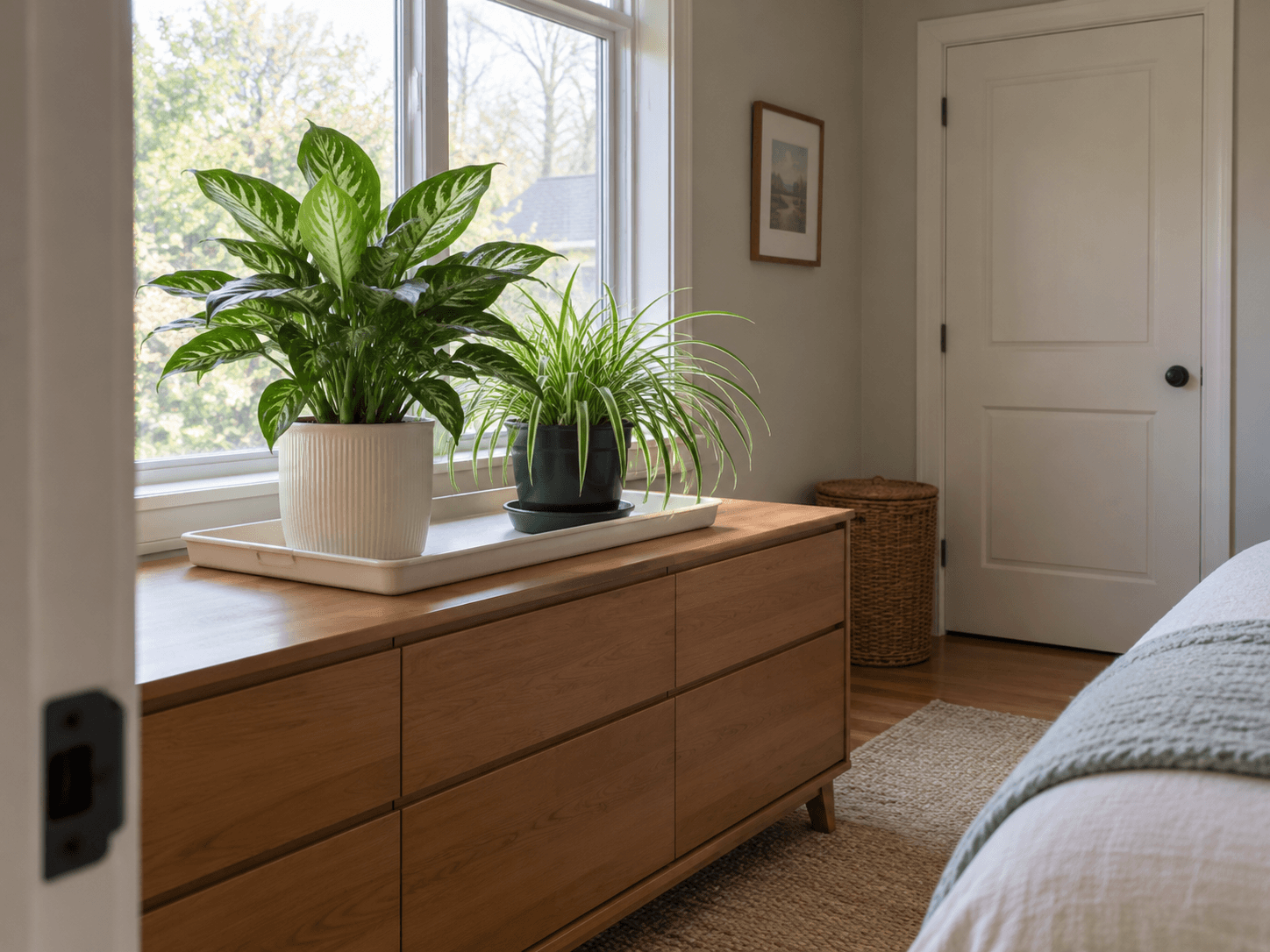
Choose a clean growing place outside the work area, keep watering accessible and reassess the room before the plants return.
Meet Mara and Jules, the neighbours up and down the hall, in a continuing series about learning to live with plants.
Begin with the windowBrowse all 16 stories