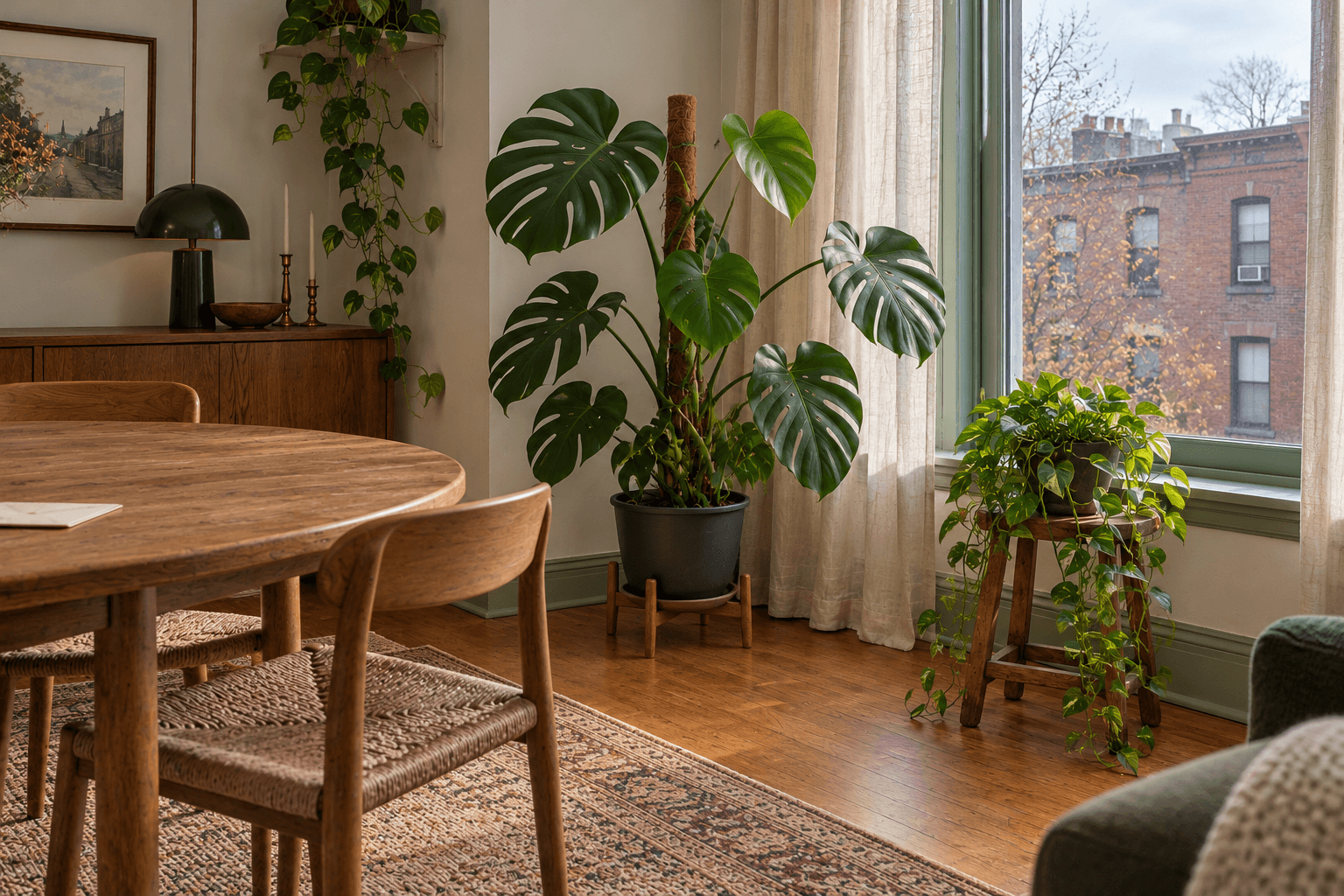
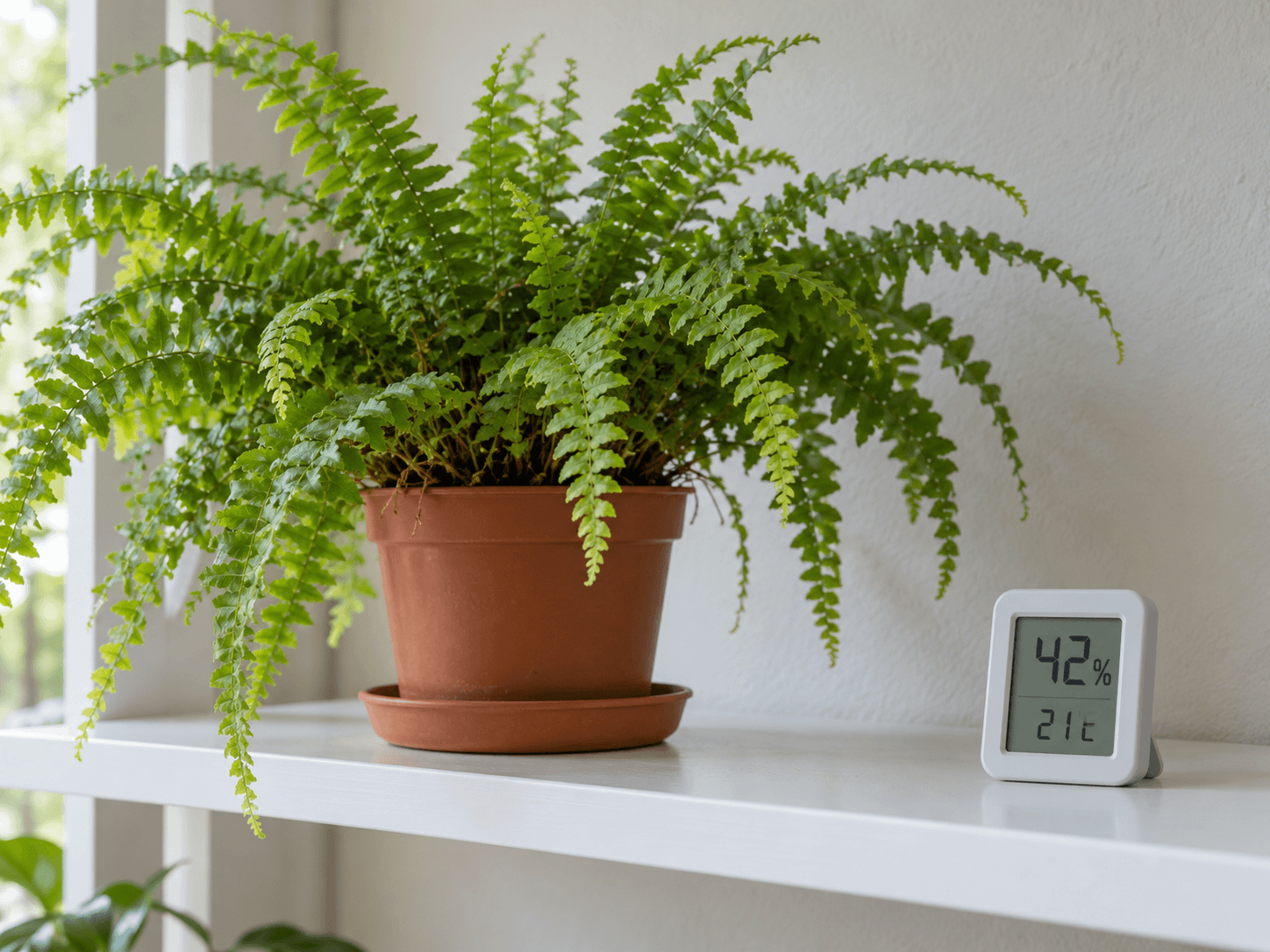
Choose the plant for the plant
Laboratory pollutant removal does not make a few pots a room air cleaner. Separate a plant purchase from the work of improving household air.
The short answer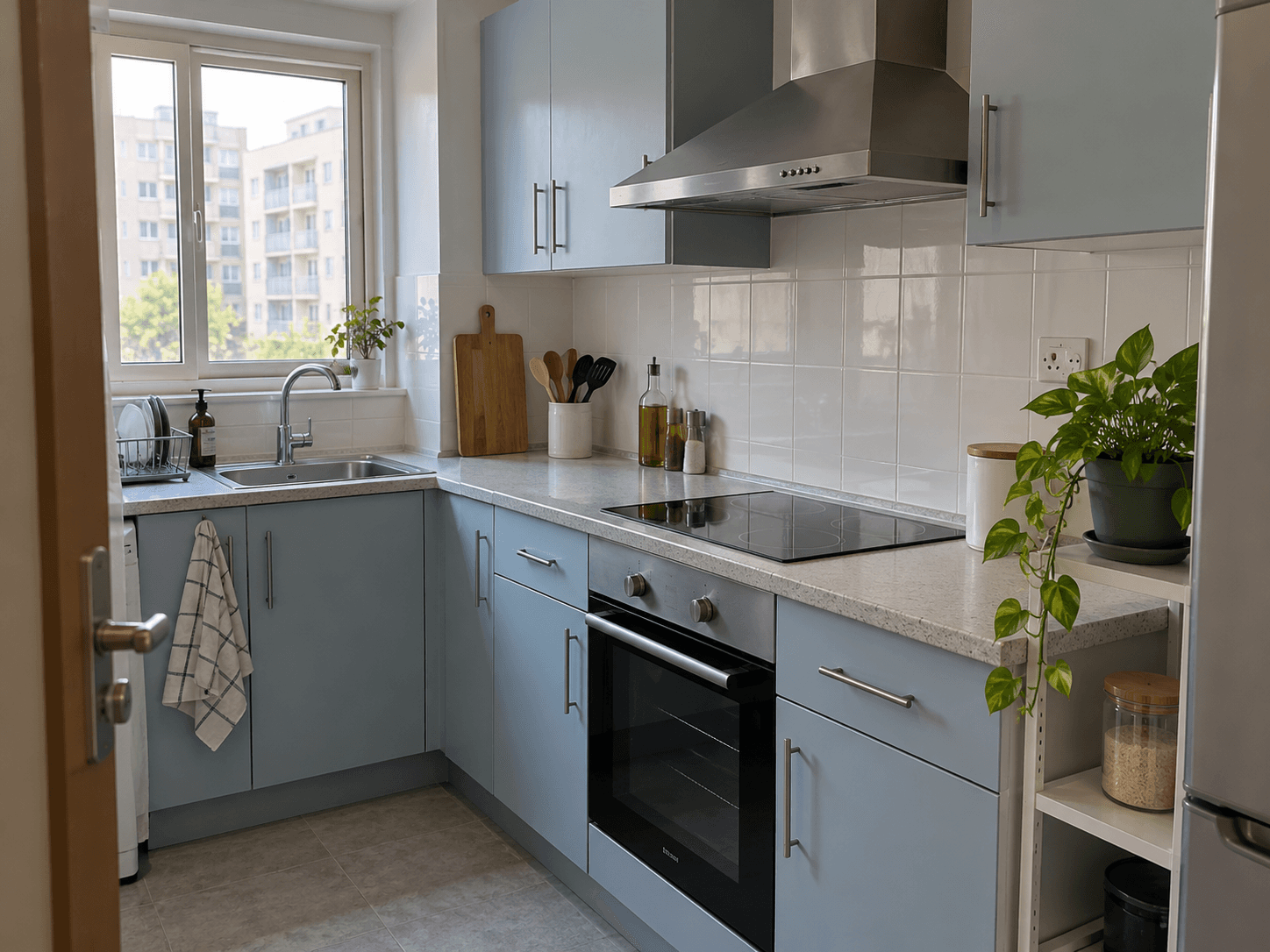
Read what the experiment measured
A widely cited review by Bryan Cummings and Michael Waring examined 12 studies of volatile organic compound removal in chambers. It translated the results into clean-air delivery rates and found ordinary potted-plant removal too small to compete with typical building air exchange at realistic plant densities.
That does not mean nothing happened in the chamber. It means the setting, timescale and removal rate matter. A percentage removed from a small sealed volume is not a promise that the same plant will remove that percentage from your living room.
Use a more useful plant shortlist
An air-purifying label gives you little help choosing a pot for an east window, a narrow shelf or a household with pets. Ask instead whether the plant fits the light, how its roots should dry and whether you can reach it for care. Those questions lead to a purchase you can actually maintain.
There is no reason to crowd the room with extra plants to chase a cleaning claim. One plant you enjoy observing can be enough. Nor does a glossy leaf or vigorous new shoot tell you that indoor pollutant levels have improved.
Give an air problem its own response
Health Canada puts reducing pollutant sources first, with ventilation and filtration as other useful measures. Use kitchen and bathroom exhaust as appropriate and keep vents clear. Open windows only when outdoor air conditions permit; smoky outdoor air changes that decision.
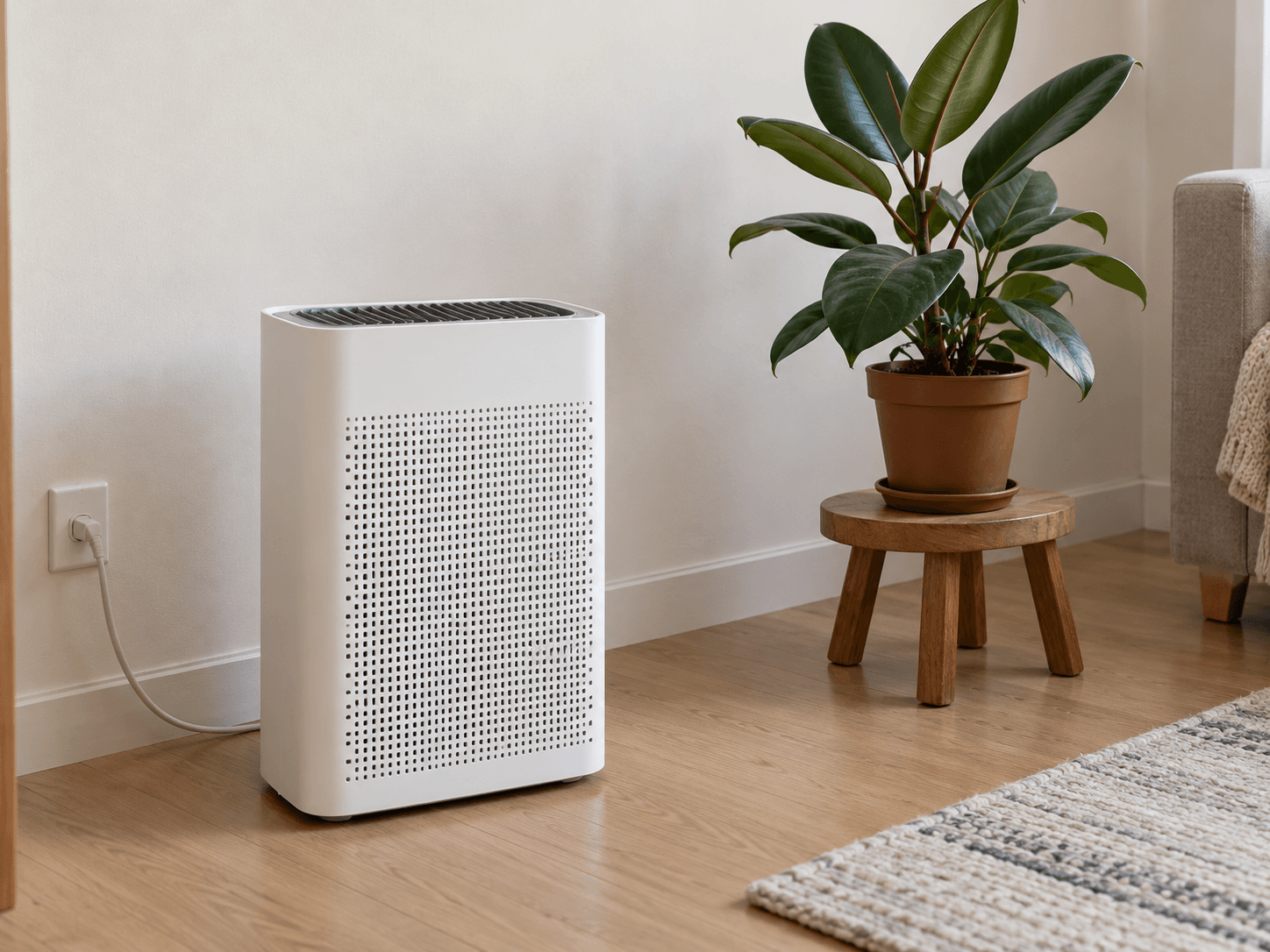
For particle filtration, choose a portable air cleaner suited to the room and check its clean air delivery rate. A HEPA filter addresses particles; it does not make every gas disappear. Follow the equipment guidance rather than using a plant list to decide how to manage a particular air concern.
Let the plant fit around the room
Keep a plant where it has suitable light without obstructing equipment, a window handle or the path through the room. Water and drain it deliberately, protecting nearby electrical devices. Expanding the collection should not make ordinary cleaning and maintenance harder.
Find a related guide below.
Back to the beginningSources & notes
Care guidance checked against these horticultural references on 20 October 2026.
- Cummings and Waring: Potted plants and indoor air qualityPublished abstract: chamber VOC removal rates versus typical building air exchange; ordinary pots versus active systems.
- Health Canada: Improve indoor air quality in your homeSource control, ventilation, filtration and household humidity.
- Health Canada: Using a portable air cleaner to improve indoor airRoom sizing, particle CADR, gas-removal limits and clear air paths.