Give the sitter the plant, pot and context
A temporary room has different light and drying conditions. Set up the new position together and leave instructions that help the sitter make a decision.
The short answer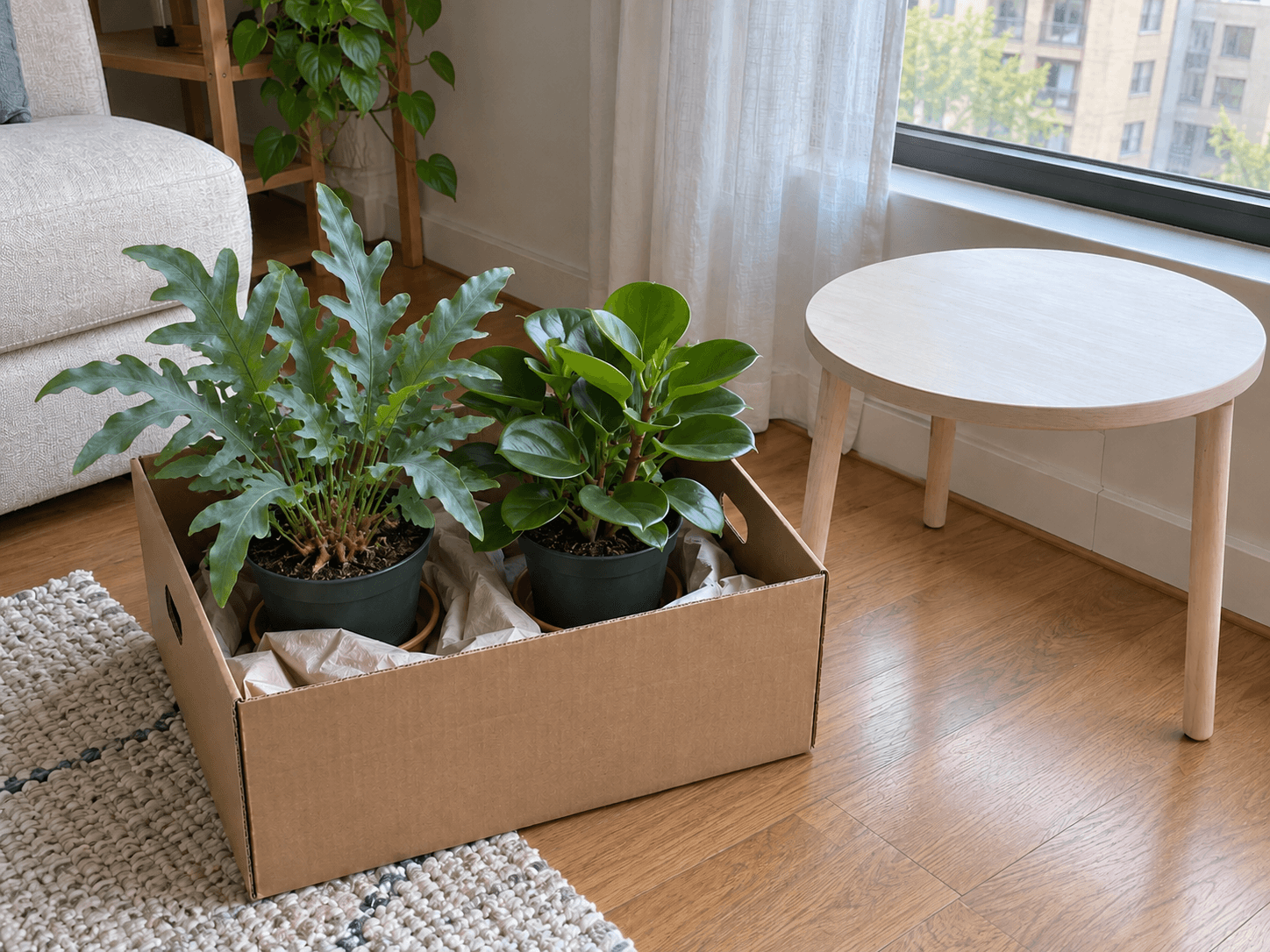
Decide what the temporary home can offer
Ask about the actual space: window light, room temperature, pets and somewhere to drain pots. A spare room that stays closed with its blind down may be convenient storage but a poor growing place. A large floor plant may be simpler to care for where it already lives than to transport twice.
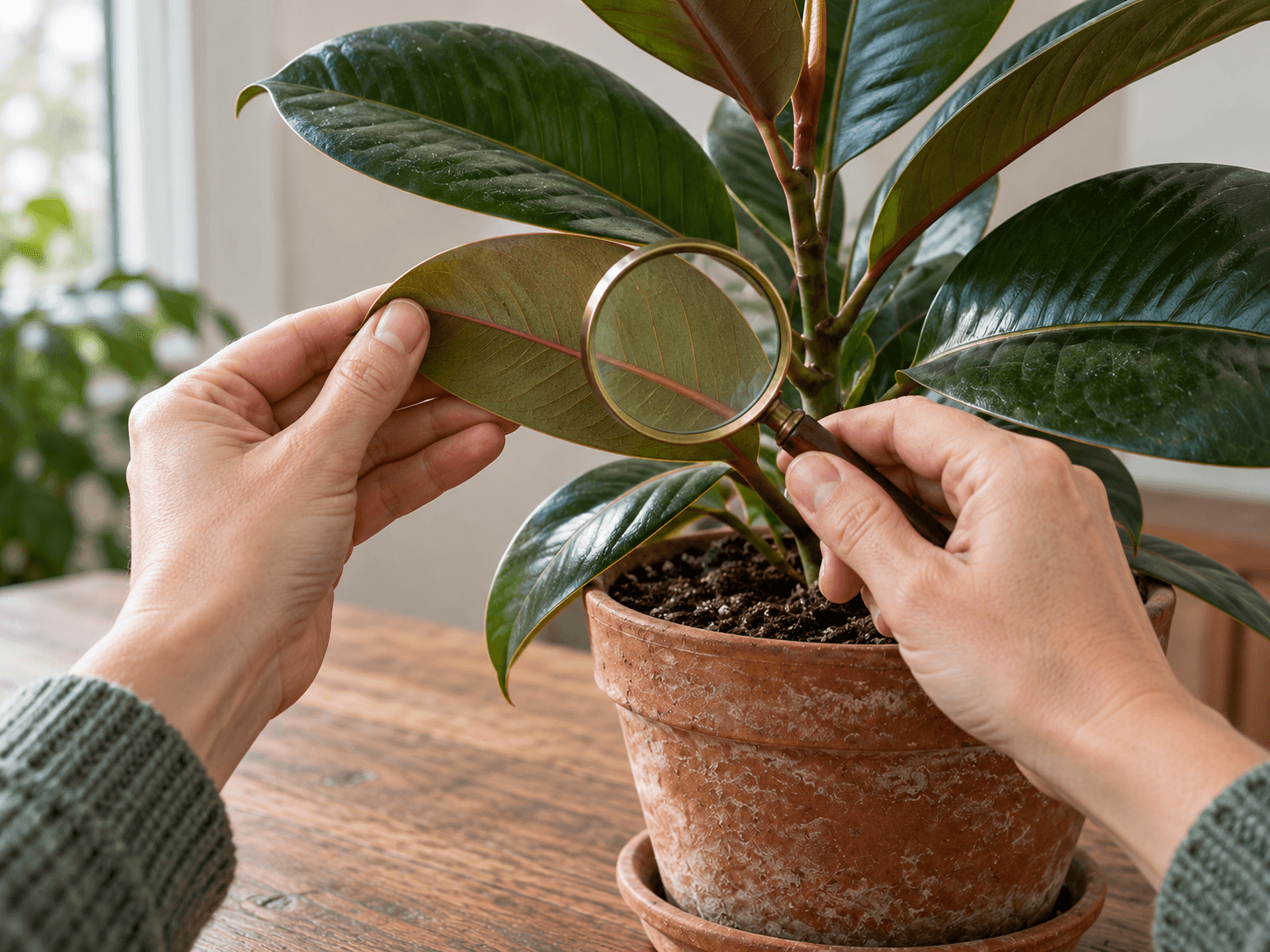
Agree on the number of plants and the expected return date. Explain any known pest issue before bringing a pot over. Do not transfer an unresolved infestation into someone else's collection as an ordinary sitting arrangement. Leave a clear way to contact you if a plant changes.
Keep the container and the history together
- Label each plant or pot and save an arrival photograph. Note when it was last checked, watered or treated.
- Use a sturdy carrier for manageable pots, cushioning the containers so they cannot slide into each other. Support the pots rather than the stems.
- Protect foliage from unsuitable outdoor temperatures during the journey, and avoid leaving plants in a parked vehicle.
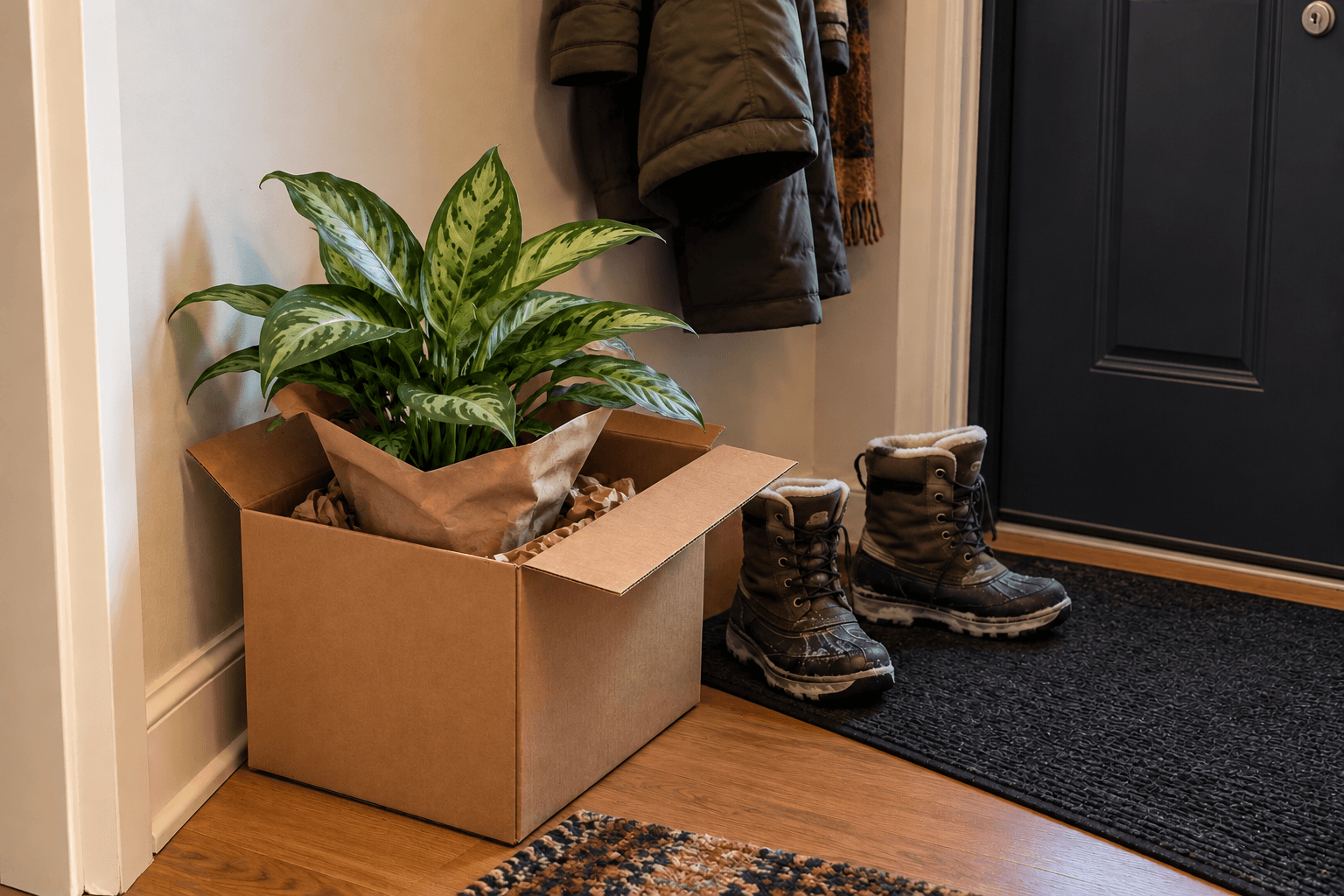
- Unpack promptly. Remove transport wrapping and check for damage or collected water before setting the pots in place.
Choose the new position at leaf height
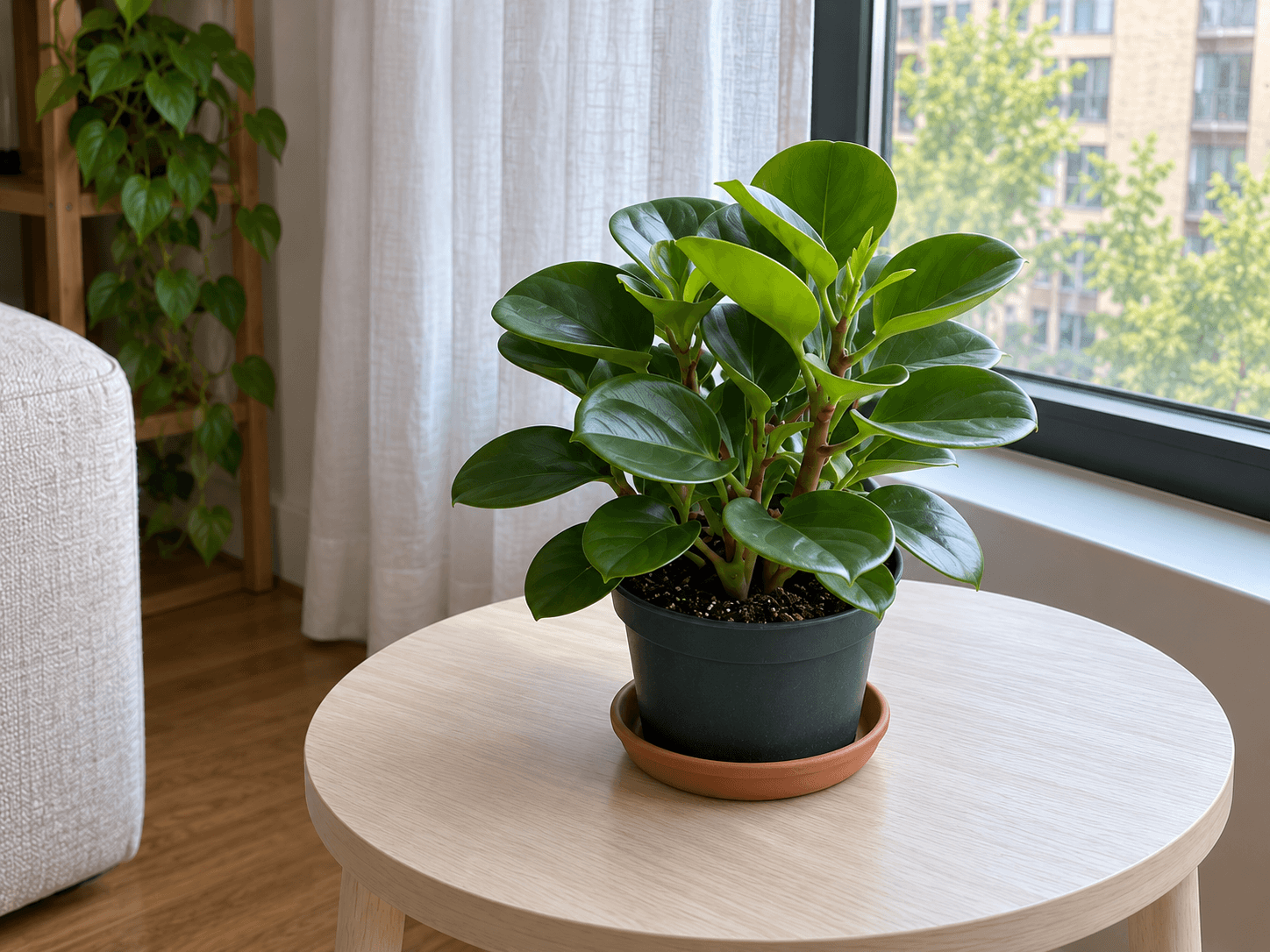
Walk through the proposed positions together if possible. Keep visiting plants separate from the household collection while observing them, and give each useful light without an abrupt jump into harsh sun. Check where a curtain closes, a door swings or a heater blows.
| Leave this | Why it helps |
|---|---|
| Plant name and usual conditions | The sitter can look up the right plant and understand any change of setting. |
| Moisture check you demonstrated | A calendar from your home may not fit this room. |
| Which pot drains and where runoff goes | Water cannot remain hidden in the decorative container. |
| Contact and recent-care note | The next person knows what has already happened. |
Bring the latest note home too
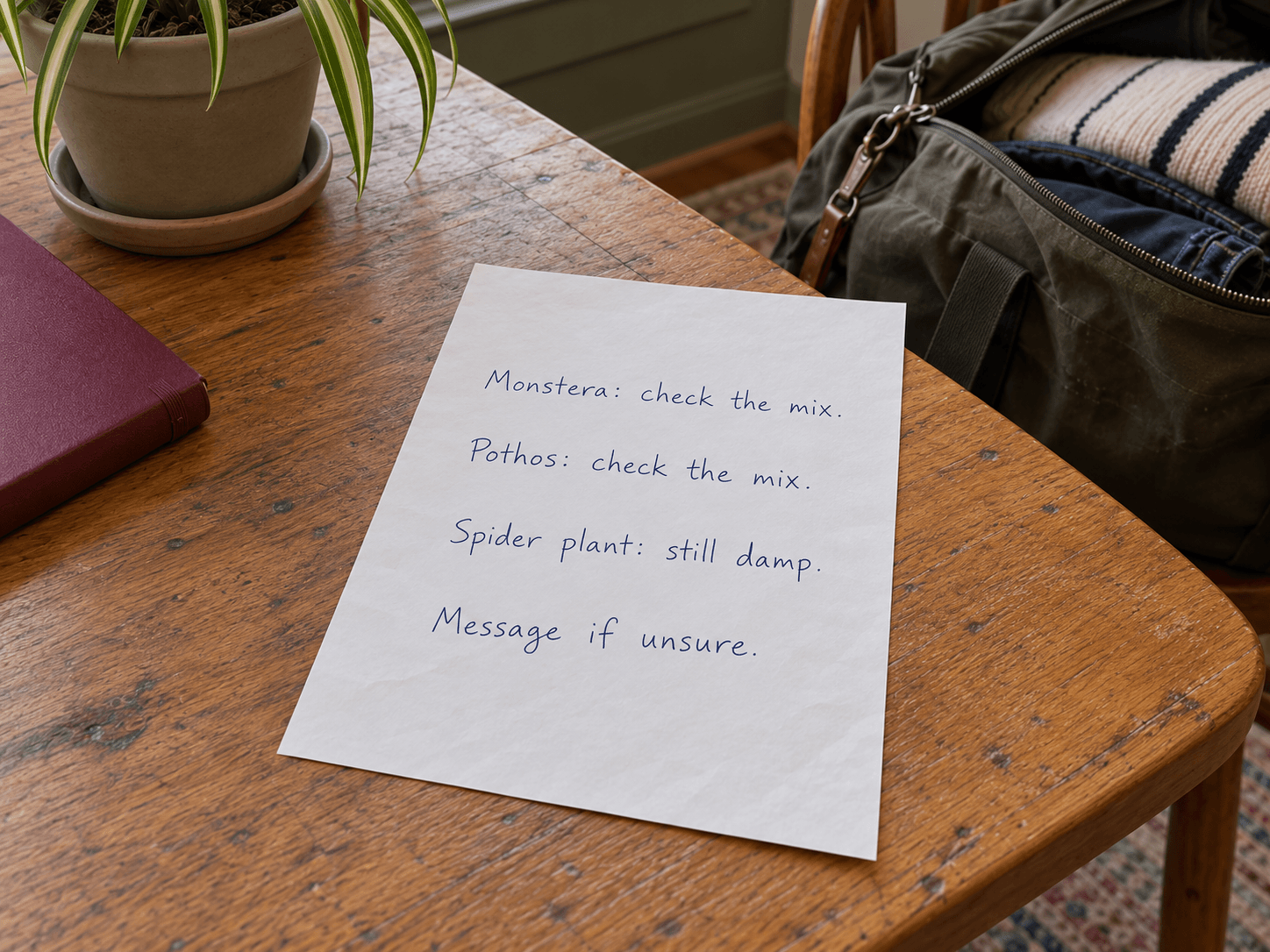
Ask the sitter to record checks and watering separately. A message saying "still damp, left alone" is useful care information. Avoid asking them to feed, repot or try a new treatment unless there is a clear agreed reason and they are comfortable doing it.
At collection, ask when each pot last received water and whether its condition changed. Inspect it before returning it to your main collection. Once home, assess your own light and moisture again; do not give every plant a welcome-home drink. Keep any useful adjustment in the next handover note.
Find a related guide below.
Back to the beginningSources & notes
Care guidance checked against these horticultural references on 20 October 2026.
- Royal Horticultural Society: Growing houseplantsIndoor conditions, seasonal care, humidity and holiday planning.
- University of Minnesota Extension: Lighting for indoor plantsWindow exposures, low-light limits and supplemental lighting.
- University of Maryland Extension: Watering indoor plantsMoisture and pot-weight checks; top and bottom watering.
- University of Minnesota Extension: Managing insects on indoor plantsInspection, isolation, pest signs and integrated management.