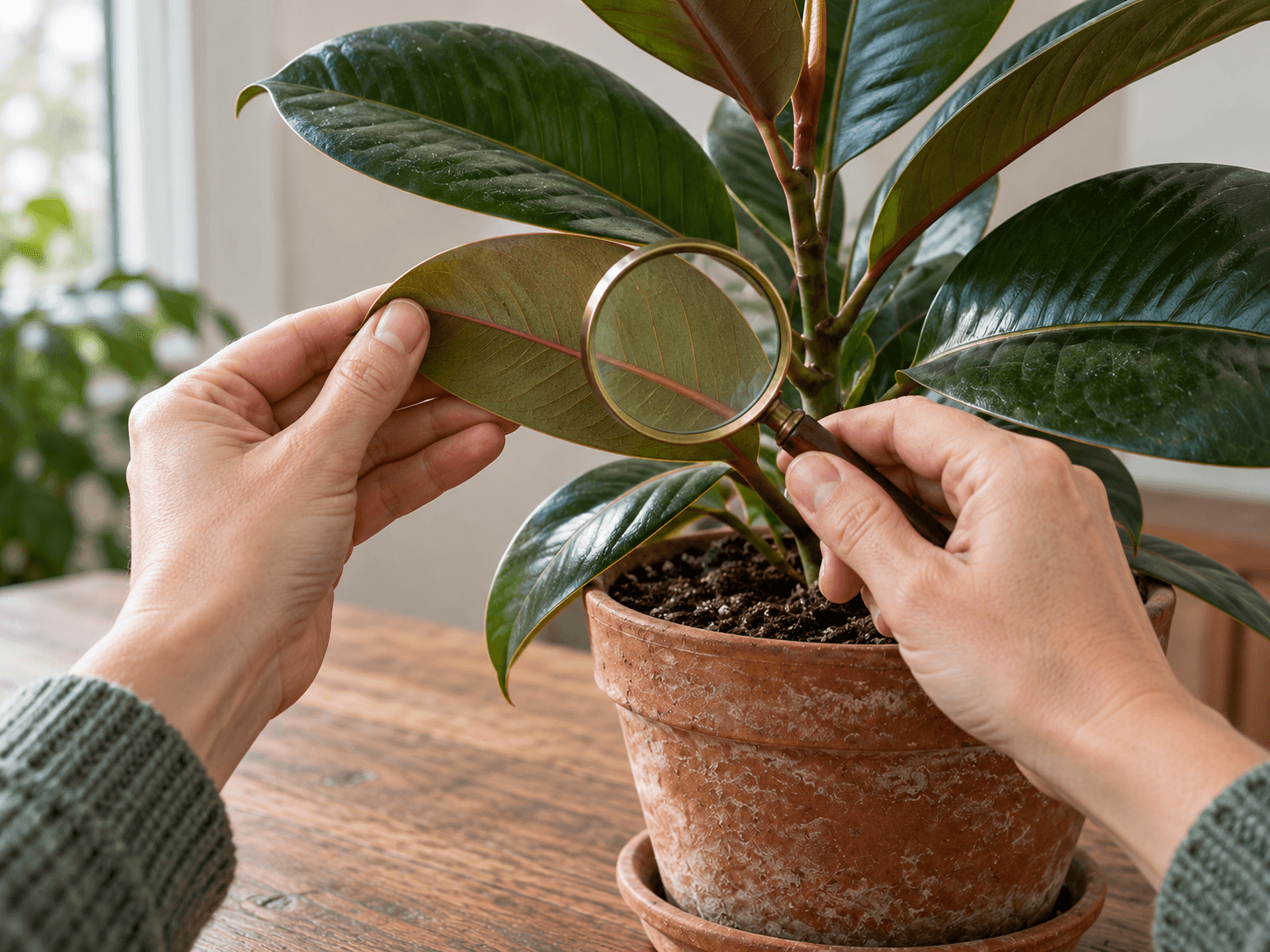
Look closely at the silver marks
Silvery scarring and distorted growth deserve an inspection. Find the insect before choosing the treatment.

79 pieces · Page 4 of 7
Clear searchSilvery scarring and distorted growth deserve an inspection. Find the insect before choosing the treatment.
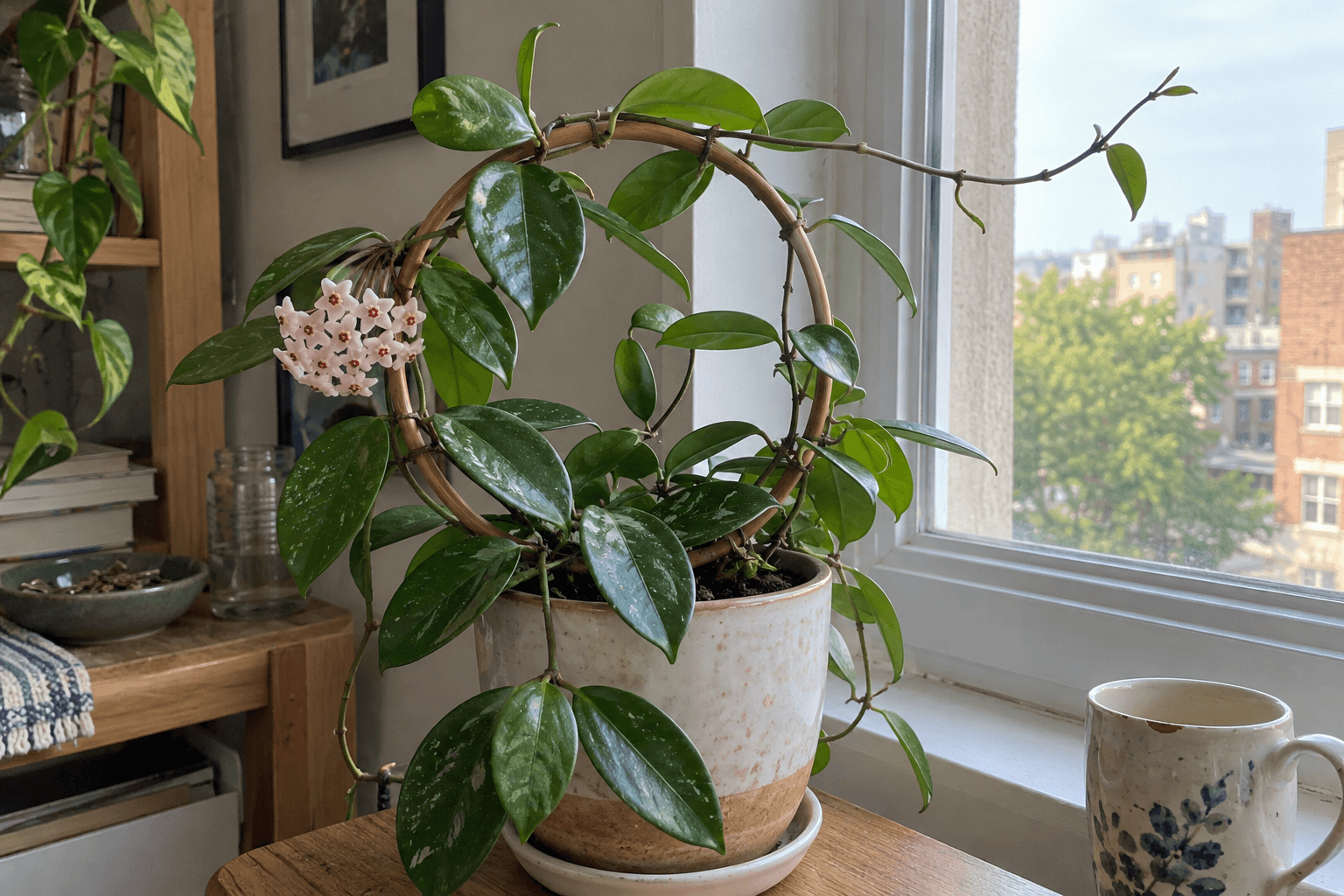
A tacky leaf or shelf can reveal a pest you have not seen yet. Start above the mark and follow the evidence.
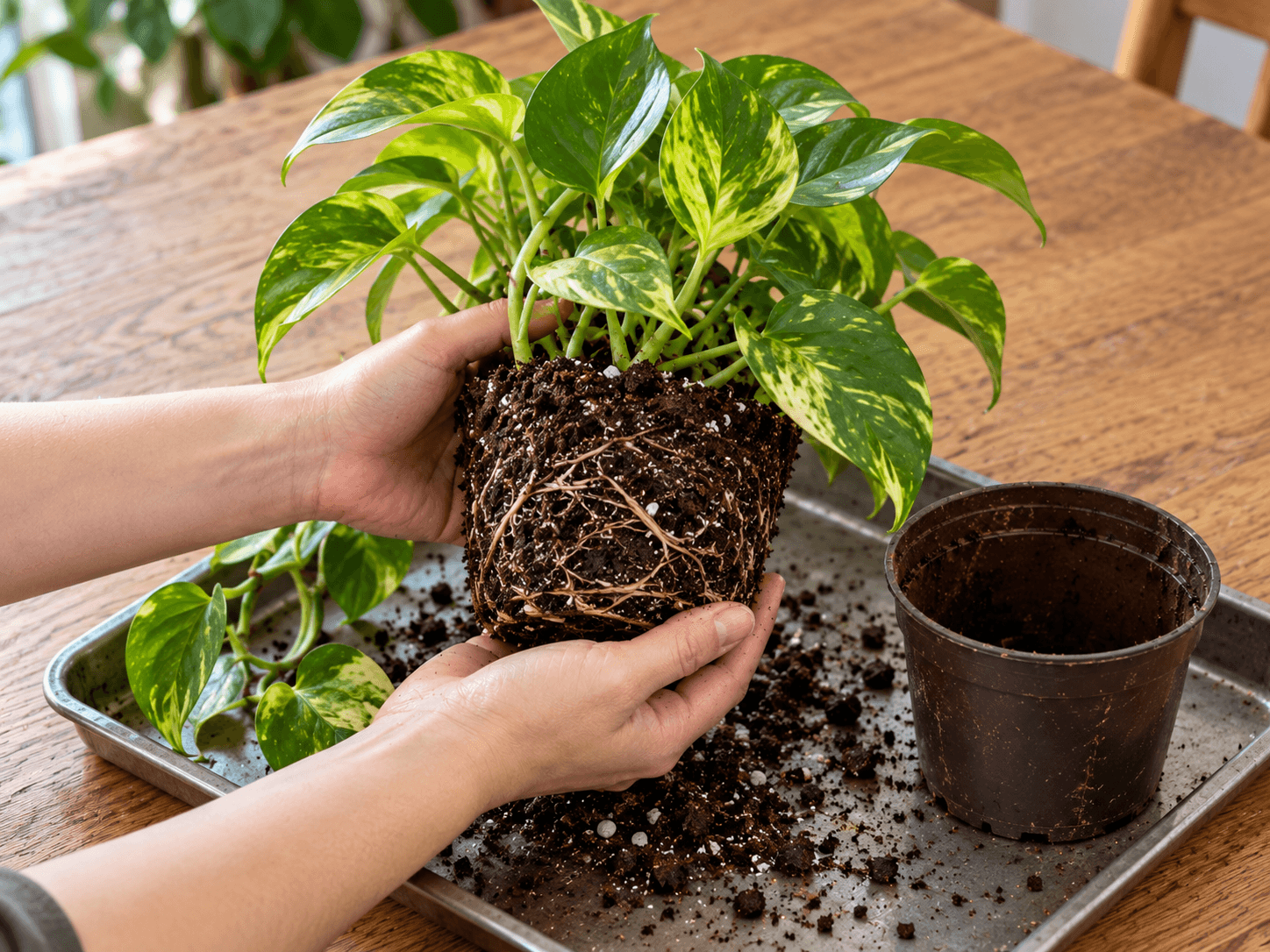
Surface growth can point to persistently damp conditions. Distinguish it from mineral crust and insects before acting.
A small fruiting body can arrive without warning. Protect curious hands and paws while checking the growing conditions.
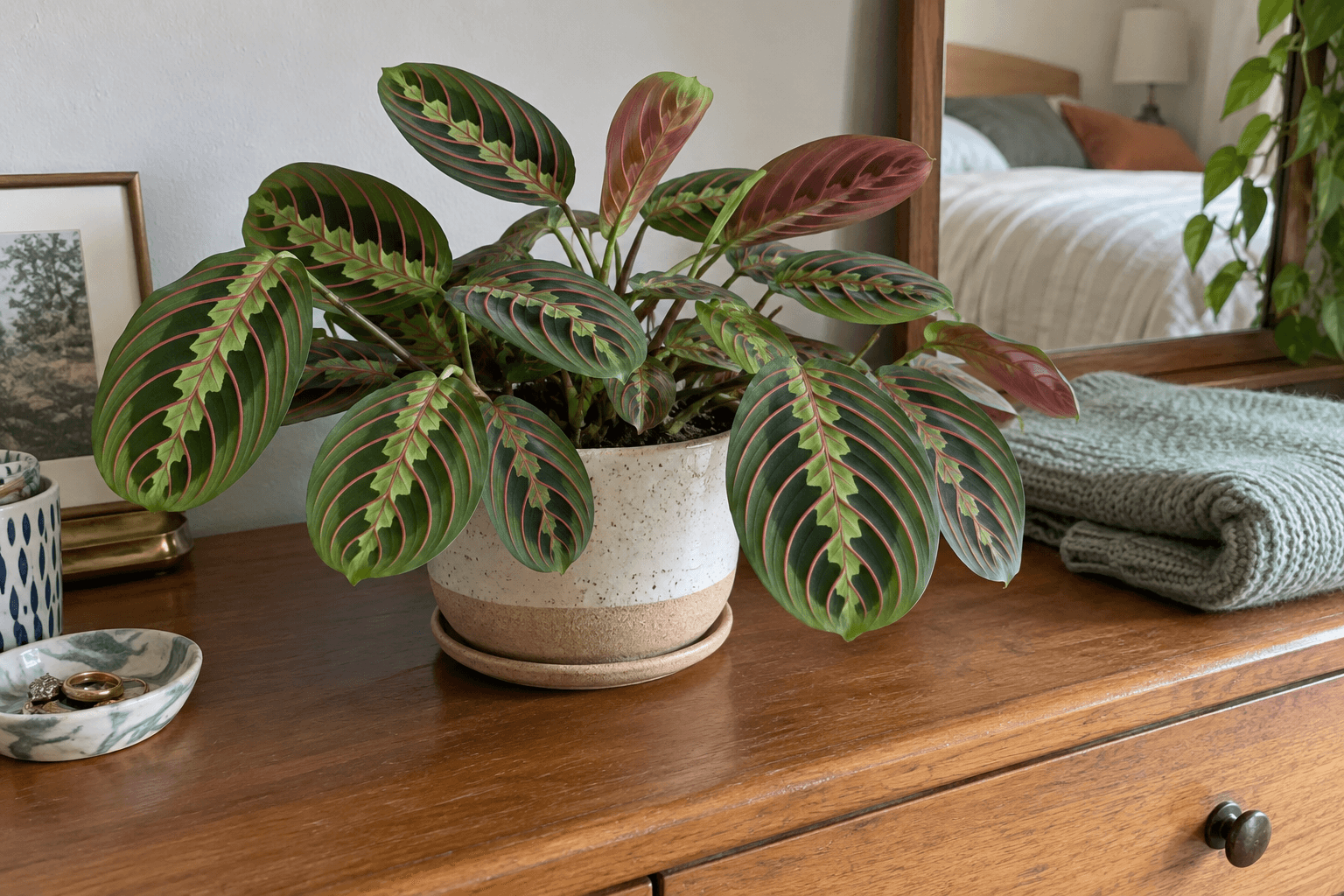
A rolled new leaf, a moving prayer plant and a suddenly curled mature leaf are different things. Start by separating them.

Long bare stretches can come from growth habit or inadequate light. Decide which before reaching for the scissors.

A sudden move into stronger sun can leave pale or brown areas. Trace the light change before treating the leaf.

A winter journey or a leaf behind the curtain can leave delayed damage. Stabilise the conditions before making more changes.
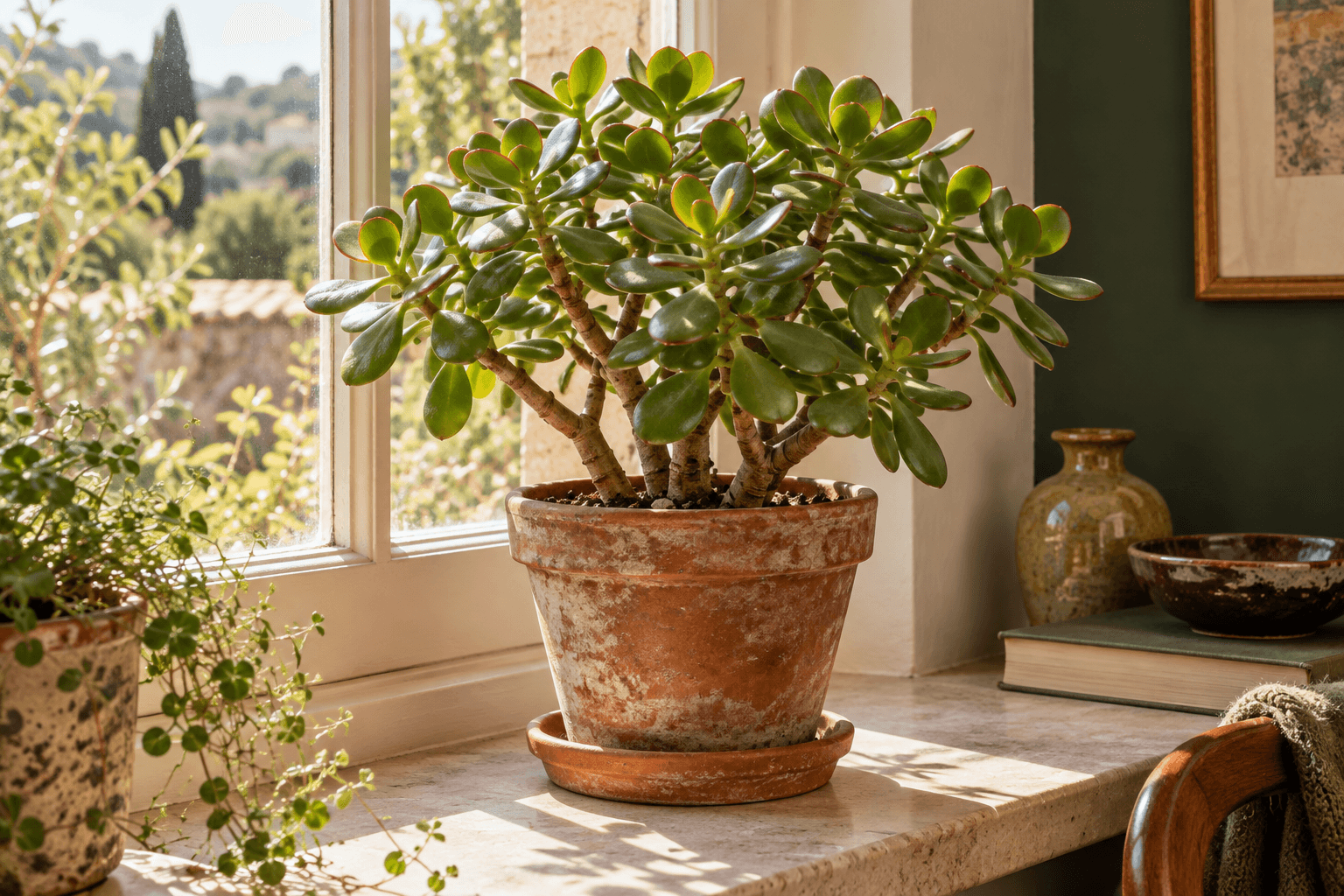
Raised blisters can become corky marks when water uptake and loss get out of balance. Compare carefully before treating for pests.
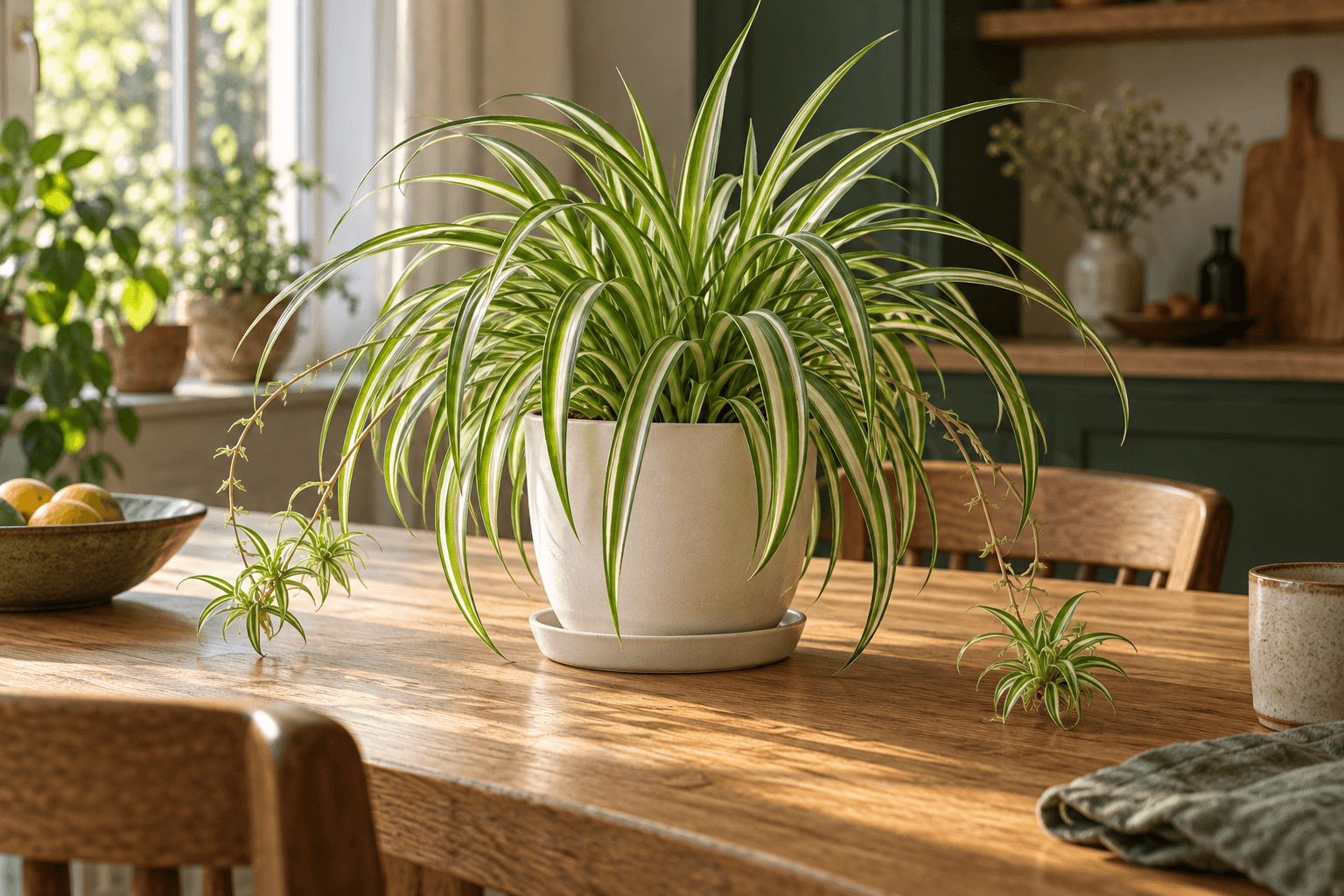
Choose a developed plantlet and give its small roots a manageable first pot. The runner is not a pothos vine.
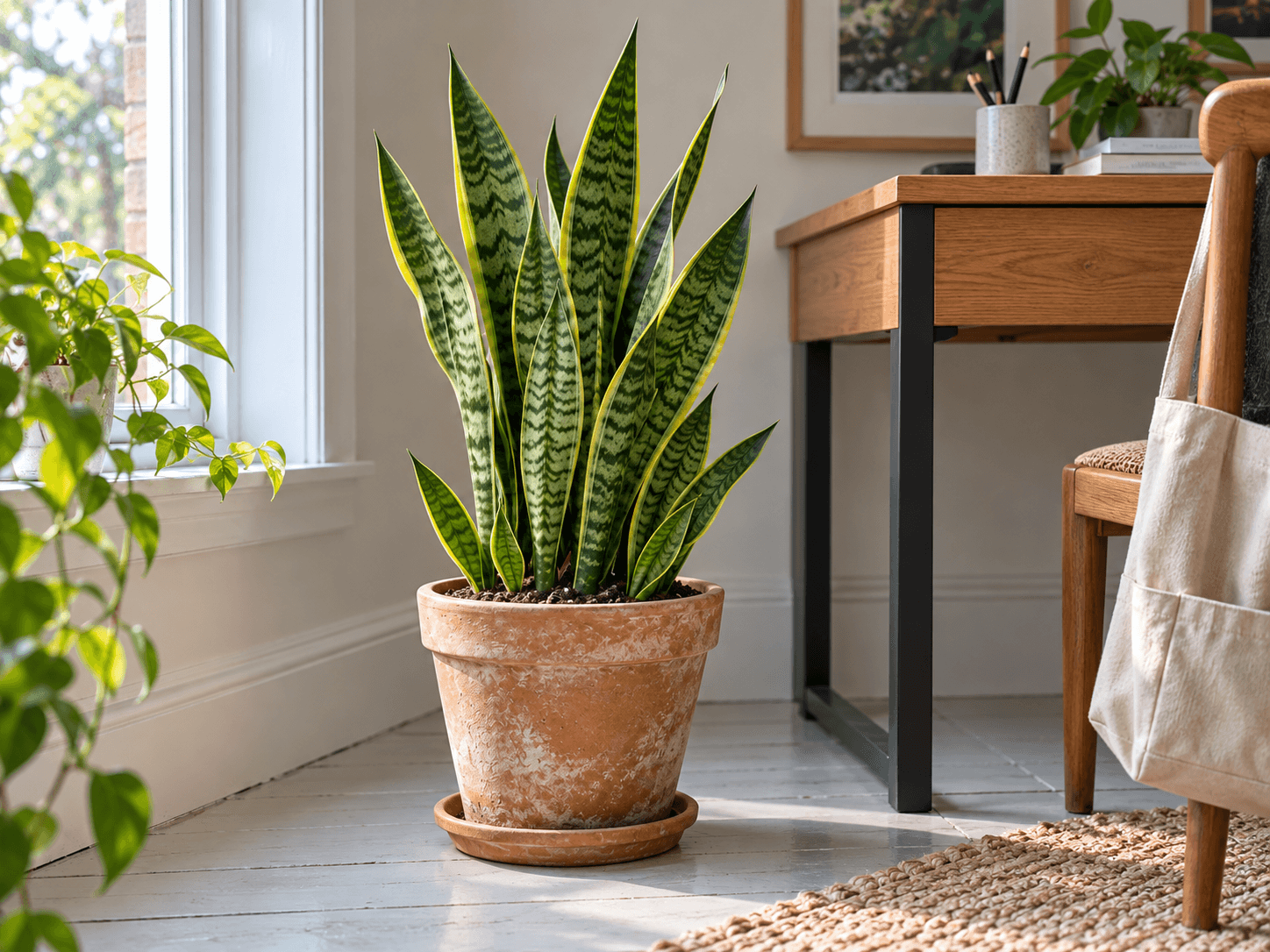
Separate established growth at the rhizome when there is a reason to divide. Leaf cuttings may not preserve the familiar yellow margins.

The potato-like structures under a ZZ are water-storing rhizomes. Preserve a sound section rather than separating every upright leaf.
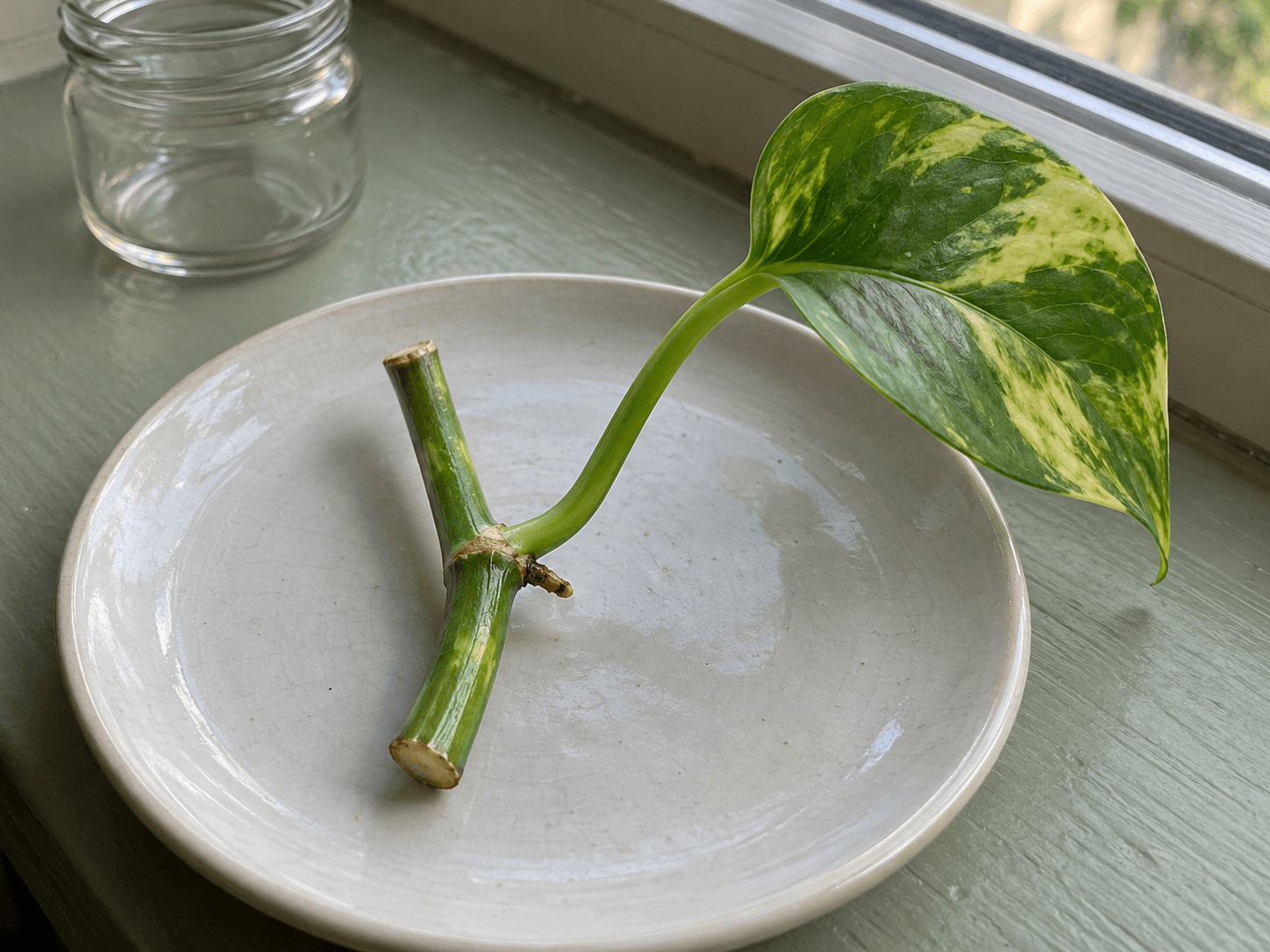
Meet Mara and Jules, the neighbours up and down the hall, in a continuing series about learning to live with plants.
Begin with the windowBrowse all 16 stories