A curled leaf needs context
A rolled new leaf, a moving prayer plant and a suddenly curled mature leaf are different things. Start by separating them.
The short answer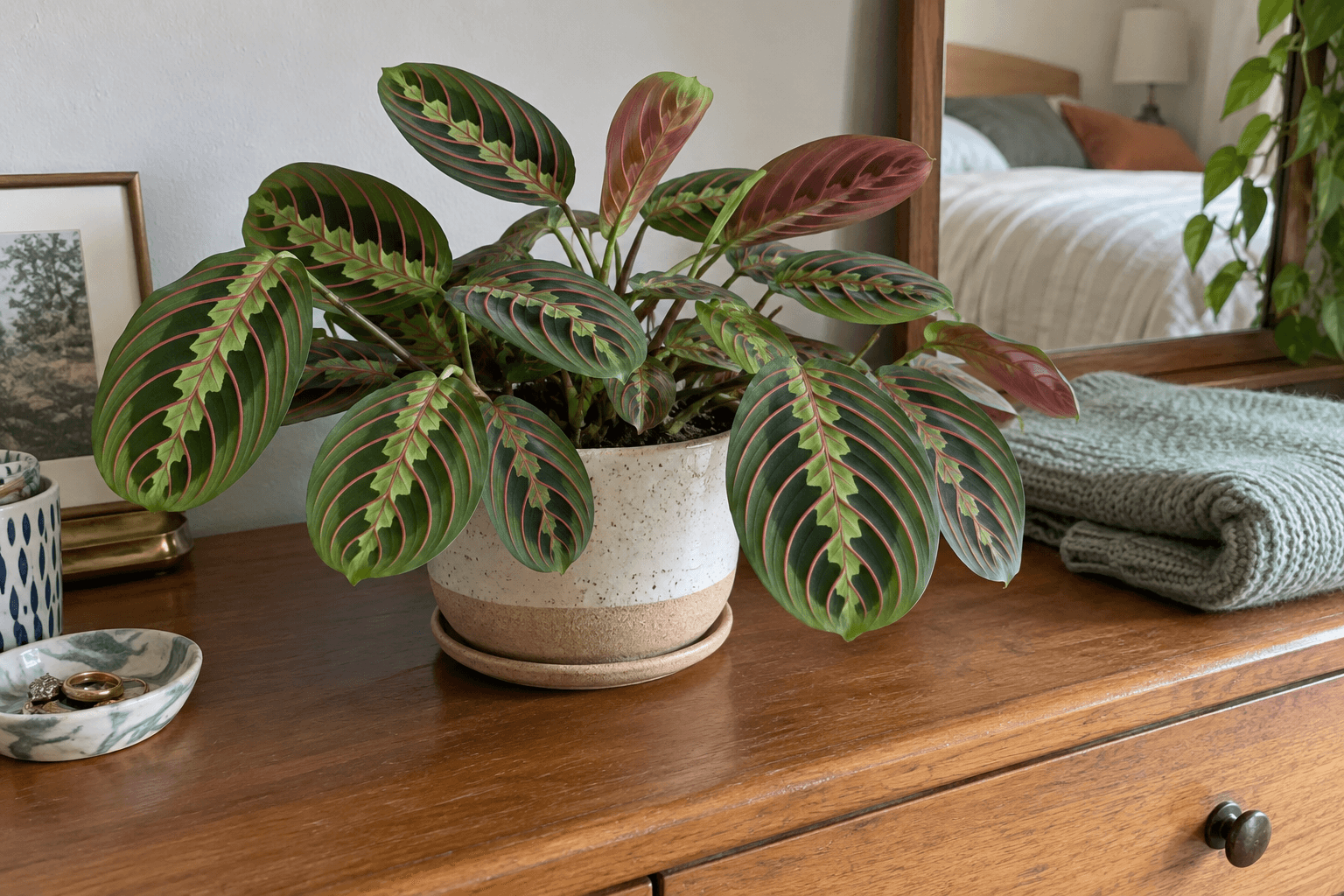
Know what was there yesterday
New leaf
A separate rolled spear is developing. Give it space; do not pull it open.
Daily movement
A prayer-plant leaf changes its angle between day and night. The blade still opens.
Persistent curl
An older blade stays rolled. Check the mix, roots, light and airflow before adding water.
Simplified prayer-plant shapes. Posture is a clue, not a diagnosis. Compare at the same time of day.
Many new leaves emerge rolled and open gradually. Maranta leaves also change position during the day. Compare the same leaf at a similar time and distinguish a developing leaf from one that was previously flat. Do not pull a new leaf open to speed it up; handling can damage tissue that is still forming.
Check new growth and mature leaves on an orbifoliaCheck the supply at the roots
| What you find | What to do next |
|---|---|
| Light pot and dry root zone | Water thoroughly for that species, let it drain and check whether the whole root ball became wet. |
| Heavy pot and wet mix | Pause watering. Check the drainage and inspect roots if the plant is declining. |
| Moist mix beside hot glass or a heater | Check the heat and light exposure. More water may not solve the mismatch. |
Established leaves can curl when roots cannot supply enough moisture. That may follow drying, heat or root damage in wet medium. Feel the mix and assess pot weight before watering. If a dry core repels water, a quick pour may not reach it. If the mix is already wet, investigate drainage instead.
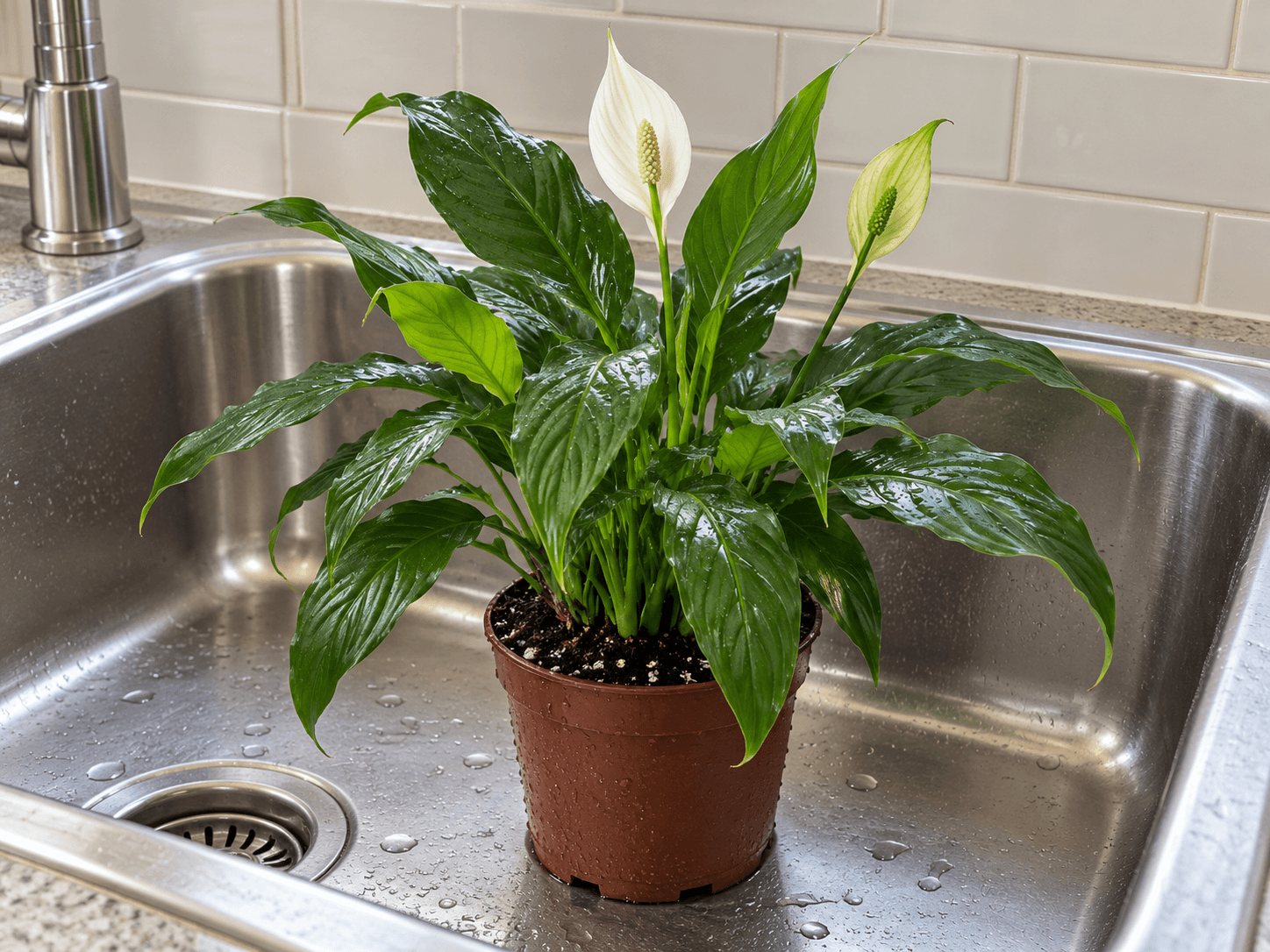
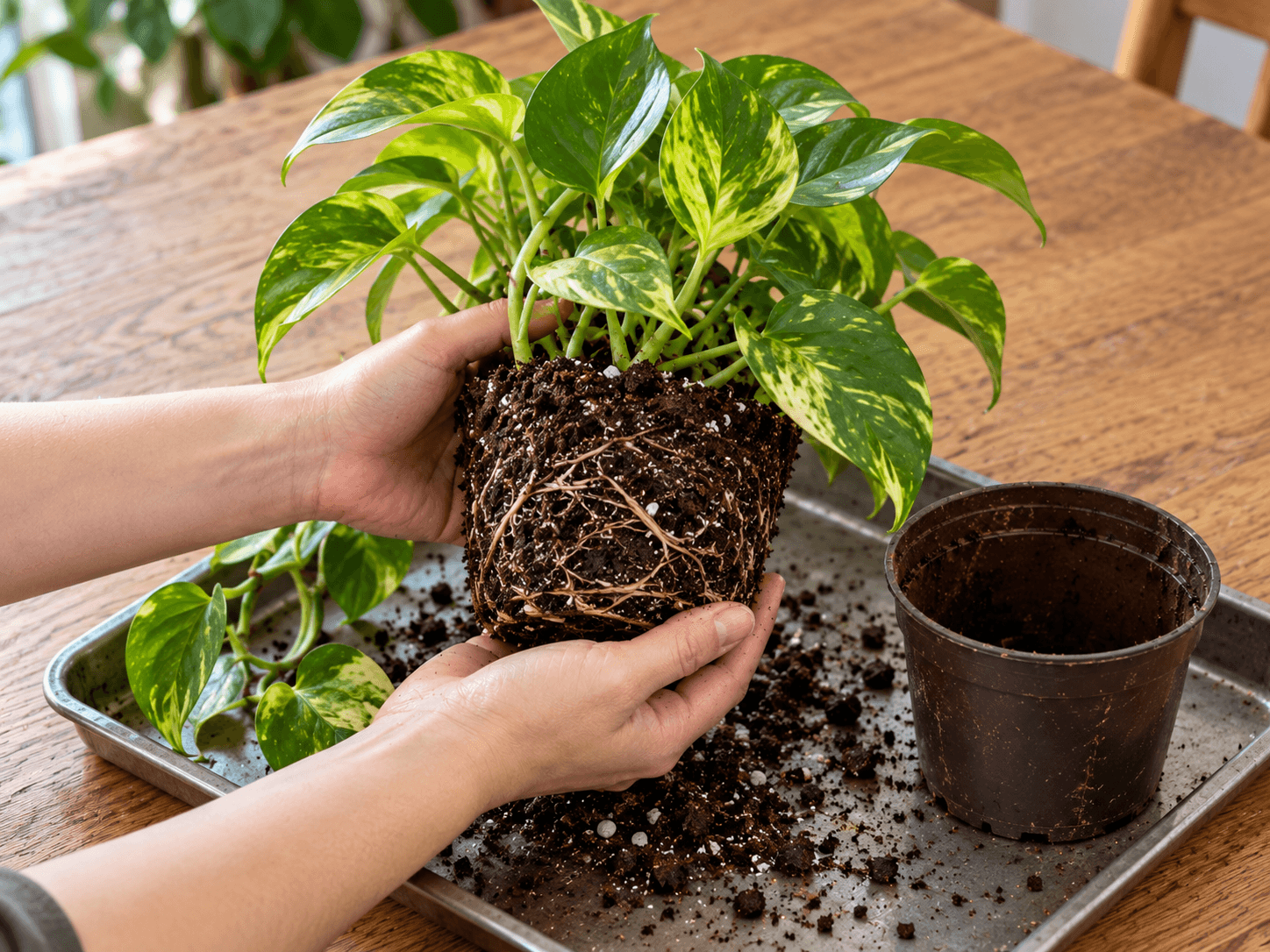
Rewet a dry root ball when water runs straight throughInspect roots when the mix stays wet and the plant declinesLook inside the folds gently
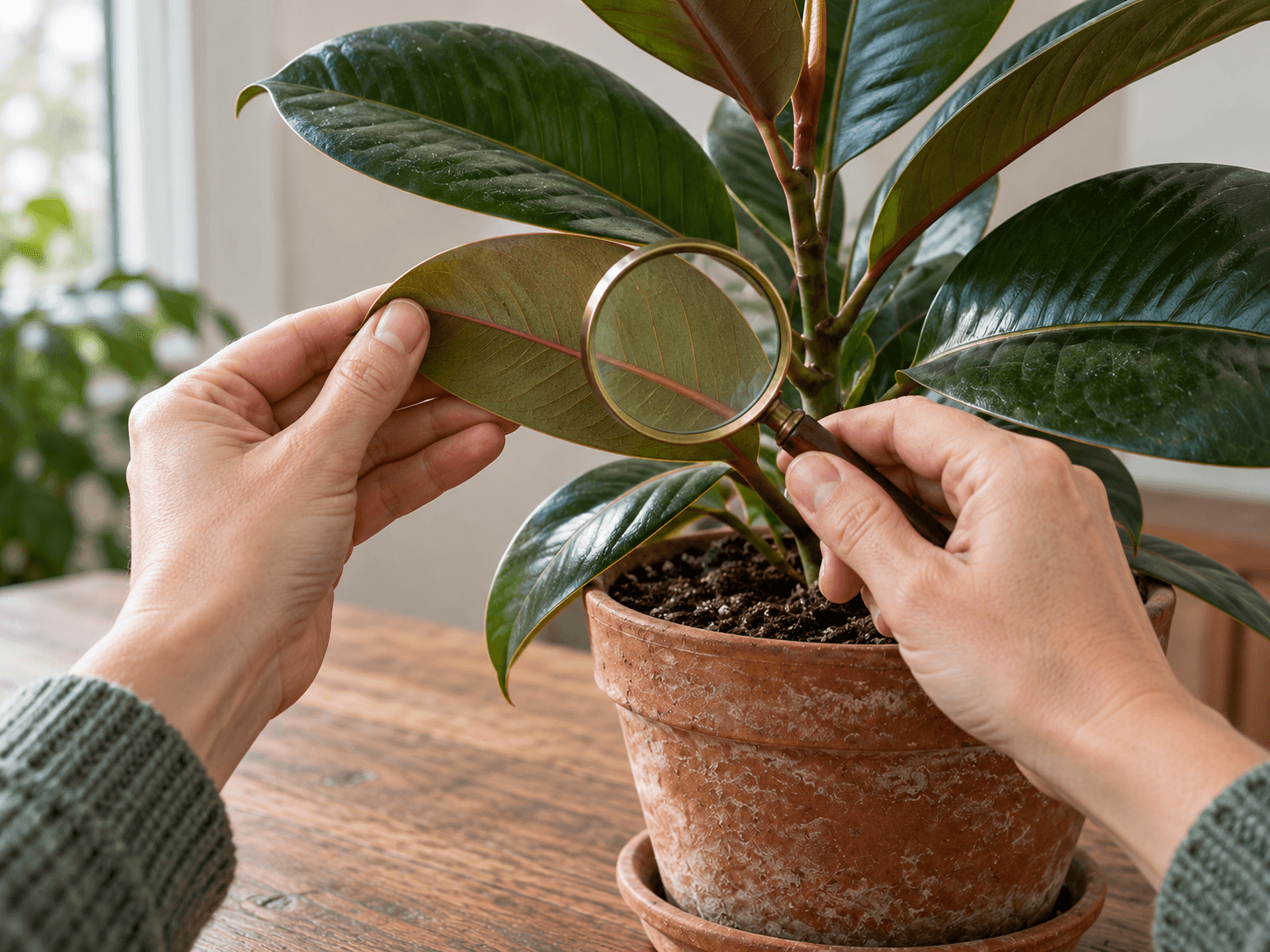
Inspect accessible undersides and new growth for insects, webbing or feeding marks. Compare suspected pests with documented photographs. Also note a recent move into stronger sun or a stream of hot air. Several changes can happen together, so write down the sequence rather than choosing the first plausible cause from a picture search.
Compare silvery feeding marks with documented pest referencesUse new growth as evidence
- Photograph the whole plant and one affected leaf. Record whether the mix was dry or wet and when the plant last moved.
- Correct the condition you actually found. Keep suspected pests apart from neighbouring plants while you identify them.
- Compare at the same time of day over the following days. Watch new leaves and whether the change spreads, rather than expecting damaged tissue to flatten.
If the change continues without a clear explanation, seek help with the plant name, whole-plant photographs, close-ups and watering history. That combination is more useful than one cropped image of a curled edge.
Find a related guide below.
Back to the beginningSources & notes
Care guidance checked against these horticultural references on October 27, 2026.
- University of Maryland Extension: Drought stressDry root balls, wilting and water stress.
- NC State Extension: Maranta leuconeuraLeaf movement, spreading habit, filtered light and moisture.
- University of Minnesota Extension: Managing insects on indoor plantsInspection, isolation, pest signs and integrated management.
- University of Maryland Extension: Diagnose indoor plant problemsOverlapping causes of wilt, yellowing, poor growth and root damage.
- RHS: Leaf damage on houseplantsLeaf deformation can follow irregular watering, dry air, excessive light or changing temperatures; compare other signs before deciding on a cause.