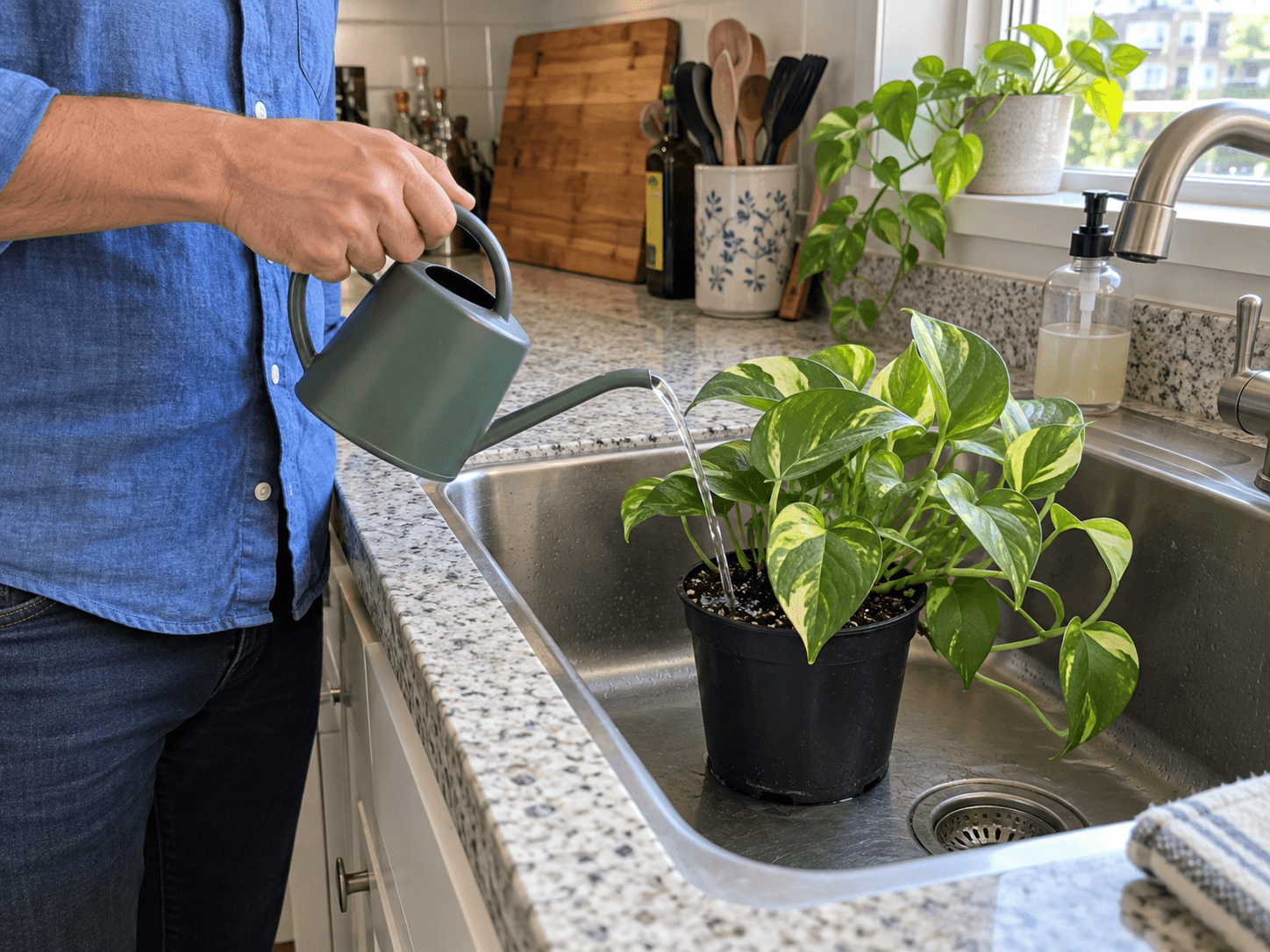
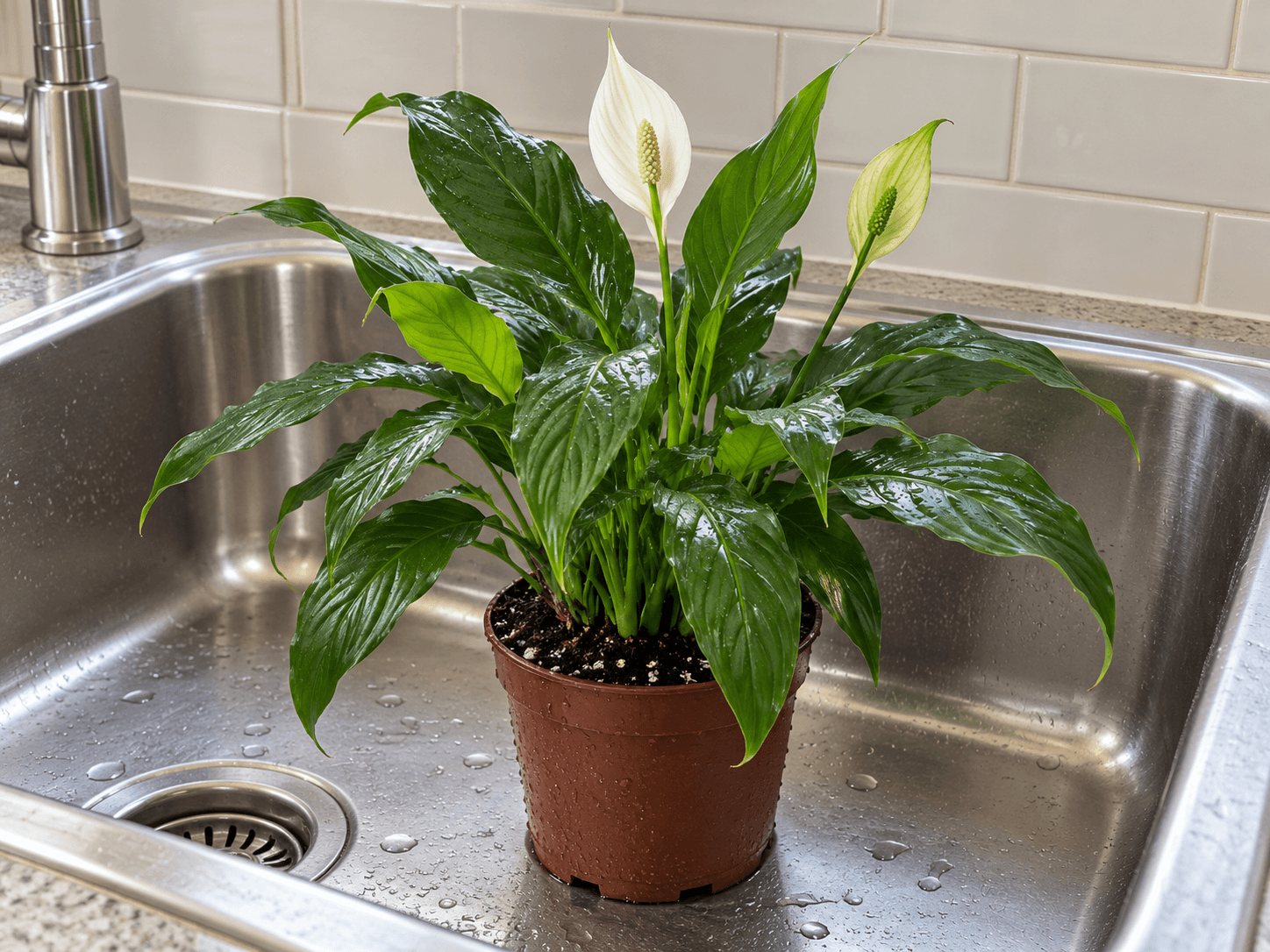
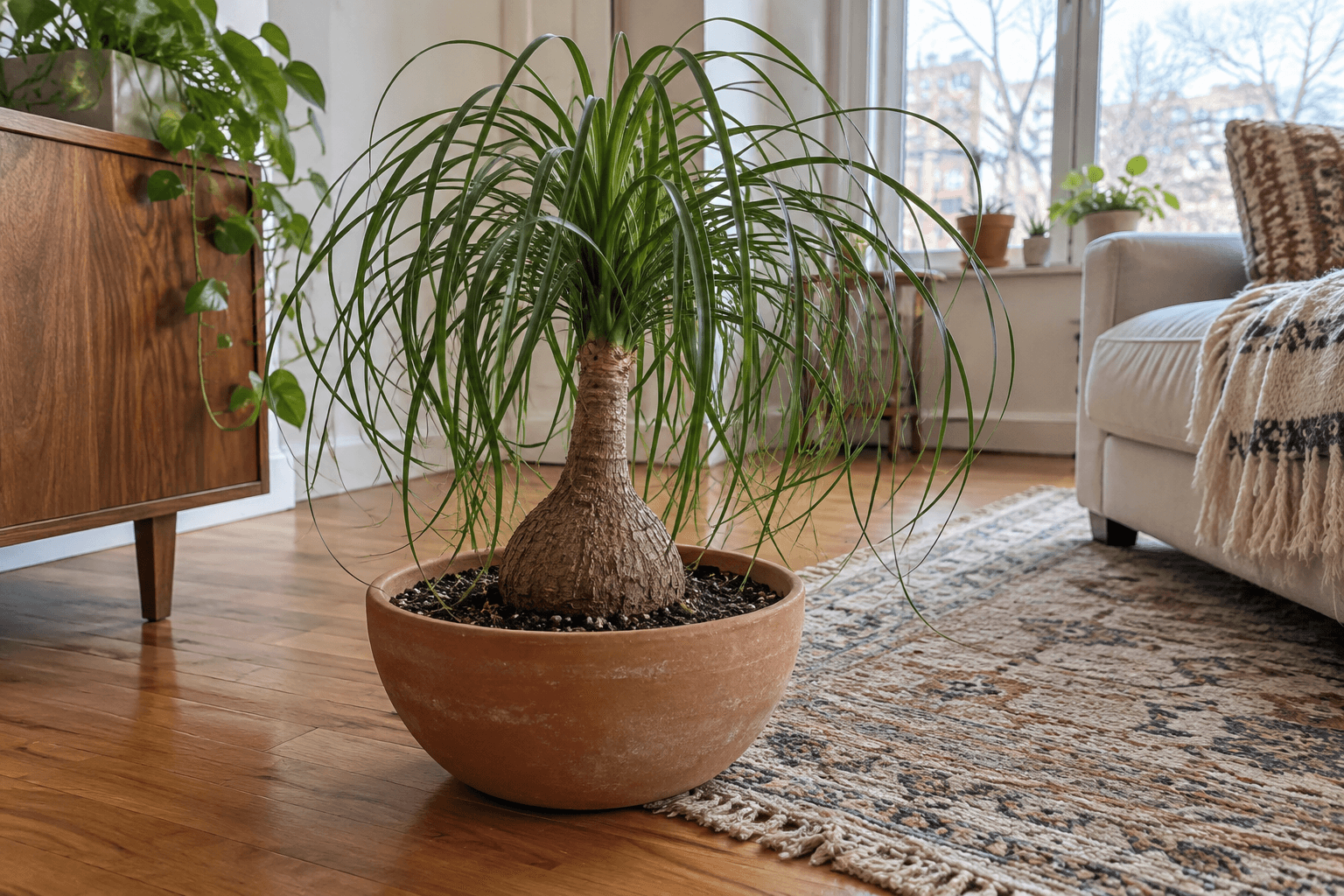
The meter says dry. Check once more.
A probe adds information, but the root ball, pot weight and plant still have a say.
The short answer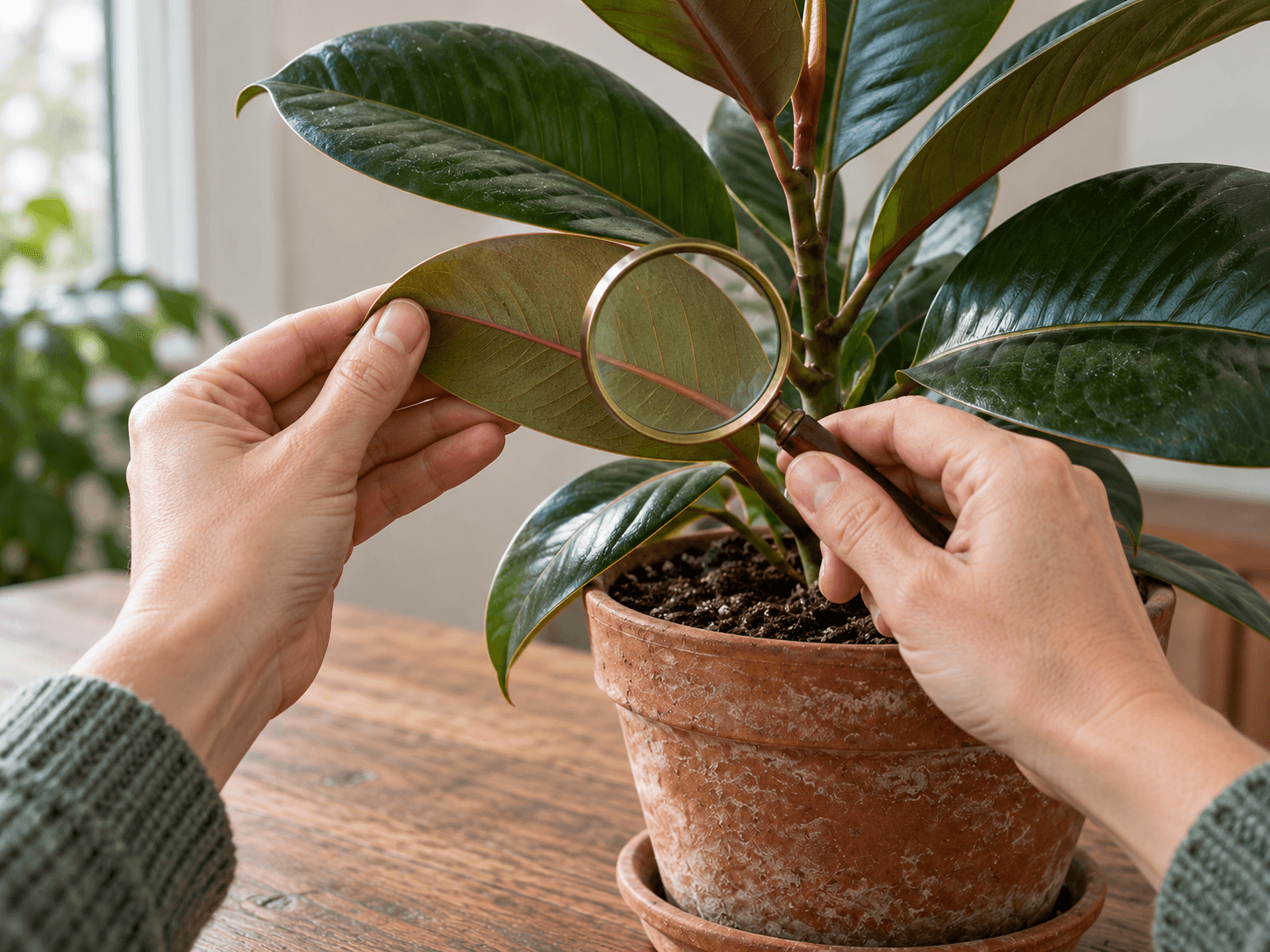
Learn a familiar pot
Try the device in a plant whose watering cycle you already understand. Compare readings after thorough watering and drainage, then as the medium dries. Follow the device instructions for insertion and cleaning. A number becomes useful when you know what it means in that pot, rather than borrowing a threshold from an unrelated plant.
One spot is not the whole pot
A probe may reach a wet pocket while another part of the root ball is dry. Coarse bark, air gaps and compact roots can complicate contact. Check more than one suitable position without repeatedly stabbing the root system. Never force a probe through resistance; remove it and choose another accessible point.
Resolve disagreements
If the meter says dry but the pot is heavy and the medium feels damp, pause. Check the cachepot for trapped water and inspect the device instructions. If it says wet in a very light pot, examine whether contact or the mix is affecting the reading. The disagreement is useful information that something needs checking.
Keep the simpler checks
You still need to know the species' drying preference and whether the roots are healthy. A probe cannot diagnose root rot or tell you that a wilted plant must be thirsty. Use it when it helps you observe a difficult pot, and put it aside when a finger check and lift give a clearer answer.
Find a related guide below.
Back to the beginningSources & notes
Care guidance checked against these horticultural references on 20 October 2026.
- University of Illinois Extension: Watering houseplantsMoisture checks, meter limitations and bottom-watering method.
- University of Maryland Extension: Watering indoor plantsMoisture and pot-weight checks; top and bottom watering.
- University of Maryland Extension: Diagnose indoor plant problemsOverlapping causes of wilt, yellowing, poor growth and root damage.