A reservoir is a different routine
Match the plant, medium and reservoir before expecting a self-watering container to simplify the week.
The short answer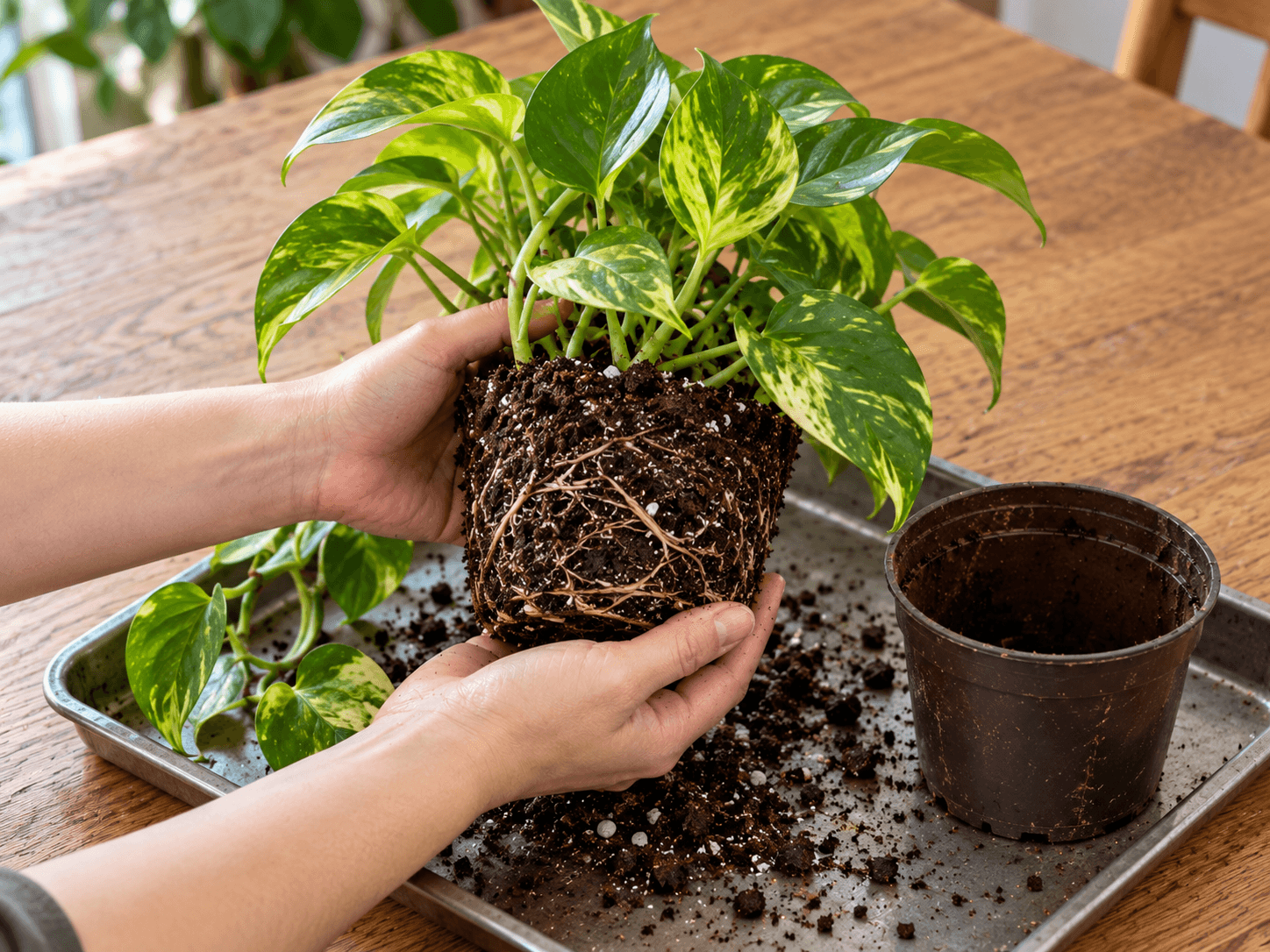
Understand the water route
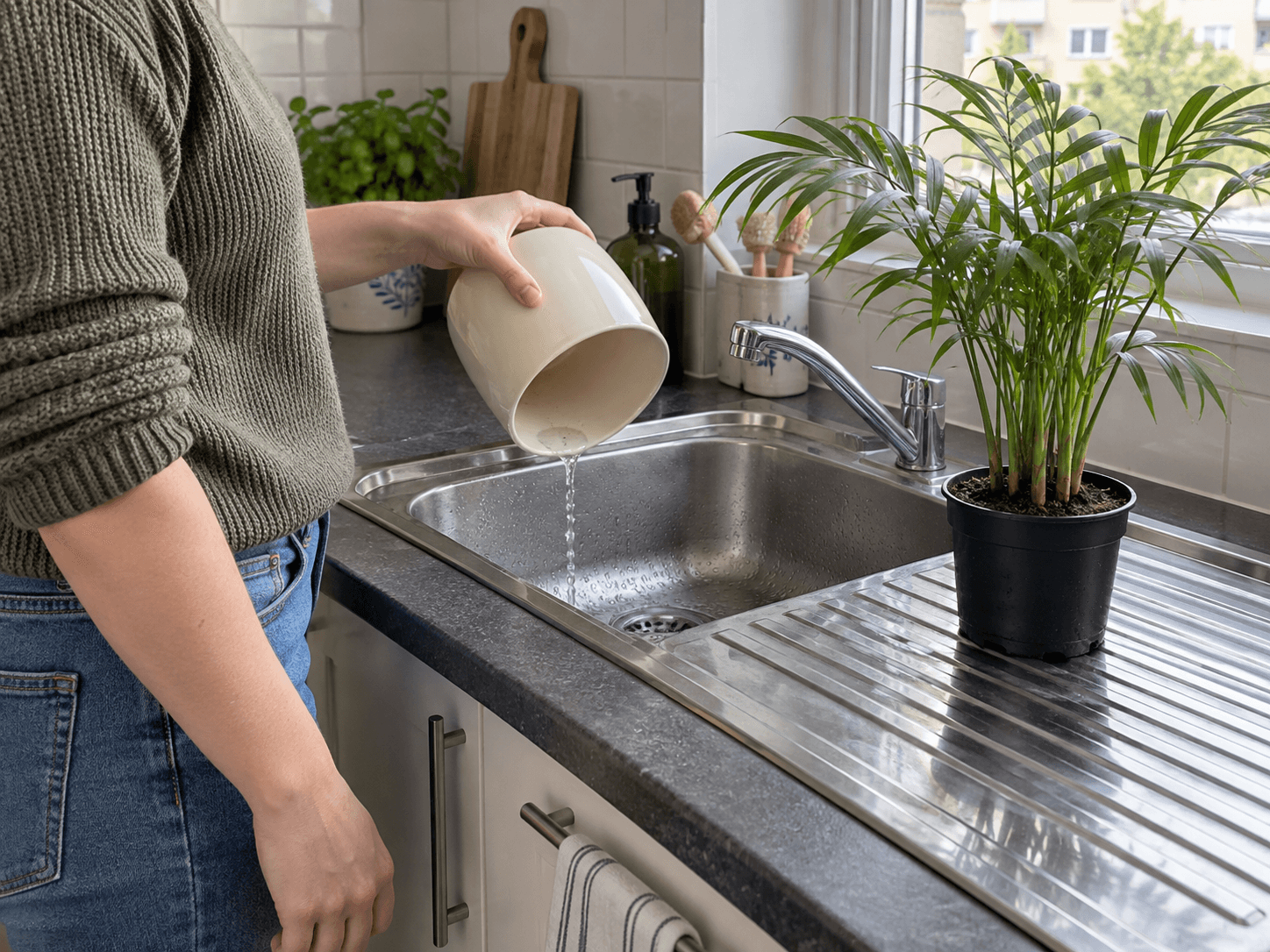
Look for the reservoir, overflow, wick or soil column and fill indicator. These parts work together; a nursery pot sitting in a bowl of water is not automatically an equivalent system. Check which medium the manufacturer recommends. A mix that works well under occasional top watering can behave differently with continuous access to moisture.
Start with the plant
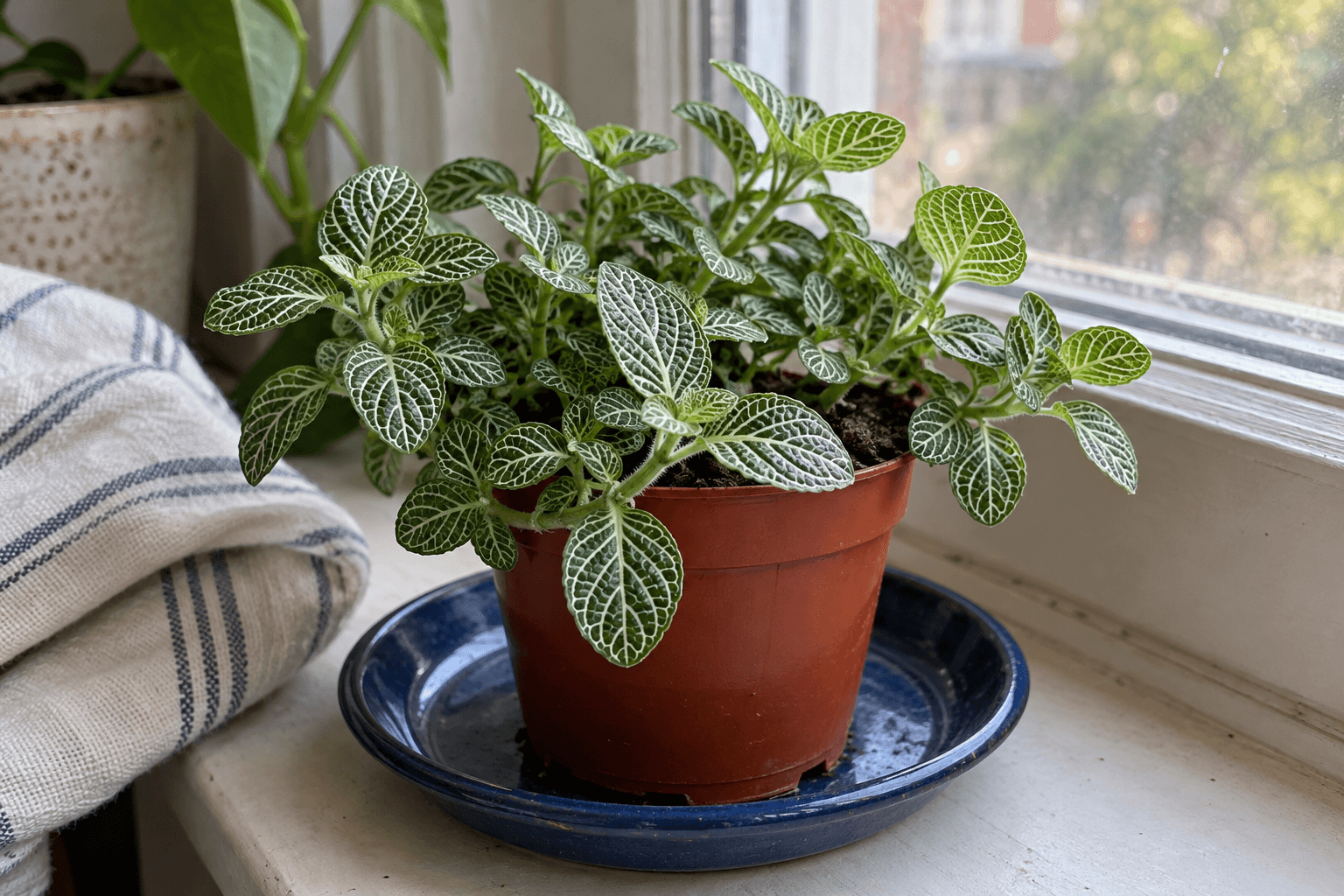
A moisture-loving plant may benefit from a suitable reservoir setup. A jade or ponytail palm that needs substantial dry-down may not. Consider the room's light as well as the species: low water use can leave a system wetter for longer. Do not convert every plant because one container worked well for a different plant.
Try a full cycle at home
Observe how the medium and plant behave while the reservoir fills and empties. Follow the product's refill instructions rather than keeping the level permanently topped up by instinct. Check that the root zone is moist without becoming airless. Keep the old care notes so you can compare what changed after the move.
Make the handover specific
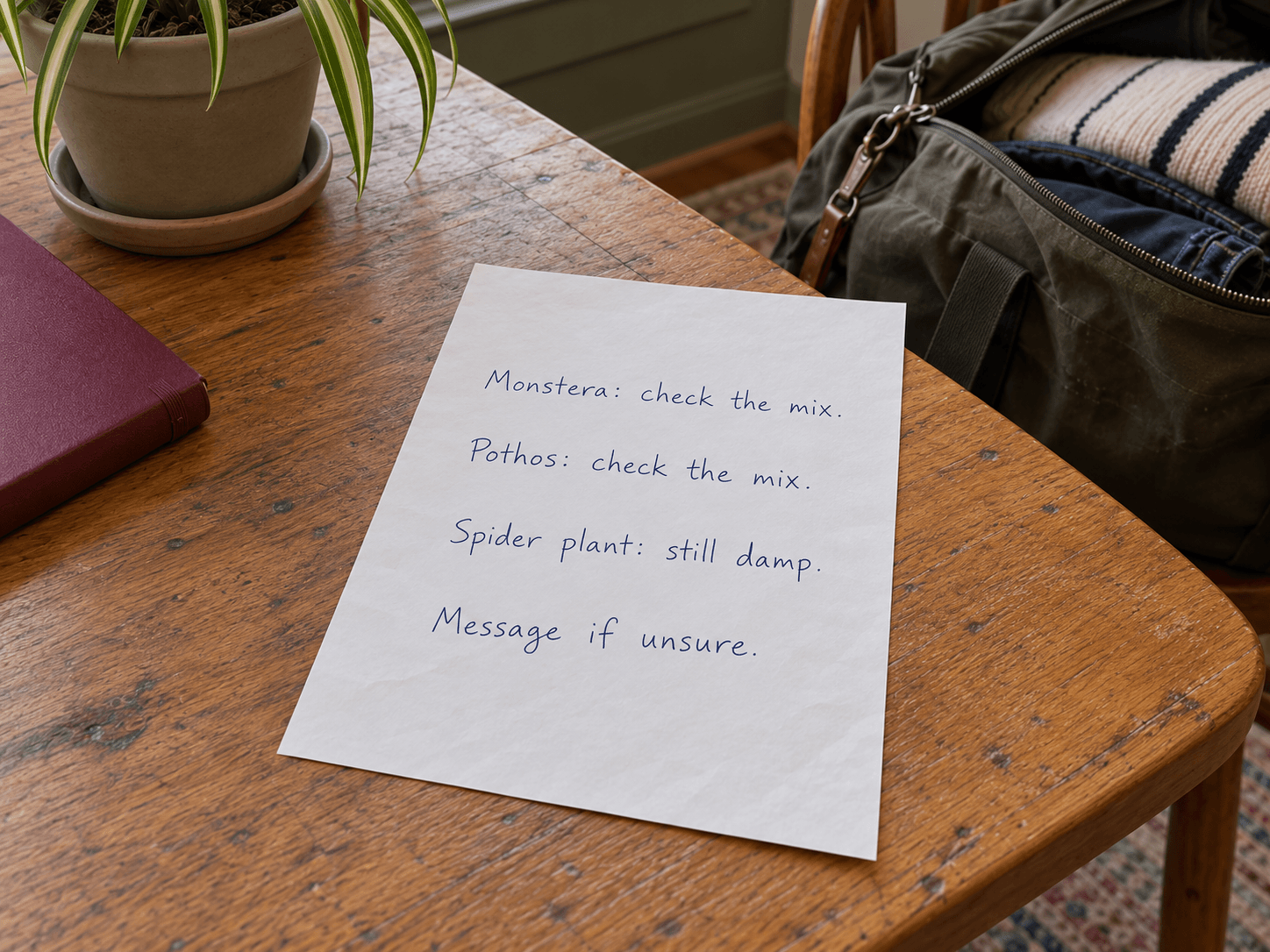
Before travelling, show a sitter how to check the level and when a refill is appropriate. Leave the instructions with the pot. A reservoir reduces some watering tasks but does not inspect for leaks, pests or a blocked overflow. If you have not tested the setup, a familiar pot and a clear care note may be the more reliable arrangement.
Find a related guide below.
Back to the beginningSources & notes
Care guidance checked against these horticultural references on 20 October 2026.
- University of Illinois Extension: Container drainage optionsReservoir containers and drainage design.
- NC State Extension: Plants grown in containersContainer materials, potting media, nutrition and indoor care.
- NC State Extension: Beaucarnea recurvataWater-storing caudex, sunlight, slow growth and dry-down.