Before the next cut
Remove sap and debris, choose a suitable disinfectant and protect the next plant from dirty tools.
The short answer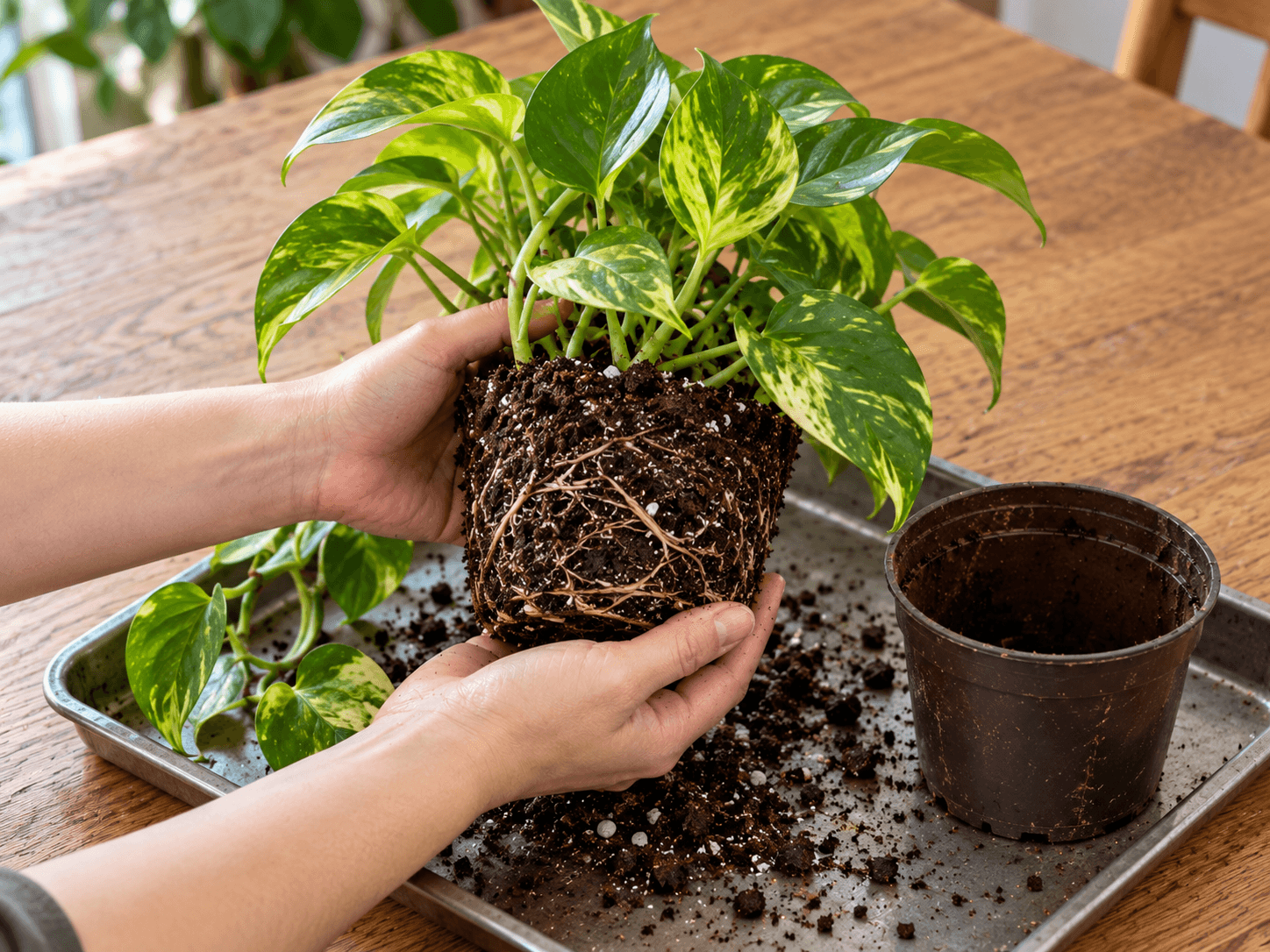
Set up before the plant is on the table
Clear a work surface and gather a cloth, suitable cleaning materials and a container for scraps. Inspect the tool for damage and check that it cuts cleanly. A sharp tool still needs cleaning; a shiny blade can carry contamination even when it looks tidy. Keep children and pets away from the working area.
Remove what you can see
Brush off clinging medium and plant matter, then wash away sap and grime with soap and water where the tool maker permits it. Open hinged blades so hidden areas can be reached safely, then rinse and dry them. Cleaning and disinfection are separate steps: debris can interfere with the treatment that follows. Avoid leaving a dirty tool to soak indefinitely and calling the job complete.
Follow one suitable method
Choose a disinfectant suitable for gardening tools and the material you are treating. Follow the directions for dilution if required, contact time, ventilation and safe handling. Do not mix cleaners or improvise stronger concentrations. Some products can corrode metal or damage finishes, so check care instructions before treating a favourite pair of shears.
For small hand-pruner blades, University of Minnesota Extension lists 70% isopropyl rubbing alcohol as an option after cleaning. Check the concentration on the bottle, use it without further dilution and wipe, dip or spray the blades as the product directs. Allow them to dry before cutting. Alcohol is flammable, so keep it away from flames and heat. This is a tool-cleaning method, not a spray for the plant.
Dry and store deliberately
After the required treatment, finish and dry the tool as directed, then store it safely. Repeat the cleaning process when moving from diseased material to healthy plants. Clear discarded leaves and roots from the table too. Keeping a small cleaning kit beside the potting supplies makes this easier than searching for it after sap is already on the handles.
Find a related guide below.
Back to the beginningSources & notes
Care guidance checked against these horticultural references on 20 October 2026.
- University of Minnesota Extension: Clean tools and containersRemove debris before disinfection; prevent transfer between plants; follow product precautions.
- Oregon State University Extension: Safe plant propagation and salesUse healthy propagation material and clean containers; inspect before sharing.
- Iowa State University Extension: Propagating houseplantsSpecies-appropriate stem cuttings, divisions and plantlets.